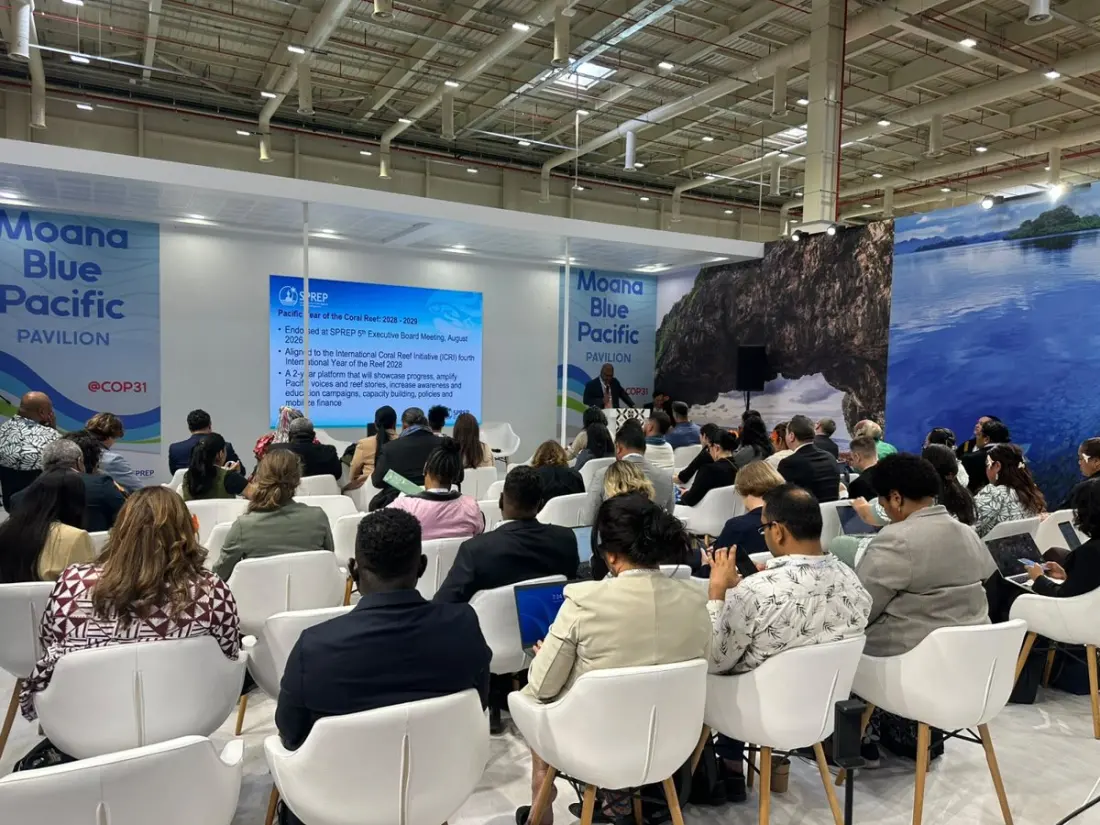
The Pacific islands contribute roughly 0.03 per cent of global greenhouse gas emissions, yet 71 per cent of the region's population — around 1.9 million people — live exposed to at least one major climate hazard. That gap between cause and consequence is the core of An Unequal Tide: Disaster Divide in the Pacific, a new report from Oxfam in the Pacific launched at COP31 in Antalya.
The numbers are stark. An estimated 58 per cent of Pacific islanders face cyclone risk, five times the exposure rate in high-income countries. Natural hazards cost Pacific Small Island Developing States around USD$1.08 billion a year, about five per cent of their combined GDP. And the pressure is accelerating: climate disasters in the region have affected 700 per cent more people over the past decade.
Oxfam's argument is that money decides who survives a disaster intact. Wealthier households can build stronger homes, buy insurance and relocate on their own terms; low-income and remote communities rely on government aid, humanitarian support and thin savings. The report contrasts this with the region's wealthiest counterparts: a person in the richest 0.1 per cent of East Asia and the Pacific emits 176 times more carbon than someone in the poorest half, while more than 55,000 private jet flights left the region in 2025, producing nearly 400,000 tonnes of CO2. Oxfam also identified 217 companies involved in activities contributing to, preparing for or profiting from climate disasters — averaging USD$1.8 billion in 2025 earnings.
The human stories behind the statistics come from three countries. In Tuvalu, droughts now push families to buy water tanks outside the usual dry season, and saltwater is spoiling food gardens; community leader Inge Koepke says migration is becoming a real option for her family — but unlike wealthy households, she has no backup plan. In Fiji, the village of Vunidogoloa relocated to higher ground in 2014 after erosion and saltwater intrusion made life untenable — one of the Pacific's first whole-village climate relocations, which residents describe less as adaptation than as a funeral for ancestral land. And in Kiribati, freshwater wells are turning saline, forcing families to wait on rainfall; climate activist Maximillian worries that moving would sever the next generation from culture and identity entirely.
The report also questions whether climate finance is landing where it counts. In Tuvalu, Oxfam says significant funding flows to international contractors, consultants and imported materials rather than local communities, and it warns that financing reconstruction through loans rather than grants can pile debt onto already constrained governments. Its asks: more grant-based finance from high-emitting countries, investment in community-led adaptation and public services, and curbs on super-rich emissions and corporate profiteering.
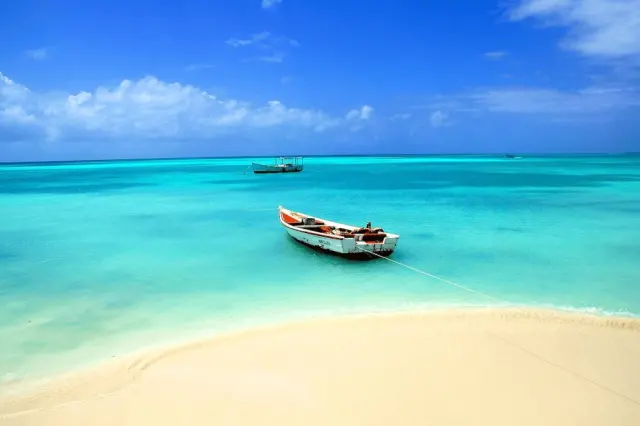
For travellers, this is context worth carrying. The Pacific's most famous destinations — Tuvalu's atolls, Kiribati's lagoons, Fiji's coastal villages — are not postcard backdrops but communities negotiating whether they can stay. Choosing locally owned operators, respecting relocation sites and supporting community tourism are small ways visitors can tip money toward the people actually living with the consequences.
Reported by Islands Business.