Rising seas are swallowing burial grounds in the Pacific, cyclones now return before villages can rebuild, and reefs are bleaching faster than fisheries can adapt. That is the backdrop to a coordinated campaign by Pacific women climate activists, who have drawn up 17 Urgent Demands they are taking to the world at COP31 in Türkiye.
The demands were shaped in Nadi, Fiji, in April 2025, by a broad coalition: grassroots activists, feminists, young people, people with disabilities, faith-based groups, Pacific scientists, funders and elders. Organisers stress they are not a wish list but, in their words, a collective instruction from the Pacific to the world — rooted in generations of Indigenous knowledge about defending land, ocean and the species people depend on.
The campaign gained momentum at Pre-COP31 events in Fiji and Tuvalu, where activists ran a session on 'nationalising the Belém Gender Action Plan' — the global framework on gender and climate agreed under UN talks, running 2026-2034. The idea is simple: a global agreement means nothing unless national governments embed it in their own climate policies, budgets and adaptation plans, with funding that reaches women, young people and frontline communities directly rather than trickling through intermediaries.
The push builds on real political ground. At the 55th Pacific Islands Forum in Palau, Pacific heads of state signed the Pacific Pact on Gender and Climate Action, formally recognising that climate action and gender equality cannot be separated. Activists point out that women, girls and gender-diverse people carry the heaviest burdens of care, displacement and violence in disasters, yet are routinely excluded from decision-making rooms. Their argument is stark: Pacific islanders contributed least to the climate crisis and are paying the highest price for it.
At COP31 in Antalya, the group plans a dedicated side event and a Pacific Day on 17 November, and is calling on governments and funders to implement the Belém plan with budgets and timelines, direct long-term funding to community-led organisations, and treat the 17 demands as a working guide.
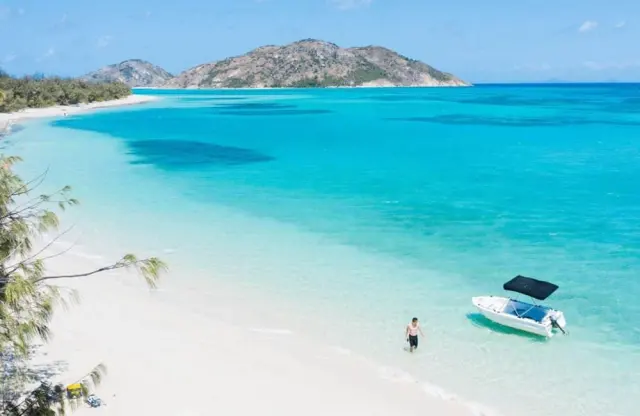
Why should a traveller care? Because the Pacific — Fiji, Tuvalu, Vanuatu, Samoa and their neighbours — is one of the world's most rewarding and most vulnerable regions. The beaches, reefs and villages visitors fall for are precisely what these activists are fighting to protect, and the communities hosting tourism are on the front line of losses they did not cause. Choosing operators that work with local communities, and simply understanding what low-lying island nations face, makes any trip there more meaningful.