Meteorologists across the Pacific are now in rare agreement: an unprecedented El Niño event is taking shape in the ocean, and the message from regional commentators is blunt — save every drop. For a part of the world where fresh water is already a precious commodity on many islands, that warning carries real weight, and it is starting to shape daily life from Fiji to Papua New Guinea and beyond.
El Niño is the periodic warming of sea surface temperatures in the central and eastern Pacific that upsets weather patterns across half the globe. In the Pacific islands, its signature is usually harsh: weakened trade winds, failed rainy seasons, drought on high islands, and in some cases water rationing. The word 'unprecedented' from forecasters is not marketing speak — it signals an event expected to be stronger or more disruptive than recent cycles, with effects likely to build over coming months.
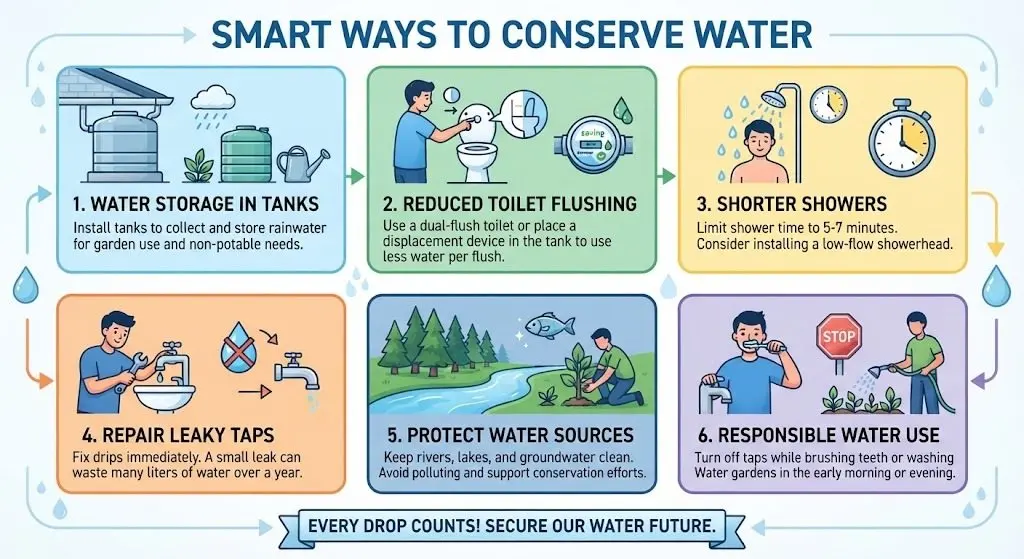
What does that mean in practice? Communities are being urged to store water, fix leaks and cut consumption now, before the dry stretch bites. Crops such as taro and banana, along with coastal fisheries, are typically the first casualties of a strong El Niño, hitting both food supply and local economies. Regional media, including Islands Business, have made conservation the editorial rallying cry of the moment.
For anyone with a Pacific trip on the horizon, this is worth taking seriously rather than panicking about. Resorts and hotels in destinations like Fiji, Samoa, Vanuatu and French Polynesia generally have their own storage and desalination, so holidays rarely collapse over a drought — but short showers, towel reuse and following local water rules genuinely matter when island towns are rationing. Itineraries built around waterfalls, rivers or rainforest trekking may disappoint if the rain simply does not arrive. And El Niño tends to shift cyclone patterns too, so travellers heading to the region in the November-to-April cyclone season should keep an eye on forecasts and book flexible fares.
There is a wider point here for holidaymakers: the Pacific's tourism economies are small, climate-sensitive and closely tied to healthy reefs and reliable rainfall. Travelling with a light touch — less water, less waste, more respect for local constraints — is not just good manners during a drought, it is what keeps these destinations viable for the long run. If your plan includes remote outer islands or community-run guesthouses, ask your host ahead of time how water is managed and what you can do to help.
Bottom line: the Pacific is entering a weather event that could be one for the record books. Pack patience, travel flexible, and treat water like the locals do — as something worth saving.