An experienced thru-hiker with more than 22,000 trail miles behind them has published a full, no-details-spared packing list for an October start on the roughly 800-mile Arizona Trail — and it's a genuinely useful read for anyone considering a long desert hike.
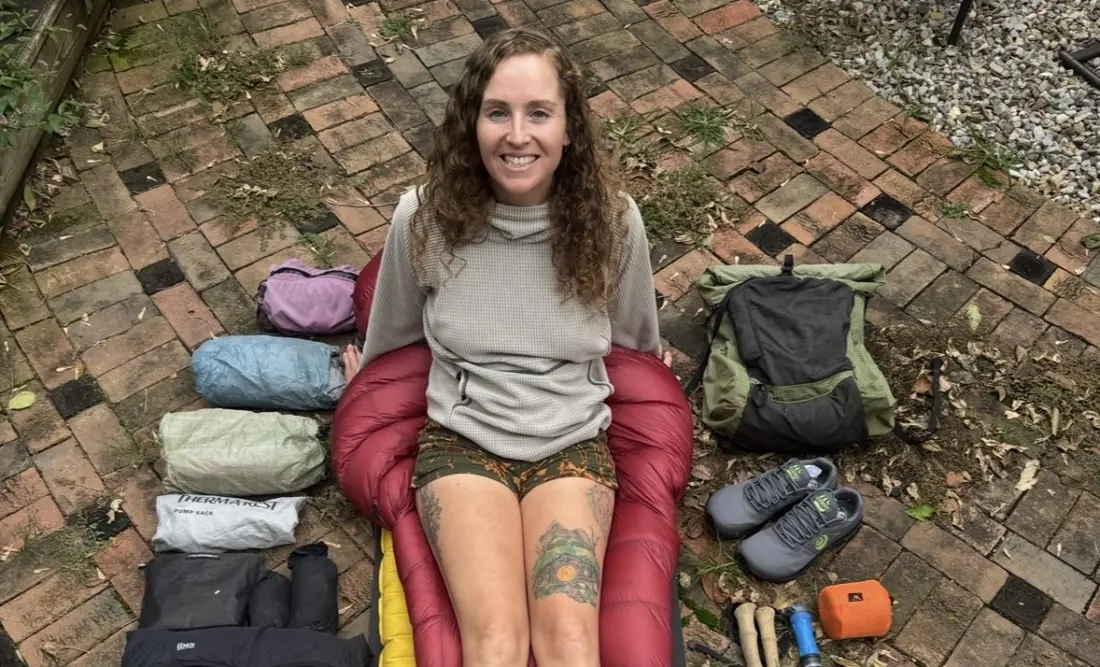
The core kit leans ultralight but battle-tested. The backpack is a Palante Desert Pack in grid stop fabric; shelter is the ZPacks Plex Solo Lite, a one-person trekking-pole tent the author has taken past 10,000 miles before replacing the first one. For sleep, they've swapped a well-worn 30-degree Katabatic Palisade quilt for the warmer 15-degree Sawatch, a nod to the cold snaps and possible snow that can hit Arizona's high country in autumn.
Footwear and clothing stay simple: Topo Terraventure 5 trail shoes, Alpha 90 fleece pants and top from small brand Sambob, a wool-filled Ibex puffy, Montbell wind and rain shells, two pairs of Darn Tough socks, and — a small but telling luxury — a spare pair of shorts after a mid-hike blowout once left them stranded. Base weight lands around 10 pounds.
Where this list gets interesting is the extras most hikers skip mentioning. Electronics are substantial because the author films and edits on trail: three Nitecore power banks totalling roughly 40,000mAh, a Garmin inReach Mini satellite communicator, a Coros watch, GoPro and microphone kit. First aid is deliberately minimal — a bandana, safety pin, patch kit, KT tape — with the inReach as the real emergency backstop, paired with a frank view that trail injuries are either minor scrapes or true emergencies needing rescue.
Desert-specific items matter most for the Arizona Trail: about five litres of water capacity plus backup Platypus bags for the trail's infamously long, unreliable water carries, and a sun umbrella, which the author calls nearly essential for shadeless, scorching stretches. A stove also makes the cut — heavier than cold-soaking, but worth it for hot drinks when desert nights turn cold.
Why care: this is a realistic template for desert thru-hiking, showing how a veteran balances minimalism against the Arizona Trail's particular demands — big water carries, temperature swings, and long resupply gaps. Even day-hikers and section-hikers will pick up practical ideas, from the USB adaptor trick to carrying a second power bank so devices don't fail at once.