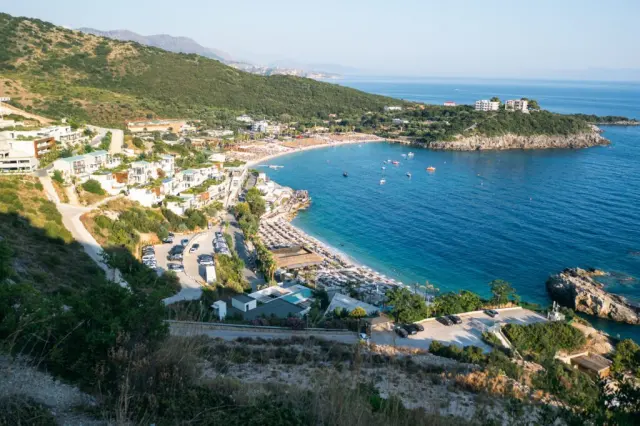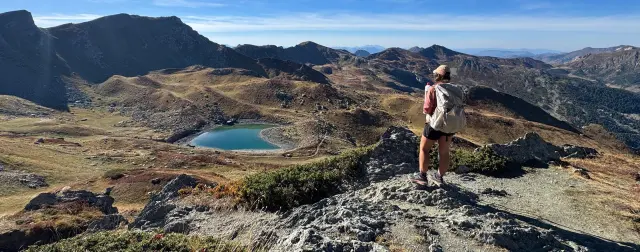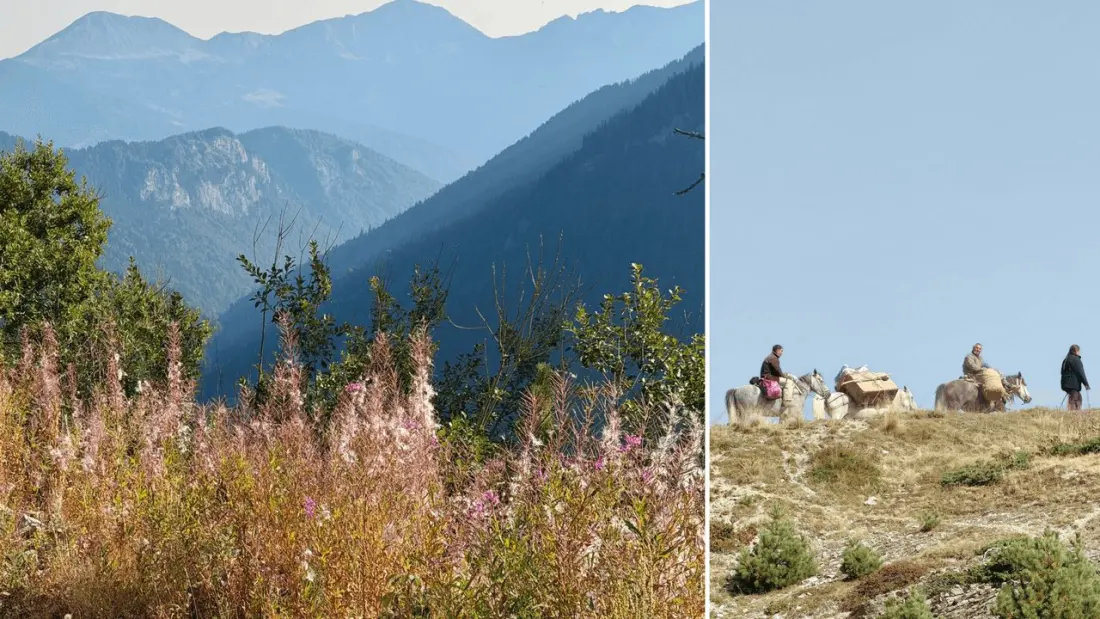
A cowbell alarm at 5,700 feet in the village of Dobërdol, northern Albania, is how one recent account of the Peaks of the Balkans trek begins — and it captures what makes this route different from Europe's better-known walking trails. The 119-mile circular route threads through the Accursed Mountains, crossing repeatedly between Albania, Kosovo and Montenegro on borders so faint you can straddle them without noticing.
The trail was conceived in the early 2010s as a cross-border peace and tourism project, designed to reconnect mountain communities fractured by war and emigration. By that measure it has worked: a late 2025 study in the Journal of Outdoor Recreation and Tourism estimates around 43,000 hikers now walk it annually — roughly double pre-pandemic numbers — bringing more than €25 million (about $27.7 million) into regions where farmhouses and shepherd settlements have become guesthouses.
Growth brings a catch. Popular stops like Dobërdol can feel crowded in the short June-to-September season, while other stretches stay nearly empty. Local operators such as Albania-based Zbulo argue the problem is distribution, not volume, and their itineraries route hikers onto quieter alternatives — a detour to the heart-shaped lake beneath Gjeravica, Kosovo's highest peak, or through Kosovo's Rugova Gorge, whose 2,000-3,000-foot limestone walls see a fraction of the traffic funneled through the famous valleys.
The quieter sections are where the trail's soul shows. In Drelaj, Kosovo, host Blendi Lajqi explains that his family's house — once used as a makeshift hospital for the Kosovo Liberation Army during the 1998-1999 war — sat abandoned for two decades until the trail gave families a reason to return and rebuild. In Valbona, Albania, Skender Selimaj opened Restaurant Rilindja in 2004 and helped carve the first trail passes in 2009; today farmers sell cheese and meat locally at better prices and children grow up speaking English from meeting travellers.
Expect inn-to-inn walking through pine and beech forest, deep valleys, wild blueberries in September, and family guesthouses where dinner is wood-stove pizza and the welcome follows the old highland code of besa — a house belongs to its owner, to God, and to the guest. As one local operator puts it: bread, salt, and heart.
For travellers seeking solitude that the Camino de Santiago can no longer offer, this is the answer — provided you time it well and consider skipping the busiest segments. The trail rewards those who wander off the marked line.