Sauce-aroma baijiu, the smoky, savoury spirit style that comes out of Maotai Town in China's Guizhou province, has long been a drink of formal banquets rather than bar tops. Guizhou Laishigang Liquor, a fifth-generation family distillery certified as a "Guizhou Time-Honored Brand", is trying to change that — and it has chosen Hong Kong as its launch pad.
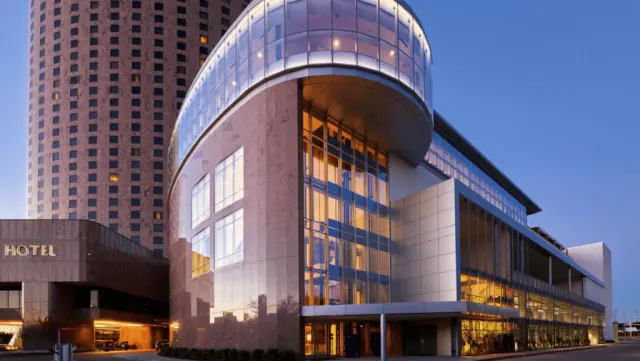
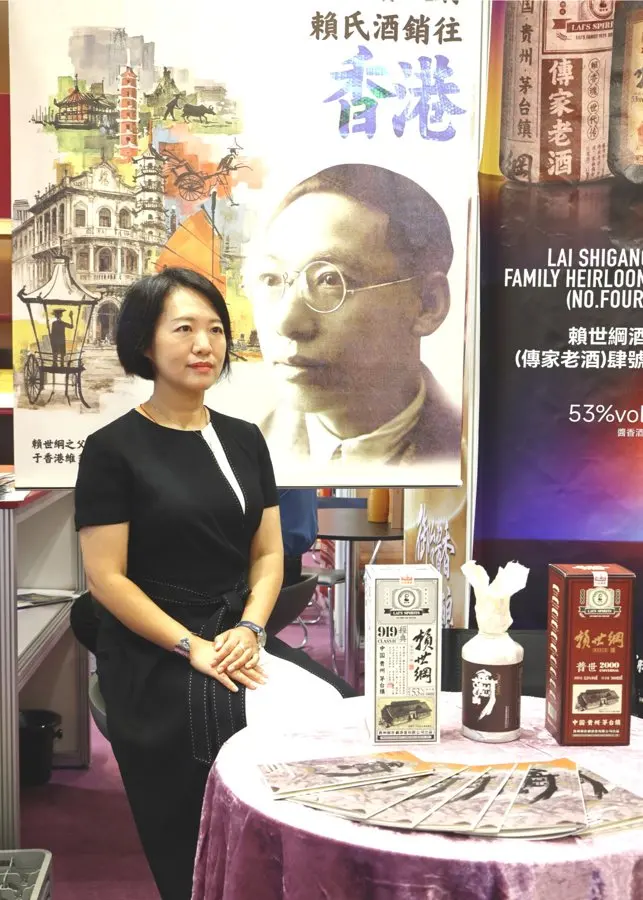
The company set up Lai's Family Spirits International Trading Limited in Hong Kong in 2025, securing an import-export licence and using the city as its Asia-Pacific hub. Its international push got a public showcase at the 2026 Hong Kong Wine & Dine Festival, where alongside its traditional bottlings it poured a Ginger Vinegar Baijiu Cocktail and a Coffee Baijiu Cocktail. The drinks drew interest from younger locals, female consumers and hospitality buyers from Japan, South Korea and France. The brand has also landed a high-end retail placement in the Hong Kong Fine Wine Exchange store at The Peninsula hotel.
Three flagship spirits anchor the expansion, all brewed in Maotai Town at the classic 53% ABV sauce-aroma style. Laishigang Classic 919, a nod to the family's 1998 milestone, has picked up a German iF Design Award (2019), gold at France's FISA competition (2021) and gold at the 2025 Hong Kong International Spirits Scoring Competition. Universal 2000 is the more approachable, food-friendly expression, also medal-decorated in France and Hong Kong. Jingang Spirits, designed to be drunk warm, has proved a hit with Japanese and Korean buyers used to sake and shochu.
The mixology angle is working too. At the 2026 Hong Kong International Wine & Spirits Fair, mixologist Liang Yingjie took the title at the New Chinese-Style Cocktail Awards with a drink built on Classic 919, pairing its sauce aroma with nut, smoke and herbal notes. Chairwoman Zita Lai — the fifth-generation inheritor and a national first-class baijiu taster — was invited to judge the Global Wine & Spirits Media Awards 2026, and a high-end tasting at the Hong Kong World Trade Centre on 6 November drew praise from officials and industry figures.
There's a family story here as well: in the 1930s and 40s, third-generation inheritor Lai Guishan sailed from Wuzhou in Guangxi to Hong Kong with more than 200 bottles of the family's baijiu, which sold out on arrival. Now the brand, having established itself in Hong Kong and Macau, plans to push south into Malaysia, Indonesia, Singapore, Vietnam and Thailand.
Why should a traveller care? If you've ever been curious about baijiu but put off by the fire-water reputation, Hong Kong is becoming the easiest place to try it in a friendlier form — as a cocktail at a festival, a tasting pour, or a bottle picked up at The Peninsula. Keep an eye out for the style on menus across Southeast Asia next.