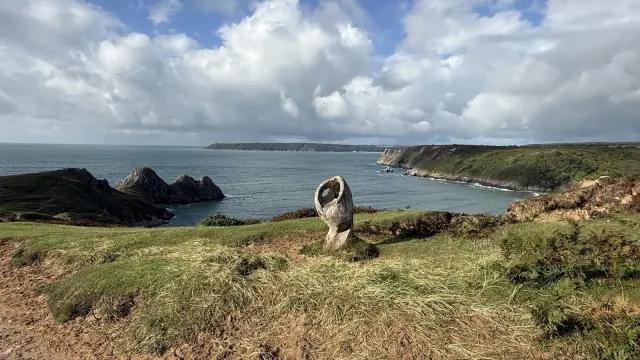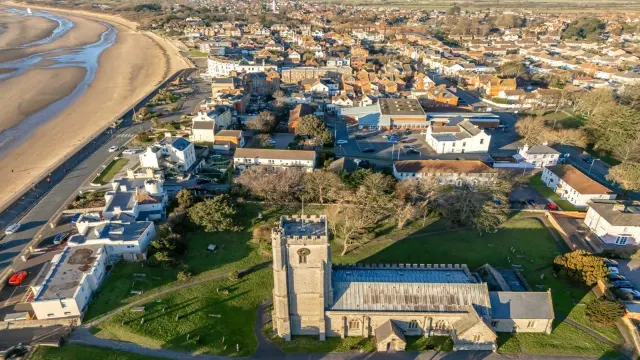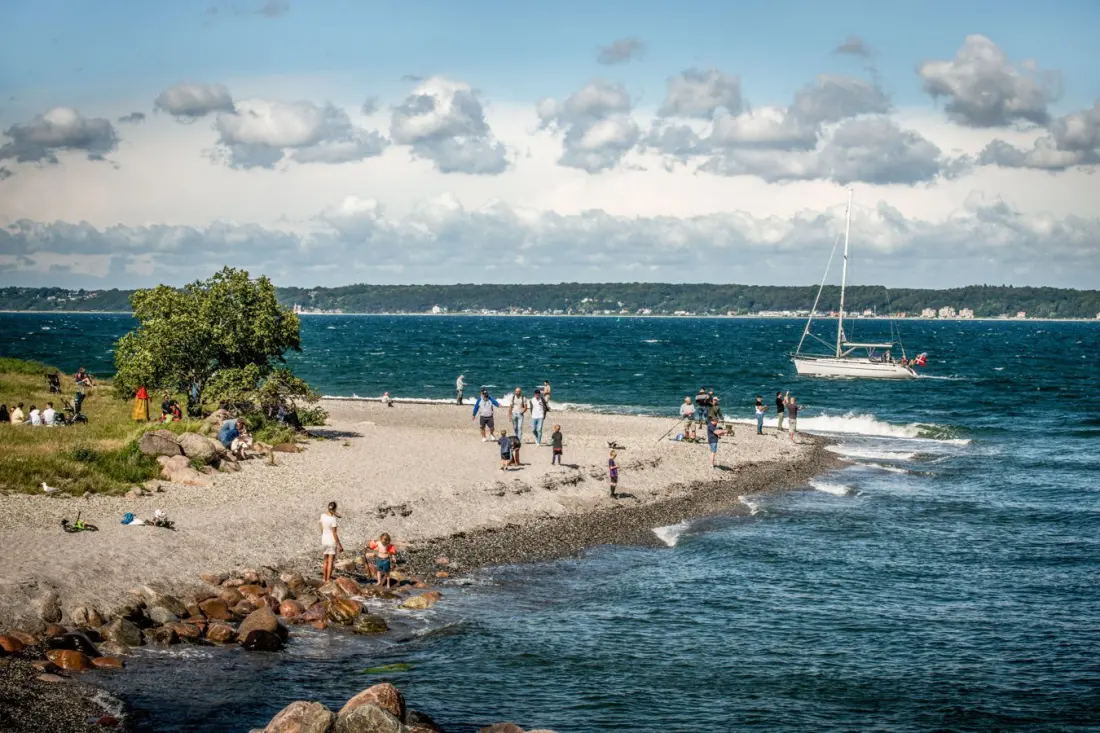
September is the sweet spot on Denmark's North Zealand coast. The summer crowds have gone home, the Kattegat is still warm enough for a bracing swim, and the 66km North Coast Path (Nordkyststien) from Helsingør to Hundested is quiet, flat and made for two wheels. Locals call this stretch the Danish Riviera; it's less Hamptons, more a Scandi take on 1960s Cape Cod — pine forest, beach towns and coastline that hasn't been overbuilt yet.
A sensible plan is to split the ride over a weekend. Day one runs from Copenhagen along the Strandvejen coastal path, and the architecture starts almost immediately. Thirty-five minutes north sits Skovshoved, a 1930s petrol station designed by Arne Jacobsen that now dispenses ice cream (try the liquorice). Jacobsen's fingerprints are all over this coast: the Bellevue Theatre, the Bellavista housing estate and the blue-and-white lifeguard towers at Bellevue Beach. Detour inland to Jægersborg Dyrehave, a royal deer park that houses Bakken, the world's oldest amusement park — its rickety wooden Rutschebanen rollercoaster dates to 1932. Further up, Rungsted has Karen Blixen's preserved home and its 15-hectare bird sanctuary.
The cultural heavyweight is the Louisiana Museum of Modern Art, set in a 19th-century villa with a permanent collection including Hockney and Louise Bourgeois, plus a sculpture park of Henry Moore bronzes sloping down to a bathing deck on the Øresund. Finish day one in Helsingør, home of Kronborg Castle, the Hamlet castle. The Marienlyst Strandhotel — former guests include Tsar Alexander III — makes a good base; dinner options range from Nordic plates at Strejf to the Værftets Madmarked food hall.
Day two is a relaxed 45-minute ride to Hornbæk, a fishing town the Skagen painters loved in the late 1800s. Browse indie boutiques, eat fish cakes at harbourside Maritina, and note that the CORI Hornbæk Hotel opens this September: 77 bedrooms in a 1935 building reimagined by designer Afroditi Krassa, with a longevity spa to follow. A short inland hop brings you to the bunker-like Rudolph Tegner Museum, where around 250 colossal bronze figures stand in heather.
The final stretch is the most atmospheric. Gilleleje's harbour serves pan-fried plaice with remoulade at Adamsens Fiskbar — the town also quietly sheltered more than 1,000 Jews sailing to Sweden in 1943, a story told at the local museum. Then it's past Rågeleje's candy-striped beach huts to Rabarbergaarden, an organic farm doing hyper-seasonal lunches, before Tisvilde: timber cabins, indie bakeries and the twisted pines of Troll Forest. Book the last night at Helenekilde Badehotel, a 19th-century villa on a bluff with sauna-to-sea afternoons and Scandinavian-French cooking.
This one's for slow-travel types who like their beach holidays with castles, modern art and a decent bakery attached — and who'd rather earn their swim with a day in the saddle.