A thru-hike of the Appalachian Trail doesn't end at the gear shop. That's the core lesson from a recent first-person account on The Trek, where a hiker who walked the full 2,200-mile trail from March 9 lays out what survived, what broke, and what got swapped mid-hike — and the takeaway is refreshingly practical: budget for replacements the way you'd budget for a car repair.
Her base weight stayed around 13.5 pounds (without food, fuel or water) from start to finish, but plenty of individual items didn't make it. Shoes lasted roughly 500 miles before needing replacement. A sleeping pad mysteriously deflated after a rainy camp near Pearisburg, Virginia — the leak was never even found — and a trail friend lent a foam pad until she could buy a replacement in Daleville. The replacement? The exact same Therm-a-Rest NeoAir XLite Regular Wide she'd loved for years. Sometimes gear loyalty is earned.
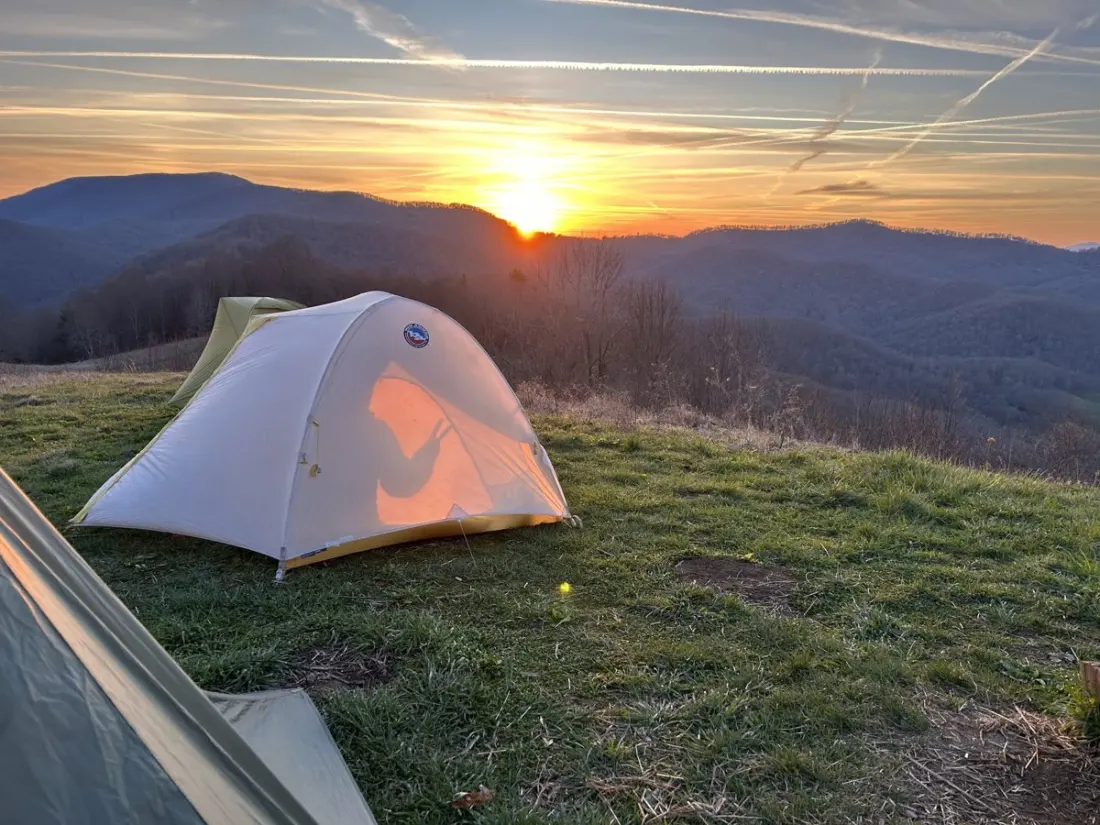
The big three saw the most drama. She started with a freestanding Big Agnes Tiger Wall UL2 tent because a solo attempt at pitching the family's trekking-pole Zpacks Duplex in a Vermont winter didn't inspire confidence — a genuinely useful point for first-time solo hikers. Later, at the annual Trail Days festival, she jumped on a deal for a Dyneema Hyperlite Mountain Gear CrossPeak 1. Her Gossamer Gear Gorilla 50L pack, meanwhile, couldn't handle the early-trail reality of dry camps requiring 4-litre water carries and five to six days of food between resupply stops; the seams split and she moved up to the 60-litre Mariposa, with mixed feelings about the fit ever since.
Sleep systems proved seasonal. She began with a 20-degree Enlightened Equipment Enigma down quilt, ran hot, and swapped to a 40-degree Revelation APEX synthetic by Pearisburg — then layered rain pants over tights on cold nights in New Hampshire's White Mountains. Her Altra Olympus trail runners carried her the whole way (with a mid-hike switch to the Olympus 275 Matryx at a shop in Marion, Virginia), and her featherweight Gossamer Gear LT5 poles survived all 2,200 miles — except one, which floated away down the Delaware River at the Pennsylvania–New Jersey line. Gossamer Gear replaced it free.
Why does this matter if you're not attempting a thru-hike? Because the logic transfers to any long trek: pick gear you've actually practised with, plan a mid-trip gear-shipping strategy, and carry a repair-and-replacement fund. The trail towns along the AT — Daleville, Pearisburg, Marion — double as resupply and gear-up hubs, which is worth knowing even for section hikers.
For anyone eyeing the trail themselves, this account is a realistic preview: expect shoes to die every 500 miles, expect weather and terrain to force sleep-system changes, and expect at least one item to fail in the rain. Credit: The Trek