Day 10 of a northbound John Muir Trail hike is the kind of day that separates the romantic idea of long-distance backpacking from the reality. The plan: leave Rae Lakes, drop roughly 2,000 feet, then climb back up and over Pinchot Pass at 12,200 feet before camping at Lake Marjorie. Total distance: 17 miles, the hiker's longest day yet on the trail, with nearly 3,800 feet of elevation gain along the way.
It started slowly. A 4:40 a.m. wake-up somehow translated into a 7:00 a.m. departure from the crowded Rae Lakes campsite — a reminder that at altitude, everything takes longer than it should. The first few miles were a pleasant descent toward the valley floor, briefly interrupted by a deer watching the hiker attend to a cathole in a meadow, and a useful discovery: a quiet, empty campsite with a bear box less than half a mile past the busy Rae Lakes area, worth flagging for anyone hiking the route southbound.
Then came the moment every backpacker dreads. A trivial two-stone stream crossing, a slight change of direction mid-hop, and a sharp pain shot through the left knee. Quick thinking helped — an immediate dose of ibuprofen rather than waiting for swelling — and by the top of the pass the knee was cooperating, thanks to pills, luck, or both. Meanwhile the trail's wildlife shifted with altitude: lizards, absent above 10,000 feet, reappeared on the descent.
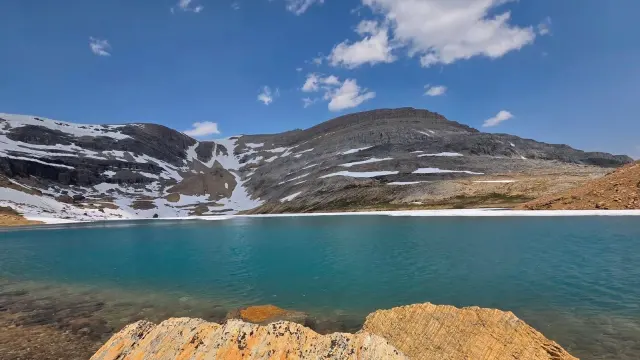
The climb back up was the grind of the day: roughly 3,600 feet of gain spread over eight or nine miles. Not steep, but relentless, with waterfalls providing the main entertainment and a fellow hiker named Amy providing company via the classic leapfrog pattern — fast-and-resting versus steady-and-rolling. Ten hours after setting out, at 5 p.m., they reached the saddle of Pinchot Pass, with its switchback finale and rocks striped with white mineral veining.
Along the way came a sobering encounter: another 69-year-old hiker heading downhill, demoralized and planning to quit at Kearsarge Pass for good. The advice offered — take the exit, rest a full day in the town of Independence, and only then decide — is genuinely good trail wisdom for anyone feeling burned out mid-hike.
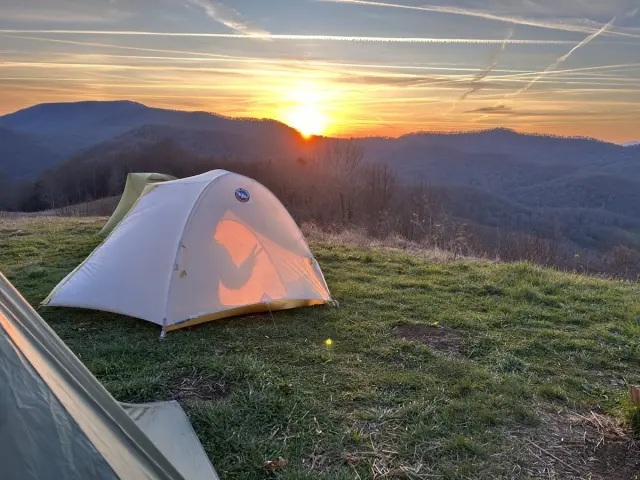
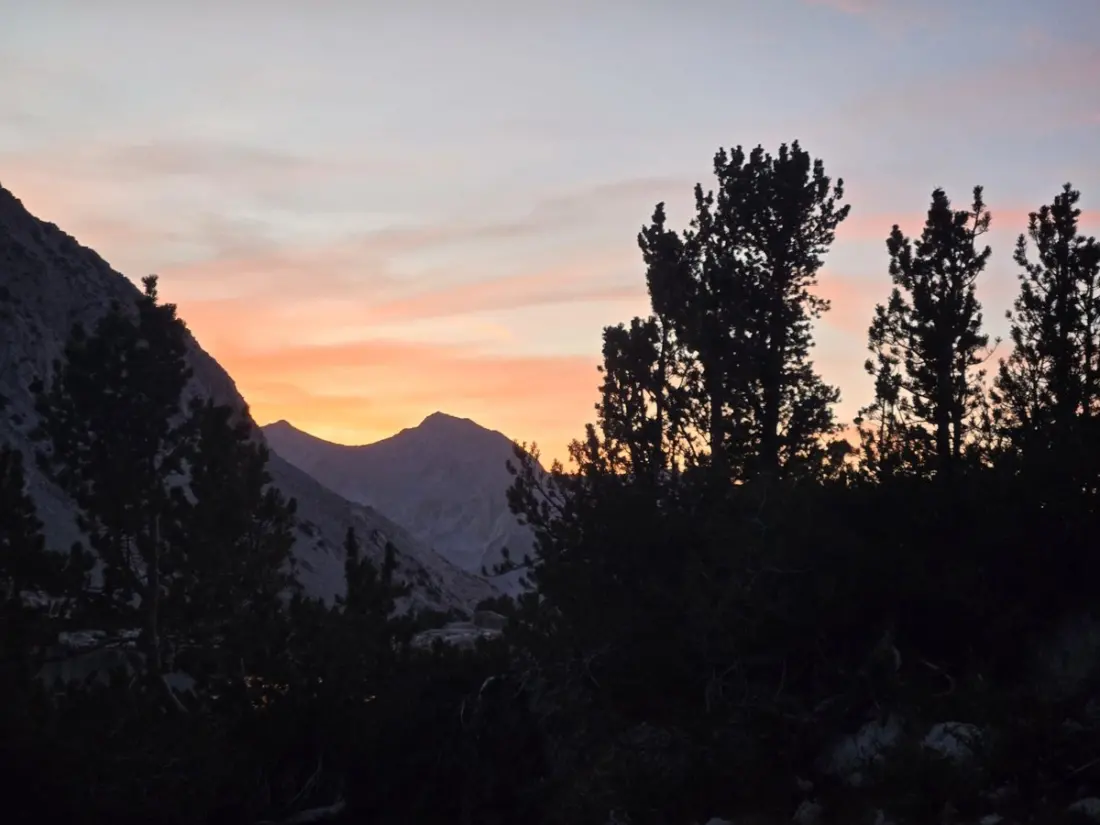
Camp at Lake Marjorie, a mile and a half below the pass, came with sunset views over the lakes, a sandy flat pitch beside a boulder, and a chance to soak tired feet and an icing knee in the frigid water. Dinner was the day's other low point — a freeze-dried meal that needed boiling water but got cold-soaked instead. A lesson worth writing down: not all trail meals work with cold soaking, so note which ones do before you leave.
For anyone considering the John Muir Trail, this day captures its real shape: long, high, physically demanding days punctuated by small kindnesses between strangers — in this case, welcoming a solo Australian hiker named Sally who arrived at dusk. It's a 211-mile route through the Sierra Nevada that rewards steady pacing, early ibuprofen, and a tolerance for bad freeze-dried dinners.