Premium economy is now everywhere: nearly every long-haul carrier sells a middle cabin between economy and business. But the category didn't evolve slowly across the industry — it was invented, deliberately, in 1992, and the airline that did it was Taiwan's EVA Air.
EVA launched its Economy Deluxe Class that year on its Boeing 747 fleet, serving transpacific routes between Taipei and cities like Los Angeles, San Francisco and Vancouver. The thinking was simple but novel: thousands of passengers flying ten-plus hours wanted more than a cramped economy seat but couldn't justify business fares. So instead of just adding legroom, EVA built a genuinely separate cabin — wider seating, more pitch, better meal presentation and distinct service — and priced it as a modest step up from economy.
There's a debate about who got there first. In the same year, Virgin Atlantic introduced its 'Mid Class' on transatlantic routes, aimed at business travellers stuck flying on a budget, complete with priority-style ground perks. Virgin rebranded it as Premium Economy within two years, effectively giving the category its modern name. But EVA is generally credited with running the first true dedicated premium economy cabin on scheduled services, while Virgin popularised the idea to a global audience.
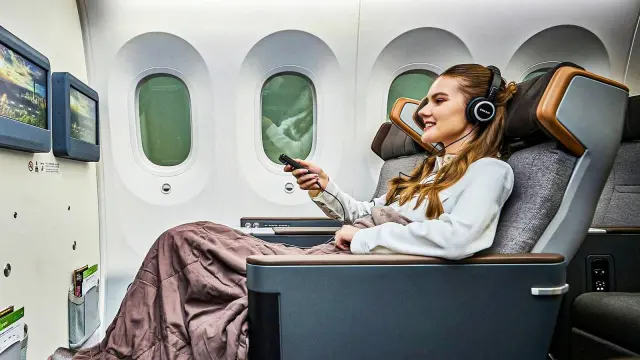
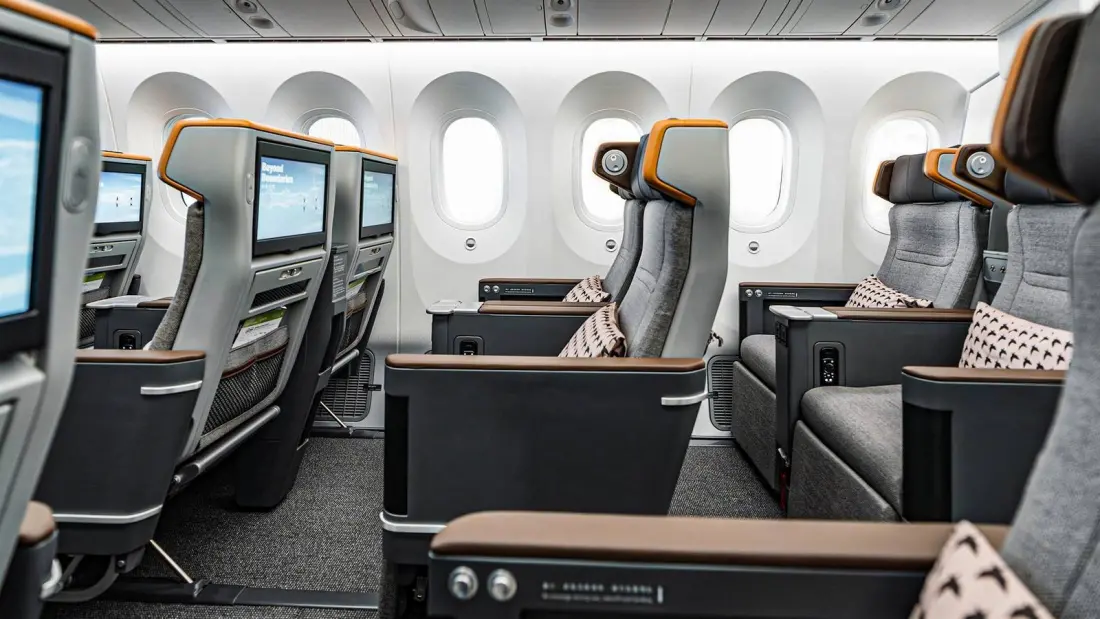
The concept has come full circle at EVA. Last year the airline rolled out its newest premium economy cabin on Boeing 787 Dreamliners, and the specs show how far the product has come: roughly 42 inches of seat pitch, a deep recline with an adjustable footrest for sleeping, privacy dividers between seats, extra storage, and a 15.6-inch HD screen — larger than many business class monitors.
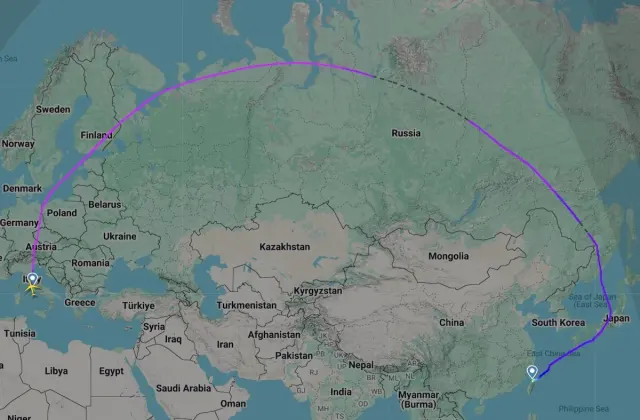
Why should a traveller care? Because premium economy has quietly become the smartest value play in long-haul flying. It took off especially after the pandemic, when corporate budgets shrank and leisure travellers paying their own way wanted a taste of comfort without business class prices. Airlines now design whole aircraft cabins around it. And if you want to fly the original, EVA still operates it — with three decades of refinement behind it — from its Taipei hub across the Pacific and to Europe.