Viet Nam Culture Day falls on November 24, and Phú Thọ province — the so-called Ancestral Land in the country's north — has gone all-in this year. Rather than a single ceremony, the province rolled out a weeks-long programme spanning three areas: Việt Trì, Vĩnh Phúc and Hòa Bình, tied in with the National Great Unity Festival and the Culture and National Great Unity Week 2026.
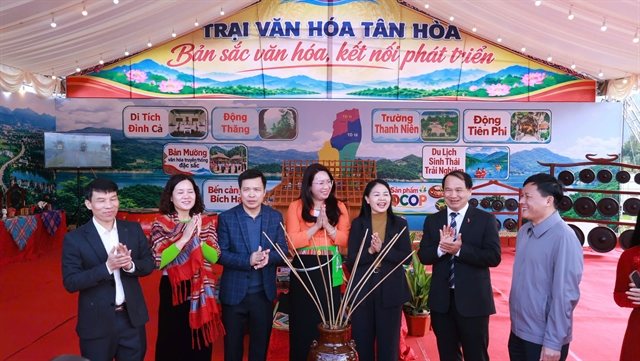
The anchor events opened on November 22 with a cultural camp and an exhibition of handicrafts plus One Commune One Product (OCOP) goods, running simultaneously across all three localities. Expect folk singing and dancing, traditional instruments, áo dài displays, folk games and food stalls — plus trade fairs in Vĩnh Phúc where rural producers and artisans sell specialities like local honey and connect with buyers.
At the Phú Thọ Provincial Library, an exhibition called The Culture of the Ancestral Land – Identity and Values ran November 22-24, mixing books, archives and artefacts with hands-on heritage: rice pounding (đâm đuống), Mường gong performances and xoan folk singing — a centuries-old ritual tradition from the region.
Photography fans got their own draw: the Beautiful Photos of Phú Thọ Tourism 2026 exhibition (November 21-24), themed around the province's landscapes, festivals and daily life, with a dedicated section for works by Nguyễn Khắc Hào, including pieces that took Gold Medals at the 2026 Vietnam Artistic Photography Festival.
The festive mood spread well beyond exhibition halls. The Hùng Kings Temple complex — a special national relic site — hosted street music, heritage experiences and performances, while sport filled out the calendar: a traditional martial arts championship for the Hùng Vương Cup and a men's football tournament.
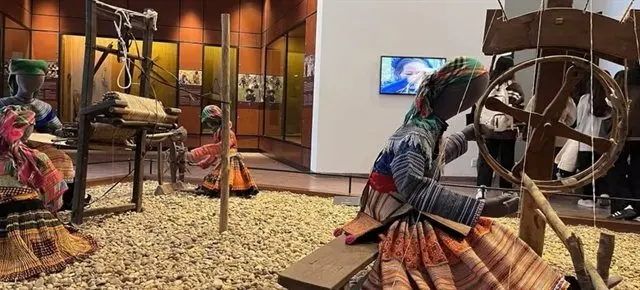
Further afield, the first Long Cốc Trail running race kicked off the Long Cốc Culture and Tourism Week 2026, taking runners through tea-growing hills. In Tân Lạc, workshops teach the traditional patterns painted on Mường women's skirt waistbands, and the Thung Nai Culture and Tourism Festival and a new community-based tourism model in Mường Bi tie heritage preservation to local livelihoods.
For travellers, this is a useful signal: Phú Thọ is actively building experiences that go beyond the Hùng Kings Temple pilgrimage. The province sits close to Hanoi, and its mix of Mường ethnic culture, xoan singing, tea country in Long Cốc and lake scenery around Thung Nai makes it a solid two- or three-day add-on for anyone wanting northern Viet Nam beyond Hanoi and Ninh Bình. Events like these are also a good reminder that visiting during festival season — late November here, and around the Hùng Kings' Festival in spring — is when the province shows its fullest face. Source: Vietnam News Life