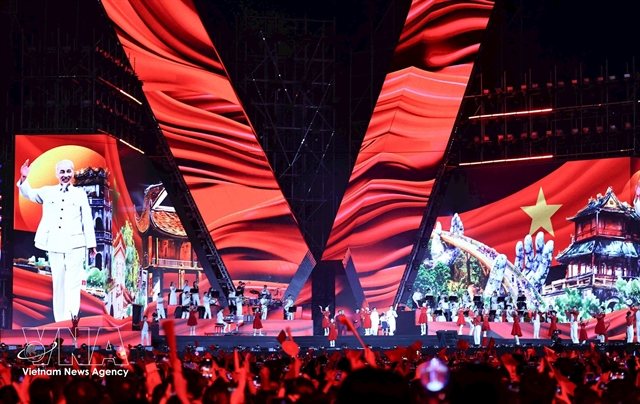
On November 24, 2026, Việt Nam is marking a first: a public holiday dedicated to culture itself, not a battle anniversary or the Lunar New Year. Workers get a fully paid day off, and the country is using it to throw open museums, theatres and heritage sites to everyone.
The date is deliberate. On November 24, 1946, over 200 artists and intellectuals gathered at the Hanoi Opera House for the first National Culture Conference, chaired by Hồ Chí Minh, who declared that culture must light the way for the nation. Eight decades later, the Politburo formalised the connection: Resolution 80-NQ/TW, signed in January 2026 by General Secretary Tô Lâm, fixed November 24 as Việt Nam Culture Day. The National Assembly followed up with its own resolution, effective from July 1, cutting through the usual legislative lag so the holiday could land in 2026.
The practical details matter as much as the symbolism. Public cultural and sports facilities offer free or reduced admission on the day, and the state has committed to spending at least 2 per cent of its total budget on culture. Deputy Prime Minister Phạm Thị Thanh Trà has pushed organisers to move celebrations out of formal halls and into pedestrian streets, parks, museums and village community centres, with extended opening hours across libraries, cinemas and heritage sites.
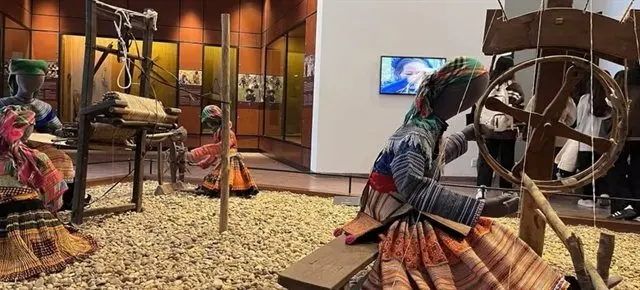
The first round of festivities shows how varied the offer is. Hanoi ran a four-day culture programme around Hoàn Kiếm Lake's walking streets. Huế hosted a week of events, and Quảng Trị province staged an opening ceremony at Phong Nha-Kẻ Bàng National Park, pairing culture with heritage tourism. Thanh Hóa waived entry fees at the Hồ Dynasty Citadel and Lam Kinh relic site on November 23–24. HCM City leaned on book fairs, while Quảng Ninh took activities into remote and ethnic minority communities, plus hands-on programmes at heritage sites and craft villages.
For travellers, this is a genuinely good day to be in the country. Entry charges drop or vanish at some of Việt Nam's most significant sites, cities run street-level festivals rather than ticketed indoor events, and officials have explicitly asked that access extend to workers, rural communities and people with disabilities. If your trip can flex, timing a visit for late November means catching the country at its most open and festive — with the added bonus of cooler autumn weather in the north. Policymakers say the ambition is for November 24 to grow into a national cultural brand, so expect the programme to get bigger each year.