El Hierro, the smallest and quietest of the Canary Islands, has suddenly become the centre of Spain's biggest migration squeeze in two years. Spain's government has called an urgent meeting of its Interministerial Immigration Commission for Tuesday 10 November at Moncloa in Madrid, after 4,587 people reached the Canary Islands in just the first six days of November. Canary Islands President Fernando Clavijo and El Hierro's council president Alpidio Armas will join the talks, chaired by Territorial Policy Minister Ángel Víctor Torres.
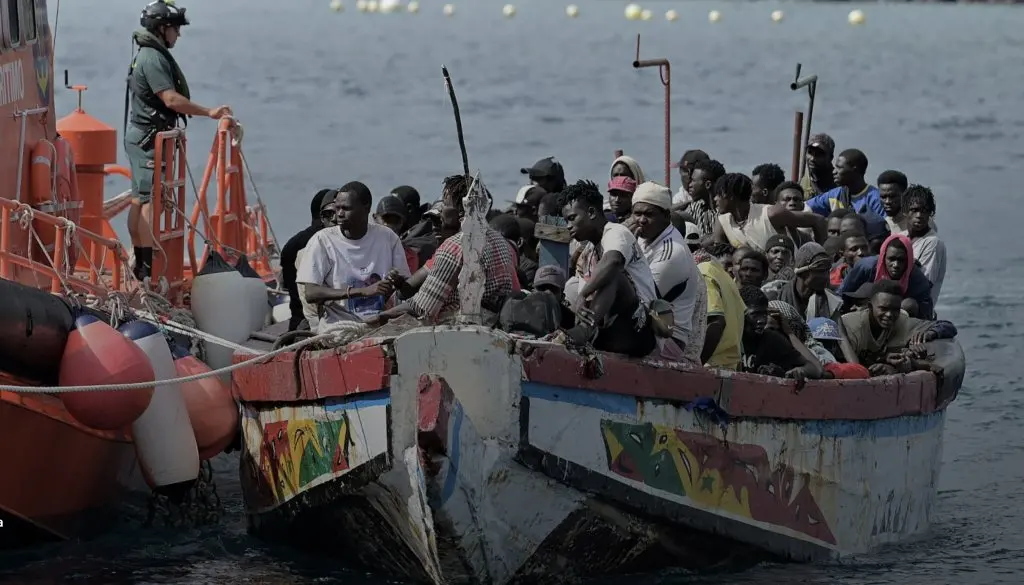
The numbers behind the meeting are stark. The regional government counted 49 boats landing across the archipelago between 1 and 6 November, with 35 of them arriving at El Hierro alone — an island of roughly 11,400 residents that received just two boats over the same window in 2025. On Friday, Spain's Maritime Rescue Service brought 854 people ashore at La Restinga in a single day, from vessels carrying anywhere between 134 and 235 passengers. One rescue operation involving two boats recovered a body.
To free up space, authorities have been moving arrivals onward by ferry — 350 people per crossing to Tenerife — while Red Cross teams, police and emergency crews handle reception at a temporary centre in San Andrés. Nine people remain in the island's Nuestra Señora de los Reyes Hospital.
Clavijo has described conditions on El Hierro as 'absolutely unsustainable' and has asked for meetings with European Commission President Ursula von der Leyen and EU migration commissioner Magnus Brunner, arguing the islands cannot manage alone. He is pushing Madrid for a contingency plan with concrete deadlines: more National Police and Guardia Civil officers, extra healthcare capacity, and better coordination of inter-island transfers.
There is seasonal context too. Crossings from West Africa typically rise in autumn as the Atlantic calms, and October had already seen 6,164 people rescued on the route. Even so, the 2026 total for the first ten months remains about 61% below the record year of 2024 — it is the recent daily pace, concentrated on one small island, that has alarmed officials.
For travellers: El Hierro is normally a hiker's and diver's haven, far quieter than Tenerife or Gran Canaria. Right now, ferry schedules between islands may be busier than usual as transfers use regular sailings, and the La Restinga area — normally a laid-back diving hub — is at the centre of the response. If you're heading to El Hierro in the coming weeks, check ferry timetables with Naviera Armas or Fred Olsen before booking, expect a heightened official presence around the port, and pack patience rather than cancelling: the island's trails, viewpoints and marine reserves remain open and still very much worth the trip. Anyone visiting in the calm October-to-December window should simply stay informed, as the situation evolves week to week.