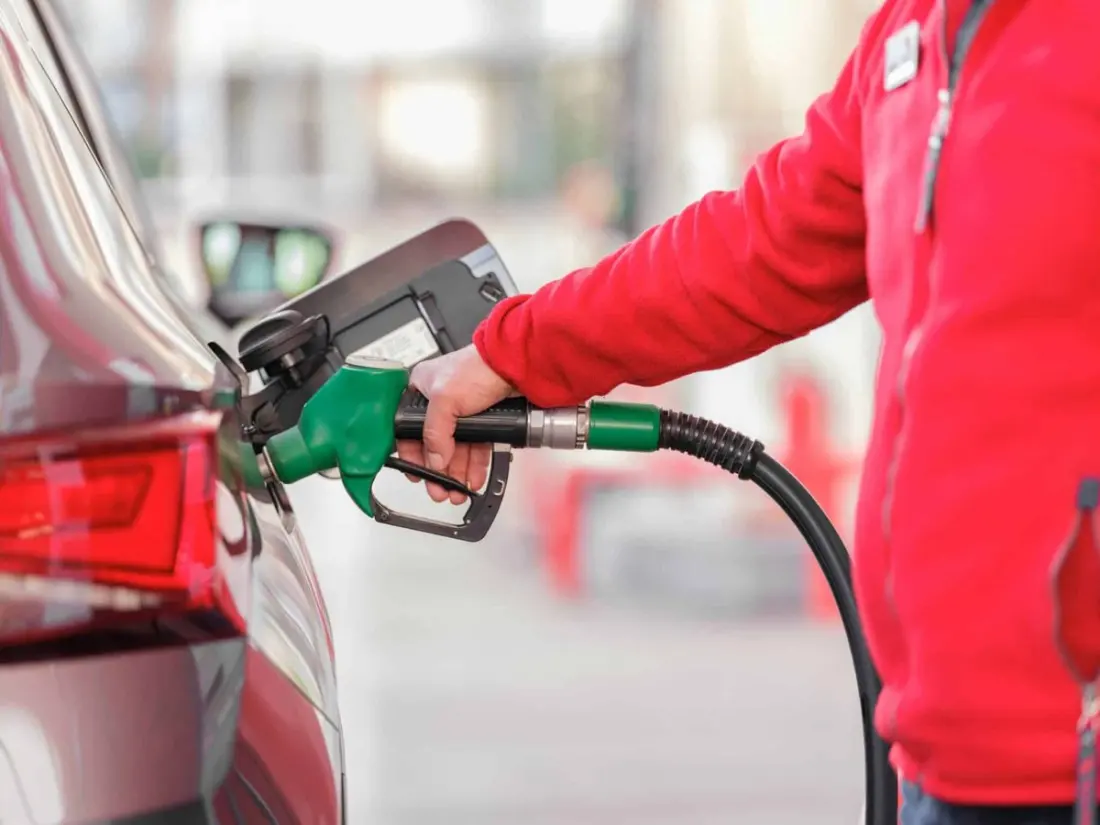
Portugal's government has a blunt message for anyone filling up a tank: use less. Economy Minister Manuel Castro Almeida told journalists in Brussels, on the sidelines of an EU economy ministers' meeting, that trimming demand is the only lever ordinary people have while prices surge on the back of Middle East supply disruption. His comments came just days after Environment and Energy Minister Maria da Graça Carvalho made the same appeal, citing official figures showing diesel, petrol and jet fuel consumption up 4-6% year on year. More recent data hints consumption may have started easing in August and early September as prices bit.
The ministers are careful not to lecture those without options. Castro Almeida conceded that commuters and businesses dependent on their vehicles can do little — "if there is no alternative, there is no alternative" — but he asked households and companies with flexibility to skip unnecessary trips. Carvalho has pushed the same line, encouraging people to take public transport and reserve car use for essentials.
Two reassurances matter for anyone travelling in or to Portugal. First, there is no fuel shortage: the country holds liquid fuel reserves equal to about 92 days of consumption, above the recommended 90-day threshold. Second, the government is resisting pressure for broad tax relief — Finance Minister Joaquim Miranda Sarmento has warned that cutting VAT on fuel and food would tip Portugal back into deficit. Instead, Prime Minister Luís Montenegro last week announced €38 million in targeted support for transport operators, taxi drivers, firefighters and social institutions, plus an extension of professional diesel assistance until the end of the year. Delivery of that money has hit some snags, though Castro Almeida insists the funds are approved.
Parliament debated opposition proposals this week, including fuel VAT cuts, but the government's stance is clear: no blanket tax relief, and voluntary thrift instead.
For travellers, the practical upshot is modest but real. Petrol and diesel in Portugal will cost more than you might have budgeted, so if you're renting a car, factor that into your costs — and consider how often you actually need it. Portugal's rail and long-distance bus networks connect the major cities and most tourist regions affordably, and Lisbon and Porto both have metro systems that make car-free city breaks easy. Fill-ups in Spain just over the border can sometimes be cheaper for those touring Iberia by road.
Anyone planning a driving holiday in Portugal this autumn should expect elevated fuel prices at the pumps, no supply problems, and a government leaning on persuasion rather than rationing. Pack your itinerary with a few train rides and your wallet will thank you.
Story first reported by Portugal Resident.