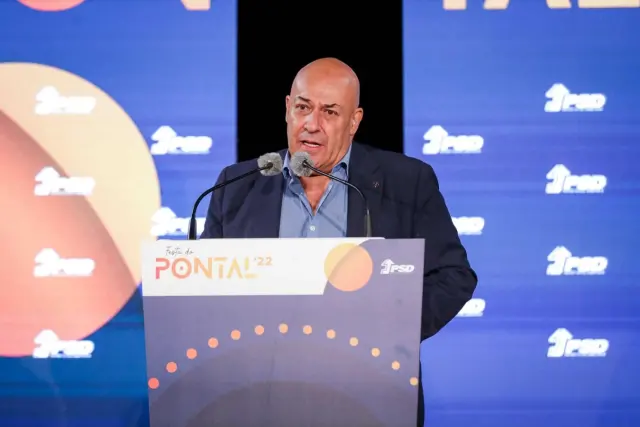
Petrol in Portugal has pushed past €2 a litre, and the fallout is being felt well beyond the pump. Prime Minister Luís Montenegro used a speech in São João da Madeira, in the Aveiro district, to call for an end to the international "senselessness" driving oil prices up, arguing that no one benefits from a standoff that is raising costs for households, businesses and governments alike.
The numbers explain the mood. As of mid-October, diesel was expected to hit around €2.15 a litre with standard unleaded at €2.126, meaning a 50-litre tank now costs roughly €107. The government has extended a temporary cut to fuel duty (the ISP tax) until the end of the year to blunt the impact, but annual inflation still reached 3.6% in September, and higher transport costs feed quickly into groceries and services.
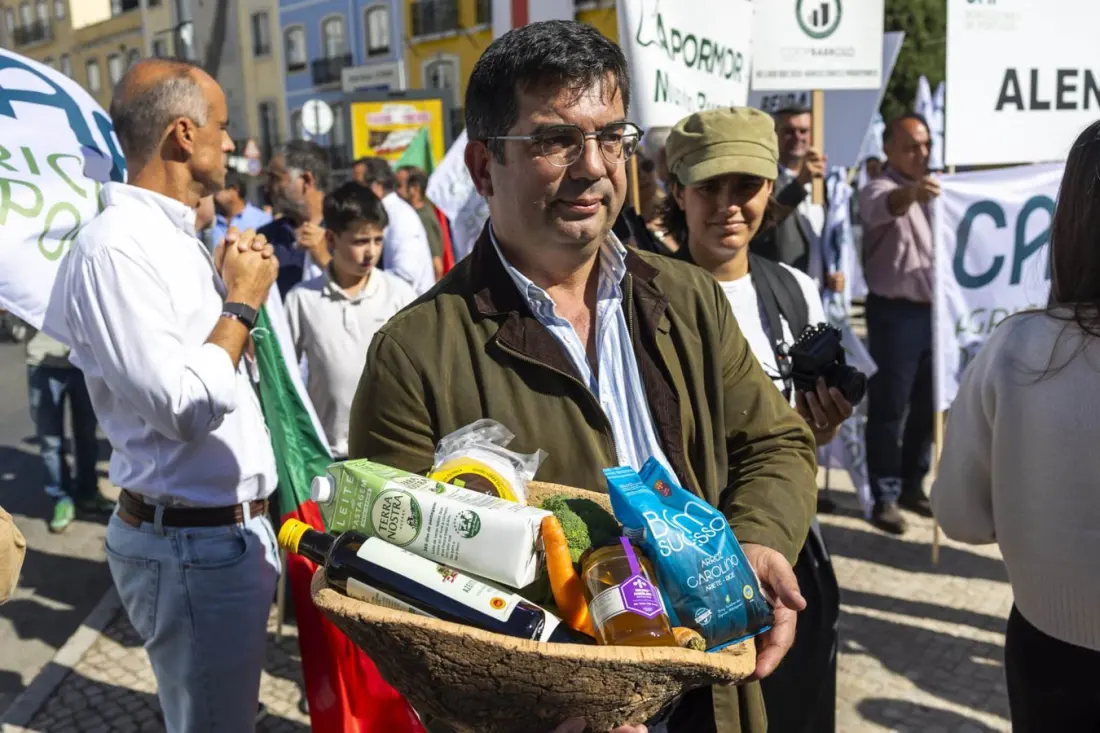
Public frustration spilled into the streets the day before the prime minister's speech. Thousands joined demonstrations under the banner "Não Dá Mais Para Viver Assim" — "We Can't Go On Living Like This" — with a large march through Lisbon from Largo do Intendente, around 1,500 people out in Porto, and smaller gatherings in Aveiro and Braga. Organisers, a coalition of unions and housing groups, want price controls on essentials and fuel, caps on rent increases, and windfall taxes on banking, energy and retail. One political flashpoint: a government definition of "moderate rent" that can stretch to €2,300 a month — far beyond what most Portuguese wages can carry.
Farmers made their own trip to Lisbon the following Monday, with around 150 association leaders demanding an extra €140 million in support. The Confederation of Portuguese Farmers points out that Spain subsidises agricultural diesel at 20 cents a litre versus Portugal's 10, putting its producers at a disadvantage. Even the military is squeezed: Navy and Air Force fuel contracts have swollen by more than €3 million, and marine diesel prices have doubled since the start of 2026, prompting the Ministry of Defence to trim routine travel and operations.
For travellers, the practical takeaway is simple: if you're road-tripping through Portugal this winter, budget realistically for fuel — a week of driving the Algarve-to-Porto route could easily mean two €100+ fill-ups. City-centre demonstrations have been peaceful but can snarl traffic and public transport, so it's worth checking local news on protest days. Car hire remains a great way to reach the country's smaller towns, where rail and bus coverage is thin — just factor the current pump prices into your plans. Montenegro is betting that a fourth consecutive budget surplus and falling public debt will help Portugal weather the shock; whether that resilience trickles down to everyday prices is the question his critics — and the crowds — want answered.
Portugal Resident