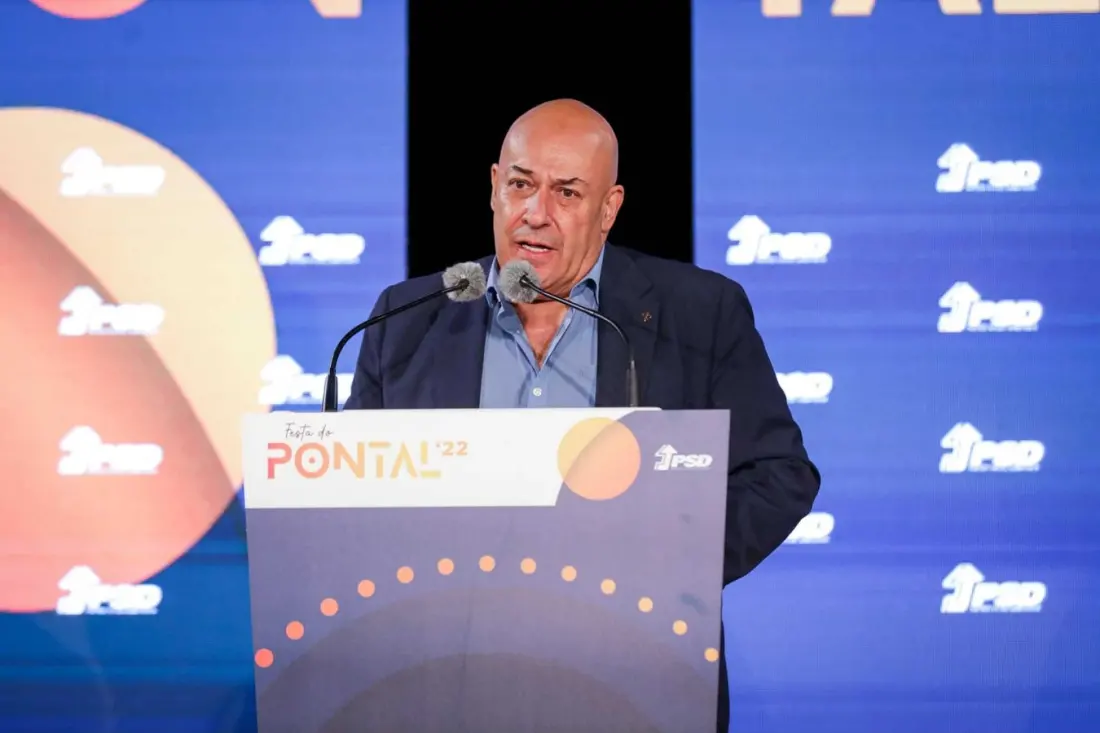
A political row in Portugal has put the Algarve's problem-plagued main road back in the headlines, and it matters if you're driving to the eastern side of the region. The PSD's Algarve branch has formally pressed its own party's national government to break an eight-year legal deadlock that has stalled upgrades to the EN125 between Olhão and Vila Real de Santo António.
At a district assembly in Faro on October 12, the party approved a motion calling the situation "unsustainable". The gripe is easy to summarise: the western Algarve got a largely modernised EN125, while the eastern stretch remains a patchwork of unfinished or suspended projects. José Mendes Bota, who leads the district assembly, says the region cannot stay split between a renovated road in the west and an abandoned one in the east.
The roots of the mess go back to a 2009 subconcession contract, the Algarve Litoral deal signed under Prime Minister José Sócrates. The Court of Auditors initially rejected the original contract; a 2010 reformulated version got the green light. But when a further amendment came along in 2017, the auditors refused it in June 2018 — a decision upheld on appeal — and the whole arrangement unravelled.
Since then it has been stuck in arbitration. The contractor, Rotas do Algarve Litoral, launched proceedings against state-owned Infraestruturas de Portugal in September 2019, seeking around €445 million in compensation, with a banking consortium adding a claim of €43 million. Seven years on, there's no final ruling — in a process the contract said should take six months. Meanwhile the costs keep ticking: IP has already paid just over €30 million after an interim 2021 decision, plus monthly instalments of roughly €1.26 million.
The most interesting part of the PSD's pitch is its proposed way out. Rather than wait for the arbitration, the party wants the government to use exceptional legal or administrative routes to pull individual road projects out of the disputed subconcession on safety and public-interest grounds. The precedent? The Olhão bypass, extracted from the deal by a 2023 government resolution and built directly by IP — a six-kilometre stretch that opened in May after a €14.4 million investment funded by the EU-backed Recovery and Resilience Plan. As Mendes Bota puts it: if Olhão was possible, the others should be too.
For travellers, the takeaway is simple. The EN125 is the workhorse road of the eastern Algarve, the corridor linking Tavira, Monte Gordo and the Spanish border — towns popular with families, golfers and long-stay winterers who often skip the toll motorway (the A22) to its north. Until this is resolved, expect stretches between Olhão and the border to remain as they are: functional, but with sections that feel dated and busy in summer. Anyone renting a car heading east may still find the tolled A22 the calmer option for longer hops.
Whether the government acts on the motion is another question — but the pressure is now coming from inside its own party.