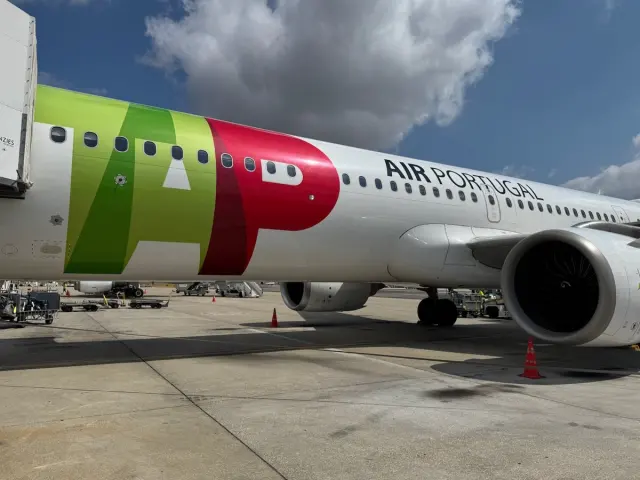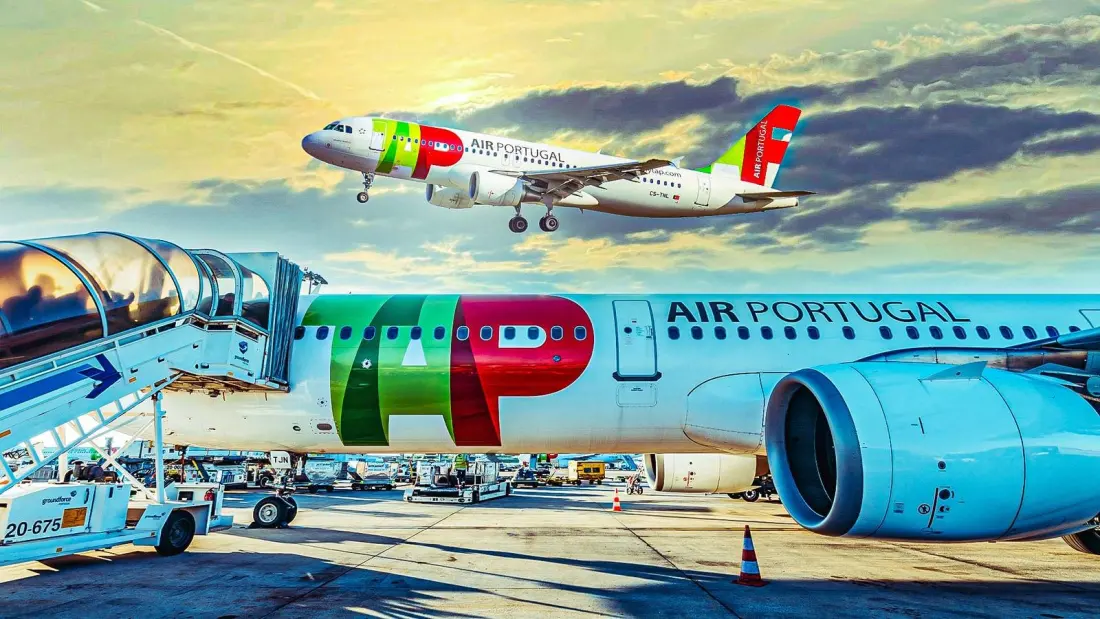
Lufthansa Group has been chosen as the preferred buyer of a 44.9% stake in TAP Air Portugal, beating out Air France-KLM in a two-horse race for the carrier. The deal, worth €1.2 billion (about $1.3 billion), is a major step in Portugal's long-running effort to privatise its flag carrier — though it still needs European Union sign-off.
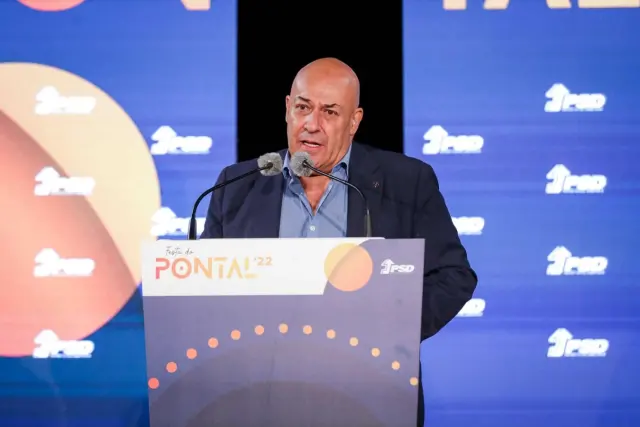
The numbers matter here: Portuguese Prime Minister Luís Montenegro said Lufthansa's offer came in 16% higher than its French-Dutch rival's. Crucially, the Portuguese state keeps a controlling share for now, with a further 5% ring-fenced for TAP employees to buy. Full privatisation is expected by 2028.
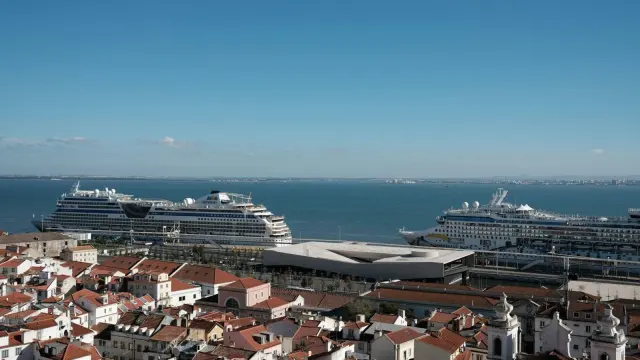
So what does Portugal get out of it? Government officials say Lufthansa has committed to expanding TAP's fleet by 117 jets by 2035, rising to 130 thereafter. The hope is investment that boosts connectivity at Lisbon, Porto and the islands — the Azores and Madeira — which rely heavily on TAP for links to the mainland. TAP's CEO Luís Rodrigues argues the airline will gain access to resources at better value within the Lufthansa ecosystem.
Not everyone is convinced. Analysts, including John Strickland speaking to Reuters, have questioned whether Lufthansa can afford a capital-hungry acquisition while its core German airline is still losing money. Lufthansa has its own target of lifting operating margins to 8–10% between 2028 and 2030. Still, the logic is clear on the strategic side: Lufthansa already owns or controls SWISS, Austrian Airlines and ITA Airways, but Portugal was the Western European market it had never managed to pull into its orbit.
It's also worth remembering this is round three. Portugal tried to sell TAP in 1998 and again in 2015, when a 61% stake went to a consortium involving JetBlue and Azul founder David Neeleman and businessman Humberto Pedrosa — a deal that promised Portugal would stay the hub for 30 years, plus 53 new Airbus jets. A change of government in 2016 reversed course and returned control to the state, and the fallout lingered: in November 2025, police raided TAP as part of a corruption probe tied to the Airbus leasing arrangements from that era.
Why should travellers care? TAP is the main way most people reach Portugal and its Atlantic islands, and it's a major Star Alliance player for transatlantic flights via Lisbon. If Lufthansa's investment lands as promised, expect a bigger fleet, more routes and potentially better connections through Lisbon's growing hub. If Lufthansa's financial struggles deepen instead, the impact could take longer to materialise. Either way, the shape of flying to Portugal over the next decade just changed.