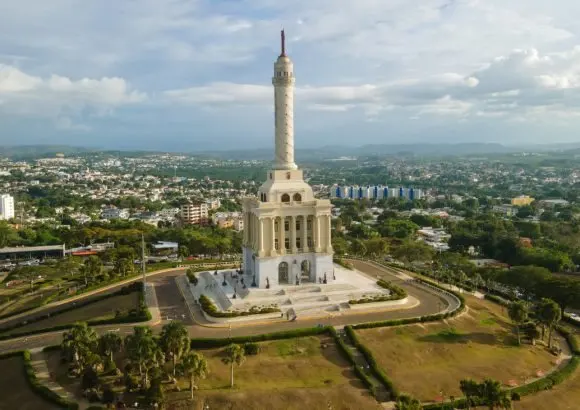
Puerto Plata, once a quiet cousin to Punta Cana on the Dominican Republic's tourism map, is on track for a record-breaking year. José Ignacio Paliza, the country's Minister of the Presidency, says the northern port city expects to welcome around three million tourists by the end of 2026 — a number that would roughly triple its previous best.
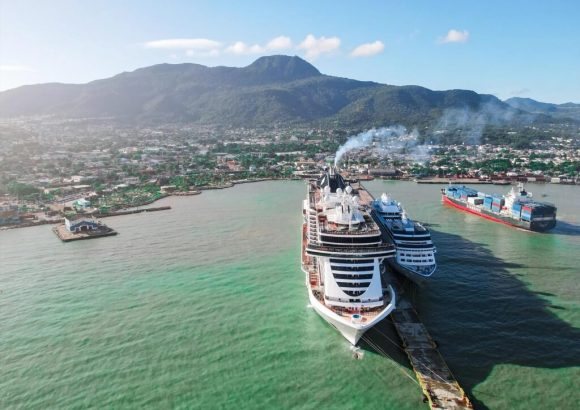
The numbers tell the story of a rapid comeback. In 2019, Puerto Plata received just under a million visitors. By the end of 2025, that figure had climbed to 2.5 million, and officials are confident the three-million mark is within reach next year. Cruise ships are driving most of it, with the terminals in the bays of Maimón and Puerto Plata handling the bulk of arrivals. Taino Bay in Puerto Plata and Amber Cove in Maimón have become regular stops on Caribbean itineraries, funelling day-trippers into the colonial centre, the Malecón waterfront and nearby beach towns.
It's not all day cruises, though. Paliza also flagged a rebound in second-home and real estate tourism, plus a stock of more than 25,000 short-stay rental rooms — evidence that visitors are increasingly staying longer rather than just stepping off a ship for the afternoon. For travellers, that means a much wider choice of villas, apartments and boutique stays than the all-inclusive-only landscape of a few years ago.
Infrastructure is racing to keep up. Two projects stand out: the Amber Highway, a new road link designed to speed up access along the north coast, and a full modernisation of the Puerto Plata Cable Car, the iconic ride up Mount Isabel de Torres that has long been the city's signature excursion. The cable car work is slated for completion in early 2028.
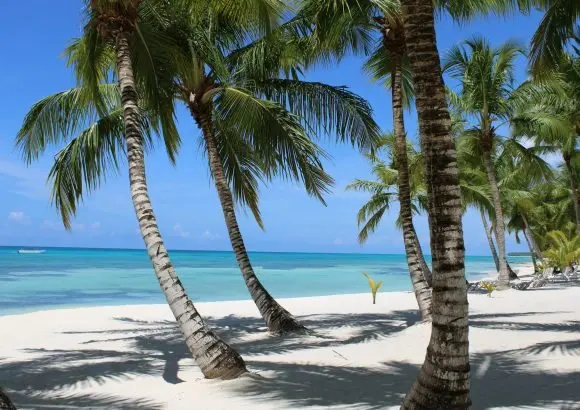
So who should care? If you've been cruise-curious about the Dominican Republic but wary of overcrowded ports, Puerto Plata offers a middle ground: a genuine city with Victorian-era architecture, a proper beach scene at Playa Dorada and Sosúa, and kite-surfing at Cabarete within easy reach. If you'd rather travel independently, the growing short-stay market and the new highway make a land-based trip far more practical than it used to be. Just check the cruise calendar if you want the sights to yourself — a three-million-visitor year means some days the Malecón will be busy.