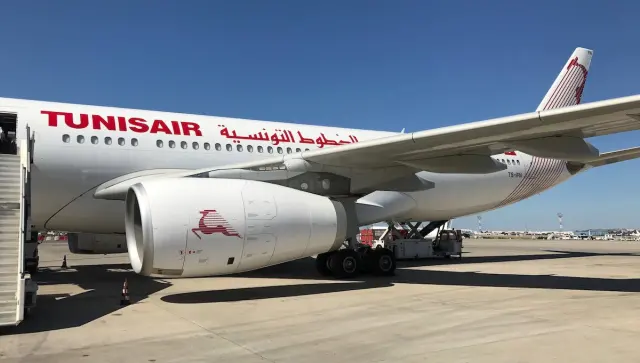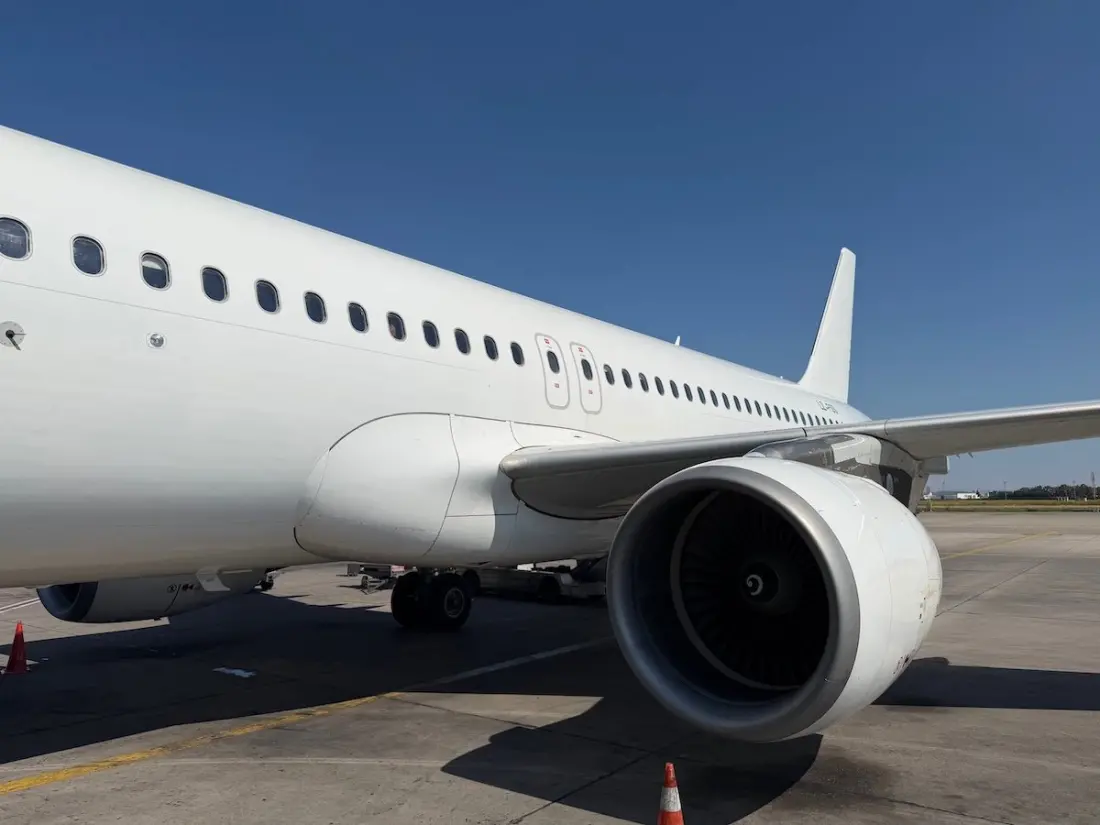
A travel blogger booked business class on Tunisair from Tunis to Marseille, only to receive a vague French-language email days before departure announcing that his "reservation has undergone changes." The real story was buried in the fare class field: it now read Y, the code for economy. The aircraft had been swapped for a wet-leased plane with an all-economy cabin, and the airline's notification never actually used the word "downgrade."
He flew the flight anyway, in economy, having paid a business class fare. No apology, no explanation of compensation rights, nothing. When he then tried to claim the fare difference, the hurdles kept coming: the customer service form is only in French, it's poorly designed, and weeks after submitting his refund request, he's had no reply at all.
That silence matters, because there's a clock ticking. Credit card disputes generally must be filed within 60 days of the charge. The blogger's dilemma is a familiar one for travellers: keep waiting politely for an airline that isn't responding, or burn the chargeback option before it expires.
His broader point is a fair one, and worth repeating. If an airline can proactively email you to say your cabin has changed, it can just as easily proactively refund the difference. In practically any other industry, telling a customer in advance that they won't receive what they paid for triggers an automatic adjustment. Think of premium sports tickets: you'd expect a partial refund, not weeks of being ignored. With airlines, we've somehow learned to accept less.
For travellers, this story is a useful warning, especially if you're flying carriers where aircraft swaps and wet leases are common. A few takeaways: screenshot any downgrade notification and note the fare class on your booking, keep records of your original purchase price, and don't wait until day 55 of a 60-day window to escalate. If a carrier's own channels go quiet, a credit card chargeback (or, in Europe, citing passenger rights rules on re-routing and refunds) is a legitimate fallback, not an abuse of the system.
It's also worth calibrating expectations before booking. The author's own framing is refreshingly honest: buying an airline ticket is closer to an Amtrak seat than a Four Seasons night, and low-margin carriers like Tunisair can be especially thin on service recovery. That doesn't make downgrades acceptable, but it does mean travellers should document everything and know their options upfront rather than assuming the airline will make it right.
The core grievance here is simple: money was taken for a product that was knowingly not delivered, and the process for getting any of it back is a runaround in a language the passenger may not even speak. If you regularly book premium cabins on smaller national carriers, it's worth knowing exactly what you'll do on day one of a downgrade — because the airline almost certainly doesn't have a plan for you. (Source: One Mile at a Time)