Passenger numbers through Doha's Hamad International Airport have climbed back to roughly 90-95% of last year's levels, according to Qatar Airways Group CEO Hamad Ali Al-Khater, speaking during a media tour of the facility. The hub is currently processing over 140,000 travellers a day as international carriers return, including British Airways, which has resumed daily direct flights from London Heathrow.
The recovery comes after a rocky stretch for the Gulf carrier, including a temporary suspension of flights in February amid regional tensions that forced rerouting away from some east-west corridors. During the 28 February airspace closure, around 8,000 passengers were stranded in Doha with another 8,400 stuck elsewhere on the network — an episode that prompted the airline to activate a dedicated passenger support centre at the airport, one it hopes to keep permanent.
For holidaymakers, the practical news is the winter 2026-27 schedule. Qatar Airways will serve more than 170 destinations, with London Heathrow frequency rising from 49 to 56 weekly flights from 25 October and Frankfurt growing from 18 to 21 weekly flights from 7 December. Helsinki now runs at seven flights a week, and July saw the launch of Bogotá and Caracas services — making Qatar Airways the first Gulf carrier to fly to Venezuela and the first airline to link the Middle East with both South American cities.
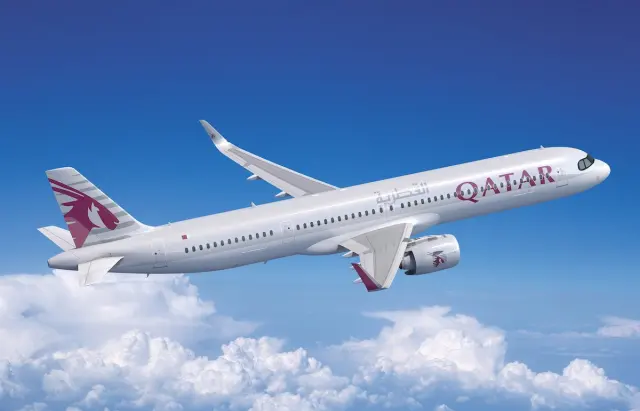
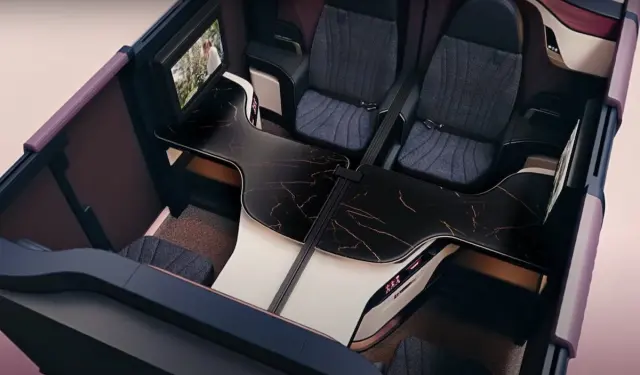
There's new metal coming, too. Long-range aircraft with a fresh cabin configuration arrive by the end of the year, letting the airline serve smaller secondary airports that were previously uneconomical. A total of 138 new aircraft join the fleet over the next five years, and a next-generation Qsuite business class is due to be revealed in summer 2027. Connectivity is also ramping up: Qatar Airways became the first airline to fly a Starlink-equipped Boeing 787-9 in August and now operates 150 Starlink-enabled widebodies.
The airport tour also revealed the less glamorous work behind the operation. Hamad's engine workshop holds up to 80 engines at a time, which need regular cleaning to strip out sand that corrodes the blades — a single engine costs $20-40 million and one blade around $250,000. Meanwhile, an integrated operations centre tracks flights and even cabin temperatures in real time.
Travellers with a Qatar Airways booking this winter should see more flight choices on European routes and steadily improving onboard Wi-Fi. If you're flying business class, it may be worth waiting until after mid-2027 to see what the new Qsuite brings. And for anyone considering the new South American routes, Doha now offers a one-stop option to Bogotá and Caracas from Europe and Asia.