If you've hiked Ala-Archa on a summer weekend, you know the scene: crowded trails, trampled meadows and tents pitched wherever there's flat ground. Kyrgyzstan's government has noticed too. The Ministry of Natural Resources has put forward a draft ten-year plan for the country's nature reserves and parks, and it includes something rarely seen in Central Asian tourism: hard limits on how many people can walk the most popular routes.
The concept, now open for public discussion, covers 2026 to 2035 and is ambitious well beyond crowd control. Kyrgyzstan currently protects 11.8 percent of its territory — roughly 2.36 million hectares across 10 state nature reserves and 13 nature parks. The plan aims to push that figure to 20 percent by 2030 and 30 percent by 2035, bringing high-altitude glaciers, rocky ground and state forests into the protected network. Officials say pastures used by local herders will be left alone, and traditional grazing will continue in buffer zones.
The tourism changes are the part travellers will feel first. Ala-Archa, Karakol, Chon-Kemin and Kyrgyz-Ata have all been flagged for excessive pressure — vegetation trampling, litter and unofficial campsites. The response: visitor caps on specific trails, new ecological routes, electronic ticketing, and the eventual end of cash at park entrances in favour of cards and QR codes.
There's money behind the rhetoric. Between 2027 and 2029 the parks service plans to buy at least 25 off-road vehicles, 15 long-range drones and satellite-linked camera traps, with rangers patrolling on tablets. Thirty key hiking routes will get navigation systems and self-contained eco-toilets, and modular visitor centres are planned at Chon-Kemin and Khan-Tengri. Conservation gets a boost too, with ecological corridors in the Tian Shan and Pamir-Alay ranges designed to protect migrating snow leopards and Tian Shan brown bears.
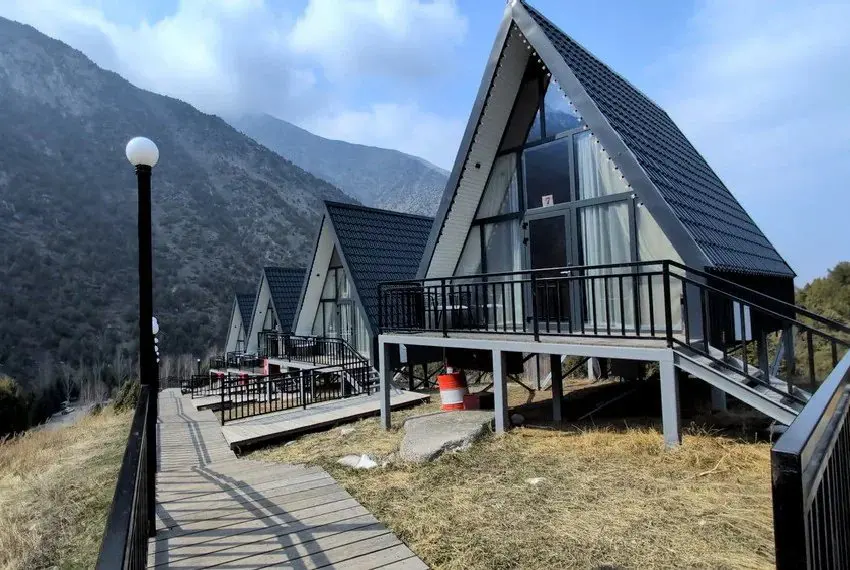
One detail worth noting for anyone dreaming of a mountain lodge: permanent construction and privatisation of protected land will be banned, and private investment confined to limited tourist infrastructure in designated zones. So the wild feel of these valleys should stay wild — just better managed.
For travellers, this is mostly good news. Kyrgyzstan has become one of Central Asia's fastest-growing trekking destinations, and anyone who has queued at the Ala-Archa gate or struggled to find a clean toilet on a popular trail will welcome the upgrades. The trade-off is that you may need to book ahead or travel off-peak once route caps kick in, and you'll definitely want a working bank card rather than a wad of som. Nothing is law yet — the concept is still in its discussion phase — but if you're planning a Kyrgyz trekking trip in the next few years, expect a more regulated, better-equipped version of the mountains you may have read about from earlier backpackers.
Full story: 24.kg.