The Pacific has taken centre stage at COP31 in Antalya, and the messages coming out of it are blunt. Tuvalu's Prime Minister Feleti Teo told delegates that sea-level rise is not a forecast for his country — it is already eroding coastlines, pushing saltwater into gardens and flooding homes. He called for grant-based climate finance, better coastal defences and real emissions cuts, and pointed to the Tuvalu Coastal Adaptation Project, which has reclaimed 20.8 hectares of land as a buffer. His closing line was stark: the rising seas may take the land, but they must not erase the nation.
On the money side, there was at least some movement. The Green Climate Fund says it has channelled roughly USD$3.5 billion (including co-financing) across all 14 Pacific Island nations, and it plans to open a regional office in Fiji in 2027 to cut red tape and get decisions closer to affected communities. The Solomon Islands became the first Pacific country to pledge to the fund's next replenishment, with the Tina River Hydropower Project (USD$318 million) and the SOLKAS resilience programme among its flagship efforts.
The ocean got its own moment too. At a Moana Blue Pacific Pavilion event, speakers pushed for the High Seas Treaty (the BBNJ Agreement) to protect migratory routes — humpback whales heading from the Southern Ocean to Tonga, Fiji, Vanuatu and Niue, or turtles hatched in the Marshall Islands feeding off Papua New Guinea. Palau was the first country to ratify the treaty, and island states collectively steward about 50 million square kilometres of ocean, roughly a fifth of the planet's. There was good news: the green sea turtle was upgraded from endangered to least concern on the IUCN Red List after four decades, proof that collective action works — but shifting species patterns, including eastward-moving tuna, raise food-security questions the treaty will have to answer.
Away from the conference halls, the human cost is more immediate. In Lilisiana, a low-lying village in Solomon Islands, residents — including 35-year-old climate activist Millicent Barty — are hauling coral and coconut trunks to build makeshift seawalls. Salt has ruined freshwater wells and swamp taro crops, and more than 200 ancestral graves have already been taken by the sea.
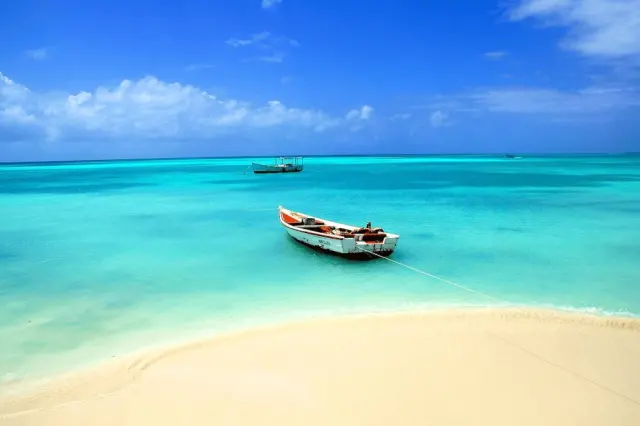
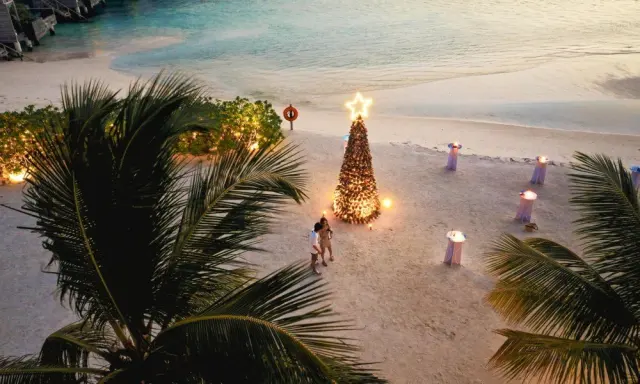
Why should travellers care? Because the Pacific's postcard image — atoll lagoons, whale swims, coral reefs — is being reshaped in real time, and the region is asking visitors and governments alike to engage rather than look away. Dry conditions are also forecast across Fiji until January 2027, a reminder that climate stress shows up in holidays too, from water shortages to changed dive conditions. Choosing operators who work with local communities, and understanding what these nations are fighting for, is part of travelling there responsibly now.
Islands Business