If you still picture adventure travel as ropes, crampons and white-water rapids, the numbers say you're behind the times. According to the Adventure Travel Trade Association, 67 percent of international travellers now count as "Open to Adventure", and the global outbound market for that style of travel hit $1.16 trillion in 2024. That's not a fringe segment — that's a huge slice of tourism.
The argument, put forward by Malia Asfour — who spent more than 30 years building the Jordan Tourism Board's North America office and now sits on the ATTA board — is that destinations keep misreading what "adventure" means. Yes, it includes hard adventure like mountaineering, and soft adventure like hiking, cycling, diving and wildlife. But it also covers cooking classes, village visits, craft workshops, wellness retreats and cultural exchanges. You don't need to summit anything to be an adventure traveller.
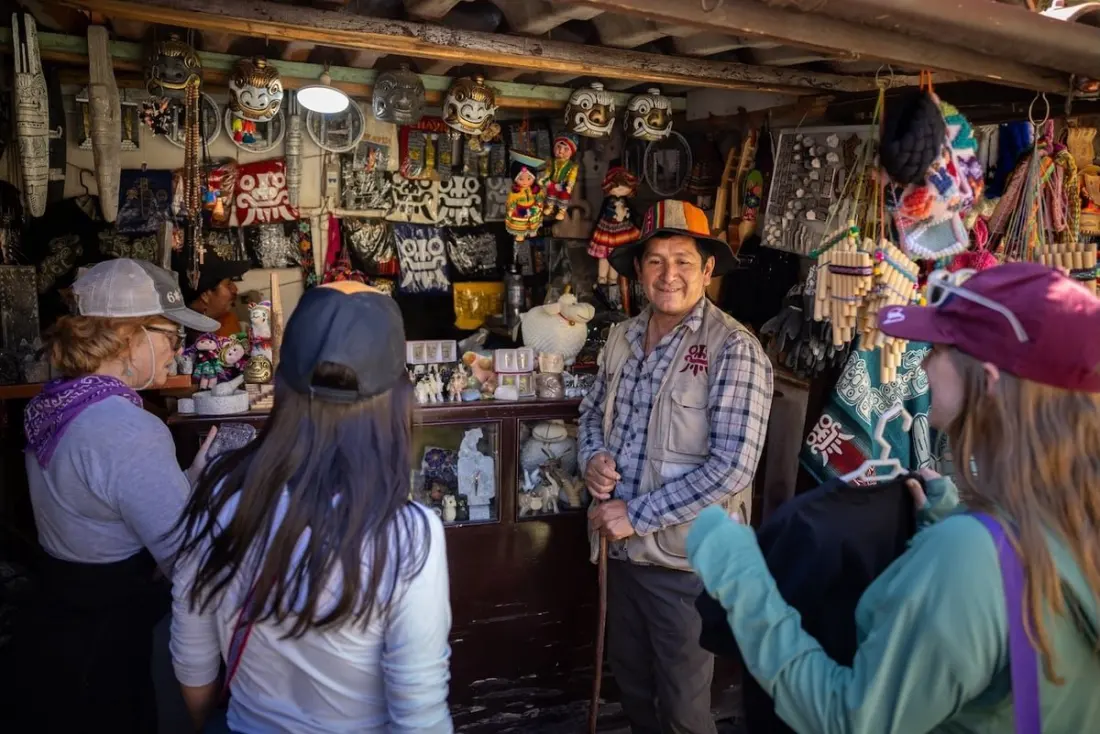
Why does this matter beyond semantics? Because adventure spending stays local. ATTA's 2026 research puts the median seven-night adventure itinerary at roughly $2,250, with about 75 percent of that money remaining in the destination's economy. A hike needs a guide, a dive needs a local operator, a food experience connects travellers with farmers and chefs. Unlike a stay at a foreign-owned resort chain, the money circulates through guides, drivers, artisans and family-run guesthouses — and keeps going via the businesses they in turn buy from and employ.
There's a second multiplier: people. Adventure tourism lets young people build careers as guides, chefs, conservationists and experience creators without leaving their hometowns, which helps keep talent, culture and traditions alive. It also spreads visitors out. Travellers in this segment actively want off-the-beaten-path experiences — ATTA's 2026 research flags hiking, culinary experiences, e-biking, culture and wellness as leading activities — so destinations battling overtourism at one headline site can use adventure to pull crowds into rural areas, extend stays and route money to small operators that could never compete with an international hotel chain.
Asfour points to Jordan as proof. The country never had a natural claim as an adventure capital, but by hosting ATTA trade events four times, courting international buyers and adventure media, and turning local experiences — Red Sea dives, guided hikes, community visits — into bookable products, it positioned itself as a regional adventure hub. The return, she says, was exceptionally strong.
For destinations, the pitch is essentially self-interested sustainability: the landscapes, wildlife and culture adventure travellers come for are the very assets that must be protected, or the product itself collapses. And in a marketplace where every destination posts the same beach-and-sunset photos, distinctive local experiences are the differentiator that can't be copied.
For travellers, the takeaway is simpler. If you like walking, eating locally, meeting people and exploring places that feel unfamiliar, you're already part of the adventure economy — and choosing local guides, community stays and small operators means more of your money lands where you actually visited.