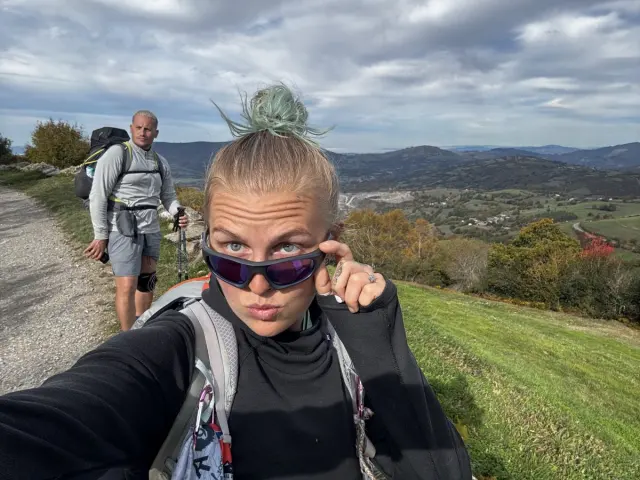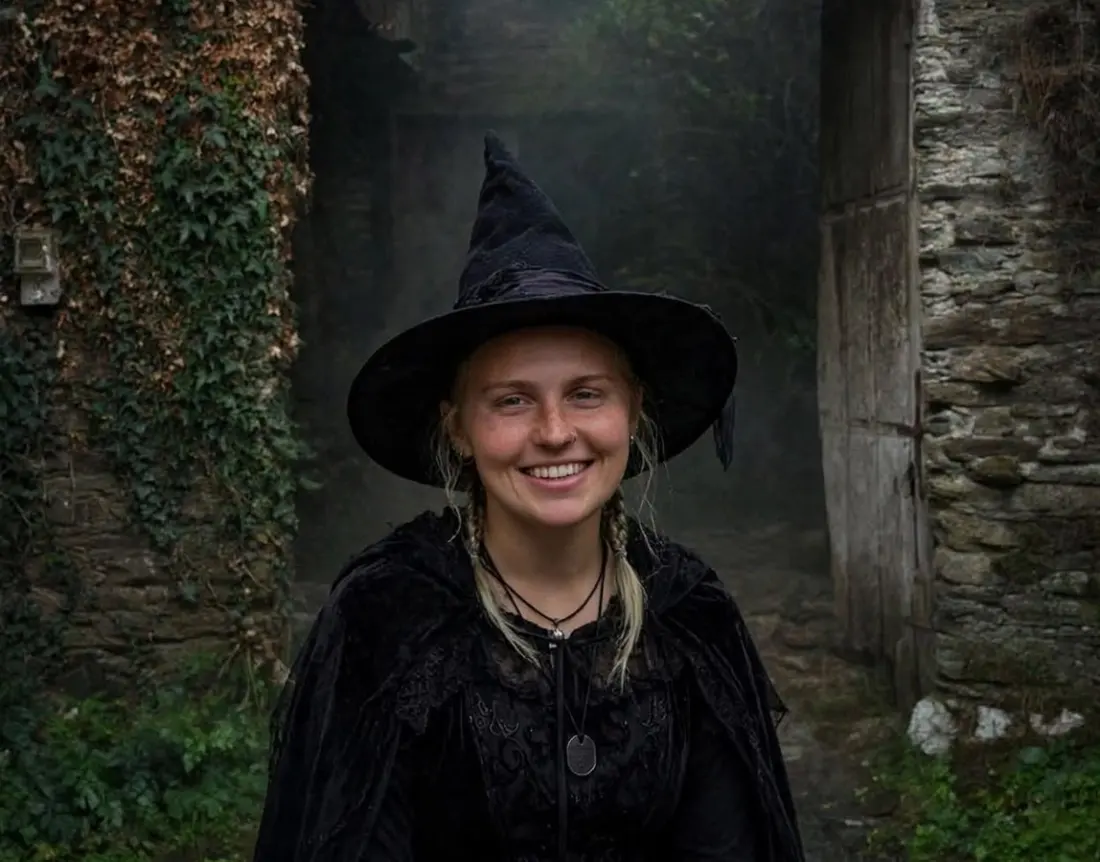
Halloween has a different name in northwest Spain — and deeper roots than you'd expect. Pilgrim Marley Kreiser, writing on day 35 of the Camino de Santiago, woke in Triacastela to mist sunk into the valley and realised the date carried three names at once: Halloween back home, Día de los Muertos in Mexico, and Samaín in Galicia.
Samaín is Galicia's take on the old Celtic festival marking the end of the harvest, the same root tradition that gave Ireland its Halloween. Locals roast chestnuts — magostos — carve pumpkins and gourds, and swap stories about meigas (witches) and trasnos (mischievous spirits). It's one of the reasons Galicia feels distinct from the rest of Spain: this is a Celtic corner of the Iberian peninsula, and late October and early November, when the fog settles and gravestones get dressed with flowers for the saints' days, is when that identity shows most.
The day's walk delivered the atmosphere without trying. Chestnut forests dripping with cloud condensation, unfamiliar birds, giant slugs on the trail, and a field of pumpkins ready for harvest. A few steps out of Triacastela, Kreiser stumbled onto Terra de Luz (Land of Light), a former blacksmith's property turned rest stop for pilgrims, offering free food, a permaculture garden, and signs advertising yoga, meditation and integration. Five minutes there produced what the writer describes as a wave of peace — a useful tip for anyone walking this stretch who wants a quiet pause before the crowds.
The stretch from Triacastela to Portomarín also marks a practical turning point on the Camino Francés. Somewhere along it you pass the 100-kilometre-to-Santiago marker, and from there the trail fills with walkers doing only the final minimum distance required to earn the Compostela certificate. The writer found the sudden surge of new faces — after weeks of solitude and trail friendships — genuinely jarring. Anyone planning the last week should expect fuller albergues, livelier towns like Portomarín, and a mental adjustment if they've come for quiet.
For travellers, this is the Camino at its most atmospheric: a route that doubles as a cultural deep-dive into Celtic Galicia, timed perfectly if you set out in late autumn. Costrump along chestnut-lined paths in the morning fog, pick apples, read Paulo Coelho's The Pilgrimage as you walk it, and finish the day with roasted chestnuts in a town square. Just book accommodation ahead from Sarria onwards — the 100km crowd is real.