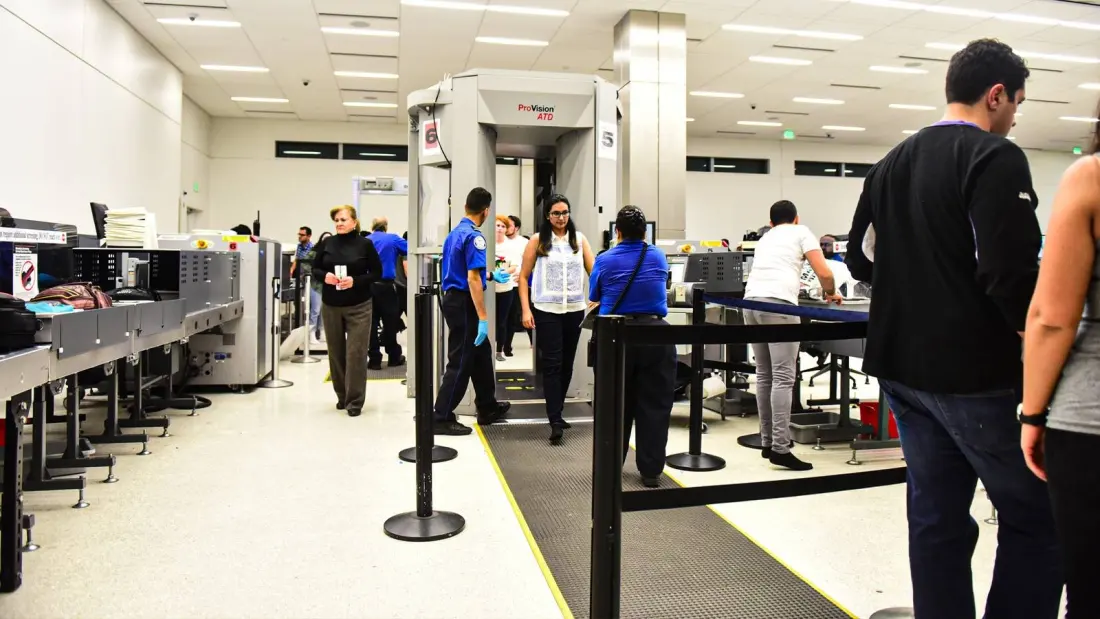
As of 8 July 2025, travellers at every US airport can keep their shoes on going through security. The Transportation Security Administration ended the nationwide shoe-removal rule that had been in place since August 2006, ending one of the most tedious rituals in air travel after nearly two decades.
The rule's origin is well documented. In December 2001, a British man named Richard Reid boarded American Airlines Flight 63 from Paris to Miami with roughly 100 grams of PETN explosive hidden inside his shoe. Passengers subdued him before he could detonate it, but the failed attack reshaped airport screening for the next twenty years.
So why lift the rule now? The TSA points to layered security rather than any single fix. Modern checkpoints pair Computed Tomography baggage scanners, which build 3D images of carry-on bags, with Advanced Imaging Technology booths that detect both metallic and non-metallic threats under clothing. Behind the scenes, fusion centers share threat intelligence between local, state and federal agencies, and REAL ID checks verify identities before passengers ever reach the belt. Former Homeland Security Secretary Kristi Noem noted that some individuals may still be asked to remove shoes if extra screening is deemed necessary, so the exemption isn't absolute.
For travellers weighing up whether to pay for TSA PreCheck, the calculus just changed slightly. PreCheck still offers shorter lines, no need to pull out laptops or light jackets, and 99% of members report waits under ten minutes. A five-year membership runs $79.75 to $85 depending on the provider (IDEMIA, Telos or CLEAR), which works out at roughly $16-17 per year, or about $1.40 per checkpoint for someone flying six round trips annually. Frequent flyers will generally find it worth the predictability, especially for early-morning departures; occasional holidaymakers may find the new default experience is good enough without it.
Whether you're a PreCheck regular or not, the practical takeaway is real: less queuing hassle, fewer moments crouching to re-lace trainers with kids in tow, and a faster walk to the gate.