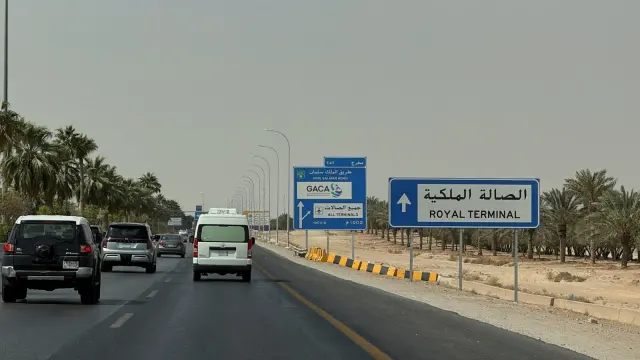
King Khalid International Airport in Riyadh has been struck four times in five days, and the message for anyone with Saudi travel plans is blunt: the kingdom's airspace is currently a conflict zone.
On Sunday night, Yemen's Houthi rebels hit the domestic terminal at Riyadh's main airport for the second time in as many days. Saudi authorities said a Pakistani national was killed and 11 people injured. The previous attack on Saturday had killed at least 12 people and wounded more than 300 — the deadliest strike inside a Gulf Arab state since the wider Iran war began — and India's embassy later reported another of its citizens died of their wounds, taking the toll to 13. The airport has been closed since Saturday. Dammam's King Fahd International Airport on the Gulf coast was also reported hit.
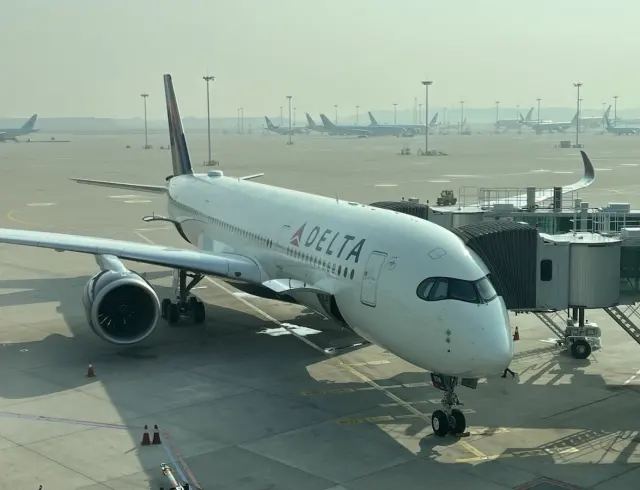
Several airlines have suspended flights to Saudi airports, and multiple embassies are warning citizens about the risks of flying through them, after Houthi warnings about the use of Saudi airspace. Saudi Arabia is reportedly running short of missile interceptors and has asked France, Britain, Pakistan and Egypt for air defence support.
The timing could hardly be worse for the country's tourism push. The strikes came as Riyadh hosted a major international energy conference, with a flagship investment summit still to come. Crown Prince Mohammed bin Salman has spent years trying to position Saudi Arabia as a business and tourism destination, and Prince Abdulaziz bin Salman Al Saud struck a defiant note at the conference: "We are like a phoenix, we come out of the ashes all the time."
The wider stakes stretch well beyond aviation. The Houthis control territory near the Bab el-Mandeb Strait, a key shipping route at the southern end of the Red Sea, and a US intervention — President Trump says he is weighing joining the fight — could prompt the rebels to block commercial traffic there, squeezing global oil supplies. Iran's foreign minister says Tehran is ready to broker talks between Riyadh and the Houthis, but fighting on both sides of the border is intensifying: the Houthis claim 91 people have been killed in Yemen in five weeks, while the Saudi-led coalition presses a new offensive against them.
The fighting first broke out in 2015 when Saudi Arabia entered Yemen's civil war; a 2022 ceasefire held until July, when Houthi attacks resumed after strikes near Sanaa airport. Anyone booked to fly to, from or through Saudi Arabia in the coming weeks should check directly with their airline, follow their foreign ministry's travel advisories, and expect cancellations and route changes to continue until the situation stabilises.
Credit: Daily Sabah Travel