
A Kyiv-Warsaw passenger train was hit by a Russian strike roughly two kilometres from the Polish border on Sunday, an attack both governments are calling a serious escalation in the war. Nobody was killed, but the location matters: with Ukrainian airspace closed since the invasion began, this rail corridor has been the main way in and out of Ukraine — used by refugees, aid workers and a steady trickle of foreign visitors.
The strike wasn't an isolated event. Russian drones targeted western Ukraine across the day, and separately hit infrastructure near a frontier crossing. Ukraine's state rail operator, Ukrzaliznytsia, revealed a striking detail: at the moment of the attack, a diplomatic train was sitting at Yagodyn station nearby carrying former UK Prime Minister Boris Johnson, security advisers from several EU countries, and former CIA director David Petraeus on a separate train. The operator didn't specify how close they were to the train that was struck.
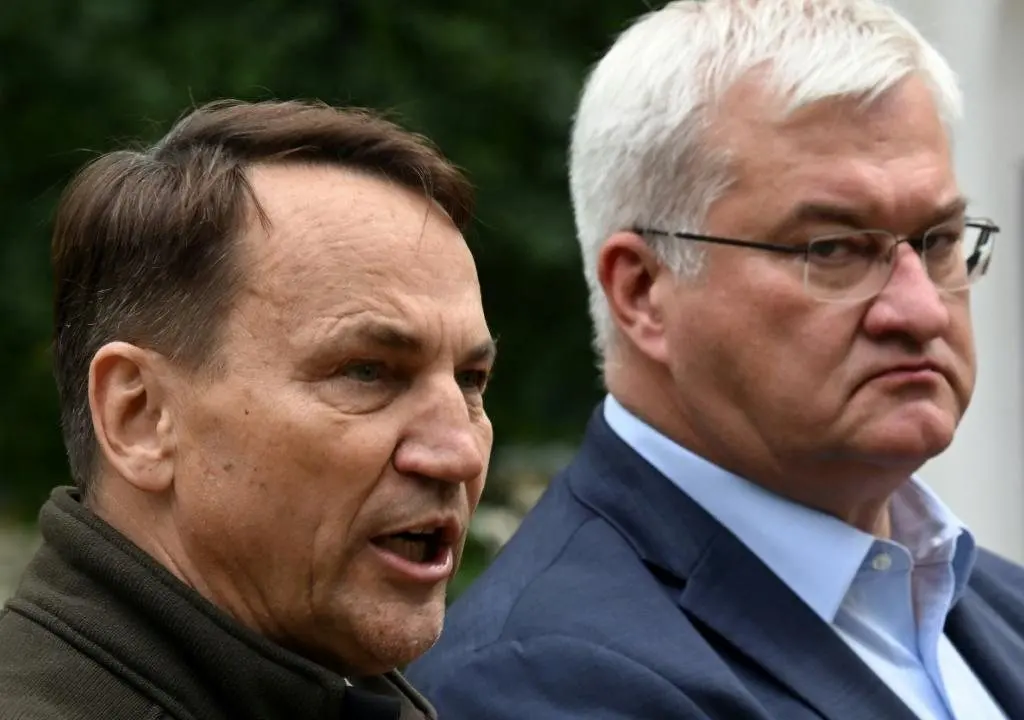
Ukrainian President Volodymyr Zelenskyy said Moscow had deliberately targeted the locomotive, framing it as an attempt to push the war towards the rest of Europe. Poland's Prime Minister Donald Tusk chaired an emergency security meeting in Warsaw and warned that Russia is likely to escalate "in the coming weeks", adding that he could not rule out spillover onto Polish territory. Foreign minister Radoslaw Sikorski, speaking in Kyiv, said the attack — just a few hundred metres from Polish soil — affected the safety of Polish citizens and should push allies to double their support for Ukraine. Ukraine's foreign minister Andriy Sybiga went further, arguing that Putin already considers himself de facto at war with Europe.
Russia's version differs: it says it targeted railway infrastructure used to move military cargo from European countries. Meanwhile, attacks elsewhere in Ukraine killed at least two people in Kramatorsk and wounded twenty, including two children, in Odesa.
There's a diplomatic backdrop too. The Kremlin says trilateral talks involving Ukraine and the United States could happen in October, and Zelenskyy has floated meeting Putin at the G20 summit in Miami in December — an idea Moscow immediately dismissed as impossible, insisting any leaders' meeting would have to happen in Moscow.
Why should travellers care? Anyone considering overland travel between Poland and Ukraine — the standard route for aid workers, journalists and a small number of visitors — should treat this corridor as actively high-risk. Western Ukraine, previously seen as the calmer part of the country, is now being struck directly, and attacks are landing within kilometres of an EU border. Most governments already advise against all travel to Ukraine; this strike is a reminder that even the main exit route is exposed. Poland itself remains safe to visit, but border regions may see heightened security, delays or sudden closures if tensions rise, as Tusk has warned they might. Anyone with rail bookings on the Warsaw-Kyiv route should monitor Ukrzaliznytsia announcements and their foreign ministry's travel advice closely.