San Juan is quietly becoming one of the most upgraded cruise hubs in the Caribbean. Global Ports Holding, which took over operations of the Puerto Rican capital's cruise piers in February 2024 under a 30-year public-private partnership, says its modernization program — expected to cost more than $200 million — should wrap up in the fourth quarter of 2026.
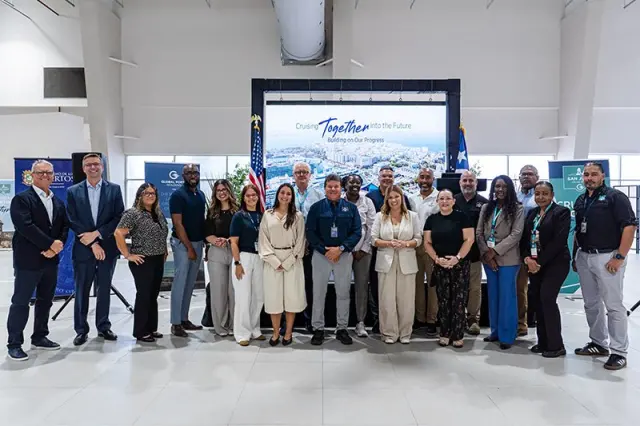
The news was shared during a presentation and facilities tour at the Florida-Caribbean Cruise Association's annual conference in Puerto Rico. Work already underway includes structural rehabilitation of the piers, berthing improvements, terminal upgrades and behind-the-scenes changes to port operations. At the Pan American Piers, a second passenger boarding bridge has just arrived to join the first one installed in 2025, aimed at smoother and safer embarkation and more flexibility when multiple ships are in port.
And that's only phase one. GPH has proposed a brand-new homeport terminal at Piers 11 and 12 — another $200 million-plus of construction, financed through private capital. This is the part that matters most if you're starting or ending a cruise in San Juan rather than just calling in for a day: purpose-built facilities for check-in, boarding and arrival, designed to handle the full flow of passengers embarking and disembarking.
There's a third project on the drawing board too: demolishing and rebuilding the historic Pier 1 in Old San Juan, an estimated $114 million job expected to be funded mainly through federal CDBG-MIT and FEMA resources in coordination with Puerto Rico government agencies. Both the new terminal and the Pier 1 rebuild remain proposals for now, separate from the work currently in progress.
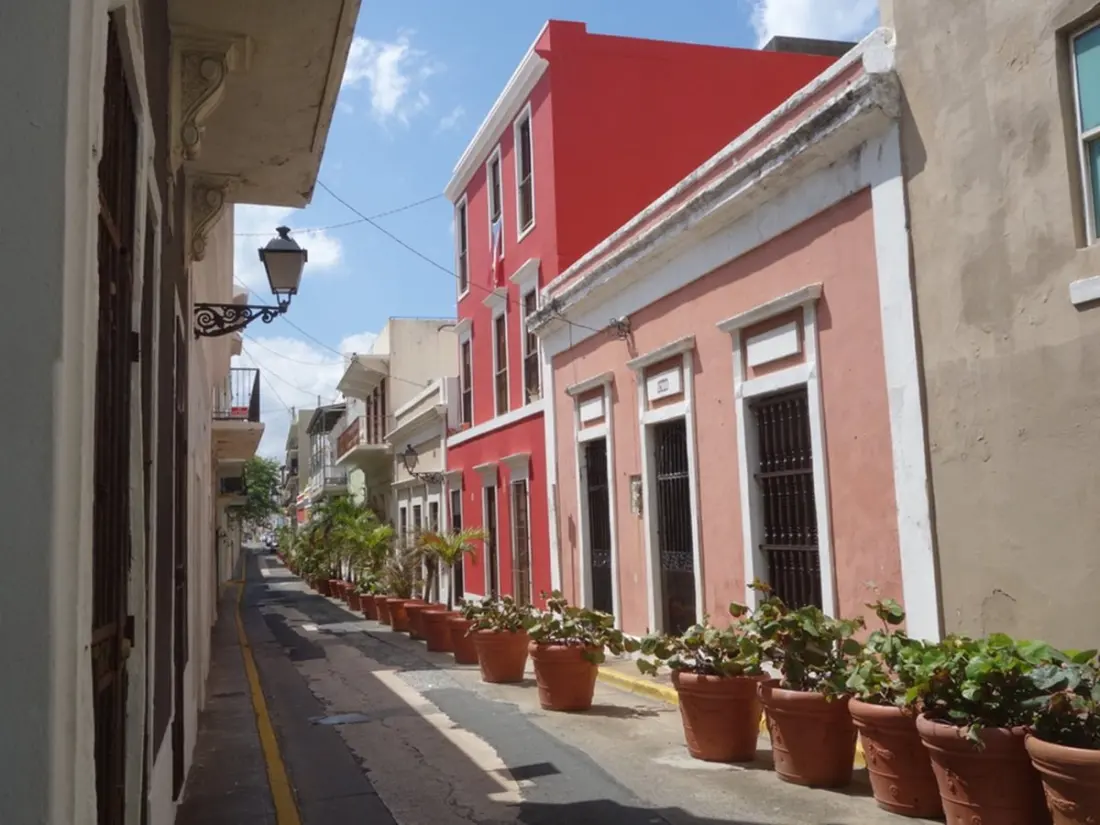
Why should a traveller care? San Juan plays a double role in Caribbean cruising. It's a popular port of call — where you can spend a day wandering the cobblestone streets of Old San Juan, forts included — and it's a genuine homeport, with plenty of ships beginning and ending week-long southern and eastern Caribbean itineraries there. Better boarding bridges mean less queuing on port days; a new homeport terminal would make starting a cruise there noticeably less chaotic. If you've been put off by crowded, dated cruise facilities in the past, the 2026 completion date is worth keeping in mind when you're choosing next year's sailing.
The practical upshot: whether you're stepping off a ship for a day of mofongo and colourful colonial streets, or flying in to start a week at sea, the experience at one of the Caribbean's busiest ports is about to get a lot more comfortable.