
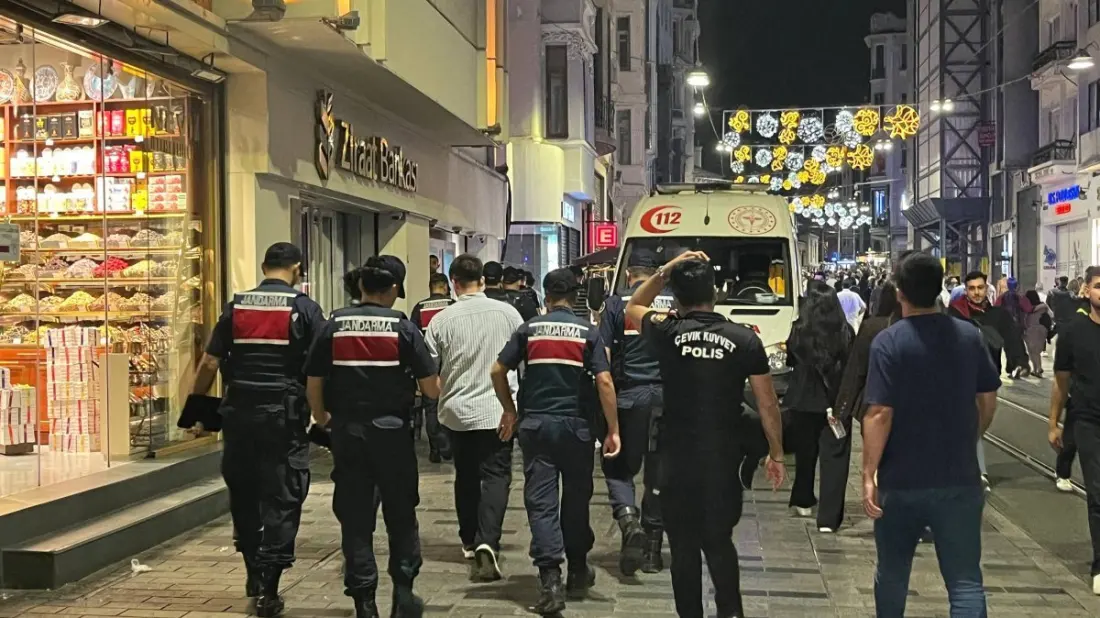
Turkish authorities have detained 26 people in a wide coordinated operation that began in Istanbul and stretched across the country, according to the Istanbul Chief Public Prosecutor's Office. The sweep, labelled 'Family Safety', was carried out on 12-13 September and targeted alleged organised crime, prostitution, obscenity and drug offences, with six LGBTI+ associations named in the investigation.
The scale was unusually broad. Detention and search warrants were executed at 38 addresses in 12 provinces — Istanbul, Ankara, Izmir, Antalya, Çanakkale, Ordu, Elazığ, Balıkesir, Aydın, Kırşehir, Iğdır and Hatay — alongside 54 workplaces, homes and associations, including ten businesses in Istanbul itself. Surveillance was handled by the Istanbul Provincial Gendarmerie Command and the police's organised crime and cybercrime units, drawing on witness statements and technical monitoring.
Prosecutors said the case rested on Article 41 of the Turkish Constitution, which covers protection of the family, children's best interests and public morality, and claimed evidence that minors had been directed on matters of sexual orientation and gender identity. The statement also flagged alleged exploitation under the label of 'paid social companionship services' and venues suspected of hosting unlawful activity disguised as entertainment.
Seizures were modest relative to the operation's size: 25 grams of narcotic and stimulant substances, 10 grams of cocaine, 9 grams of cannabis and 10 suspected synthetic pills, plus syringes, 2,000 bottles of illicit alcohol, one unlicensed handgun, five camera recording devices and 26 mobile phones. One business was sealed for allegedly breaching its licence terms. Authorities said efforts to detain the remaining suspects from the original list of 38 were continuing at the time of reporting.
It is worth reading the announcement with some care: the details above come from the prosecutor's own statement, and the framing of LGBTI+ organisations alongside drug and obscenity allegations has drawn attention given Turkey's broader climate around gender and sexuality issues. The source report does not include any response from the associations named.
For travellers, the practical relevance is context rather than alarm. Turkey remains one of the region's most visited countries, and everyday tourism in Istanbul, Antalya or Izmir is unaffected by an operation of this kind. But the case is a reminder that laws and social attitudes around LGBTQ life in Turkey differ sharply from much of Europe — public expression is more restricted, and venues associated with the community have faced increased scrutiny in recent years. Visitors who want to understand the atmosphere before travelling, particularly LGBTQ travellers or those attending pride-related events, should keep an eye on local reporting and official guidance. Istanbul's appeal — the Bosphorus, the grand bazaars, the food — hasn't changed; the legal and social backdrop around certain communities simply deserves a moment of awareness in your planning.