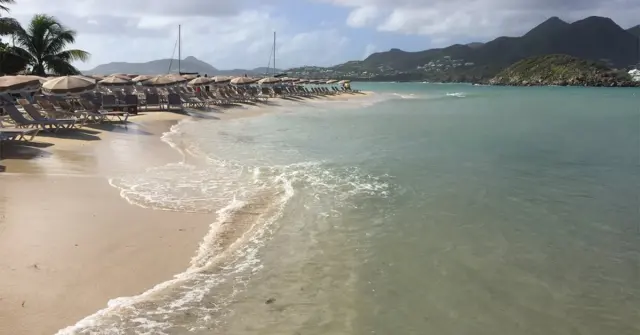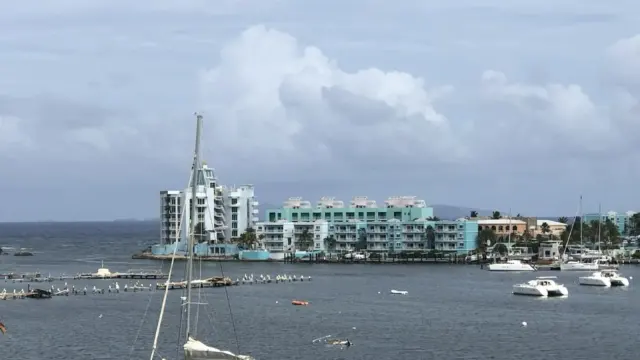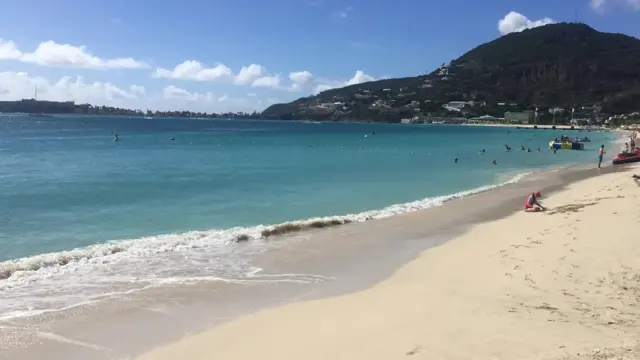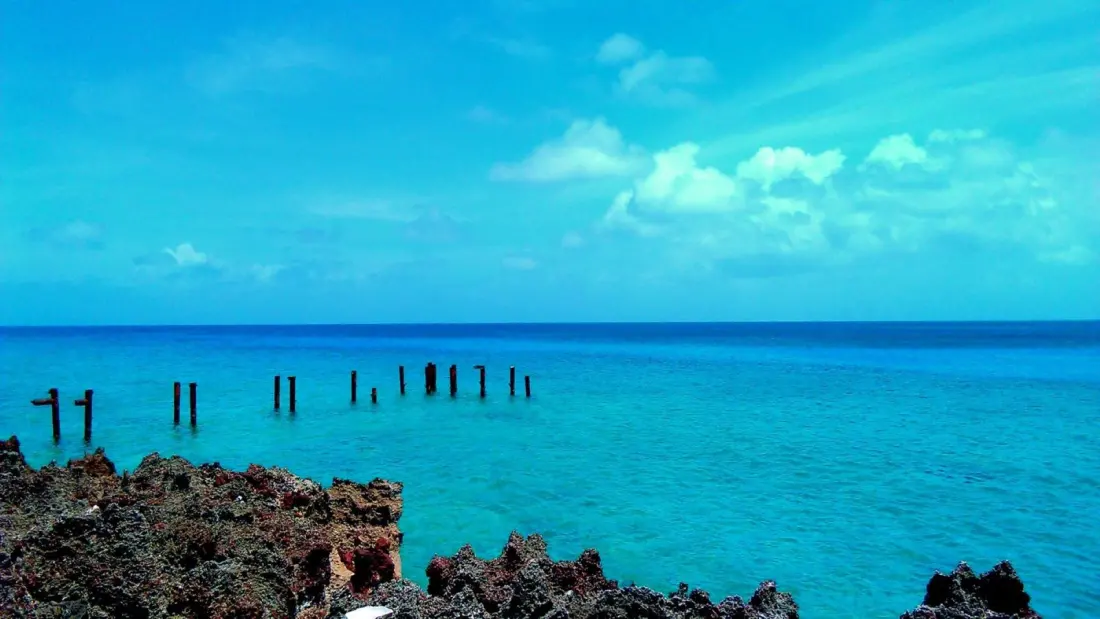
San Andres, the Colombian Caribbean island famous for its seven shades of blue water, has updated its entry rules for 2026 — and anyone flying there from the mainland needs to budget for them. Under Decree 0010, issued 8 January 2026, every non-resident visitor pays COP 153,000 for the tourist card: COP 116,000 for the card itself plus COP 37,000 toward public tourism infrastructure. You must pay before boarding your flight, either during booking or at the airport depending on the airline, and keep the receipt for the whole trip. The fee applies to Colombians and foreigners alike, with exemptions for children under seven, people born on the islands and accredited residents.
Getting there is straightforward: Gustavo Rojas Pinilla International Airport sits close to the town, with direct flights from Bogota (about two hours ten minutes), Medellin and Cali, and connections from elsewhere. A return ticket is advisable since airlines can ask for proof of onward travel.
Once on the island, the classic excursions are all boat trips. Johnny Cay, the most visited cay, runs COP 60,000–90,000 per person, while combined Johnny Cay and Aquarium tours start around COP 85,000. Trips to the Natural Aquarium, Rose Cay and Haynes Cay — shallow, clear water good for snorkelling — are advertised from COP 70,000 to 180,000. Always ask what's included: entrance fees and boarding taxes are often billed separately, and departures can be cancelled when seas are rough.
You don't need a boat to see the island, though. A road trip loops past La Loma, San Luis, Rocky Cay, West View, La Piscinita and the blowhole at Hoyo Soplador. Organised tours start at about COP 70,000 per person, or rent a vehicle for roughly COP 120,000–290,000 per day (fuel and entry fees usually extra). On the west coast, swimming and snorkelling spots like West View charge around COP 10,000–15,000 — confirm prices on arrival and check water conditions before jumping off rocks.
Away from the beaches, Old Point Regional Mangrove Park, the Botanical Garden, the Island House Museum, the First Baptist Church and pirate-legend favourite Morgan's Cave round out the itinerary.
What really sets San Andres apart is Raizal culture. The archipelago's Afro-Caribbean community speaks Creole (Kriol) alongside Spanish and English, and its music — reggae, calypso, soca — and food reflect centuries of maritime exchange. Try rondon, a coconut-milk stew with fish or seafood, cassava, yam, plantain and dumplings, plus crab soup, fried fish with patacones and coconut bread. Locals ask visitors to treat the island as a home, not just a resort: use local businesses, ask before photographing people, and avoid touching coral or chasing marine life on snorkel trips.
Practicalities: carry cash in Colombian pesos for small shops and beach vendors, confirm tour inclusions before booking, and if you want to add Providencia, arrange a separate flight or boat and check schedules — sea conditions can disrupt connections.
For travellers weighing Caribbean options, San Andres offers beach-and-snorkel holidays, a compact road-trip island and a genuinely distinct culture at prices well below much of the region. Full details in the original guide by Colombia One.