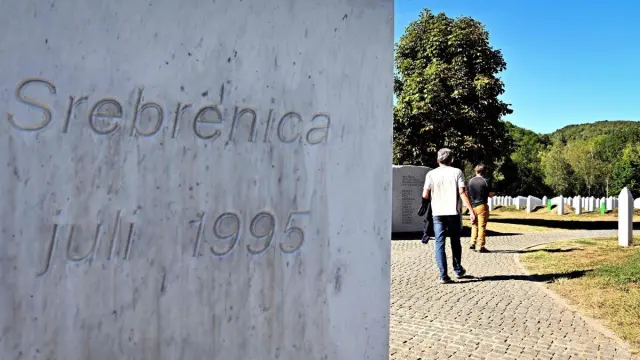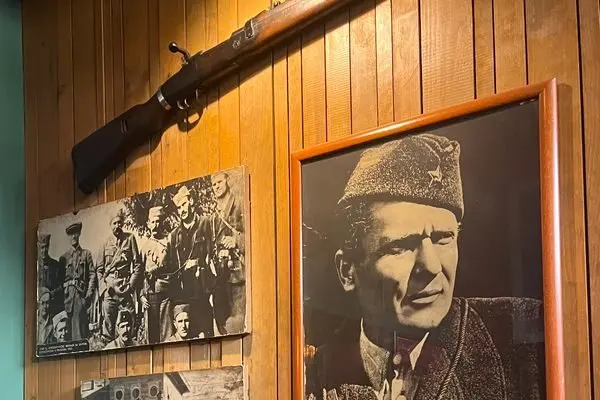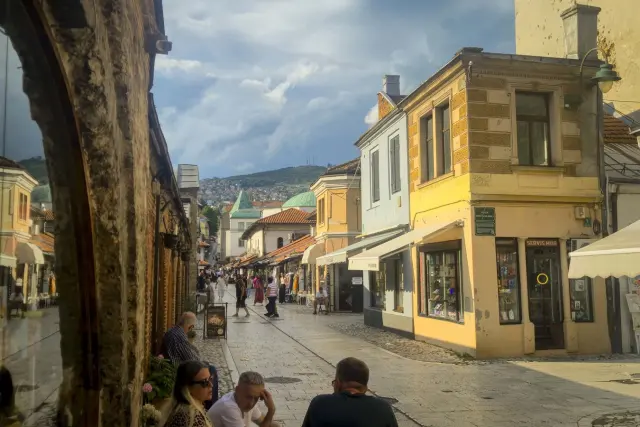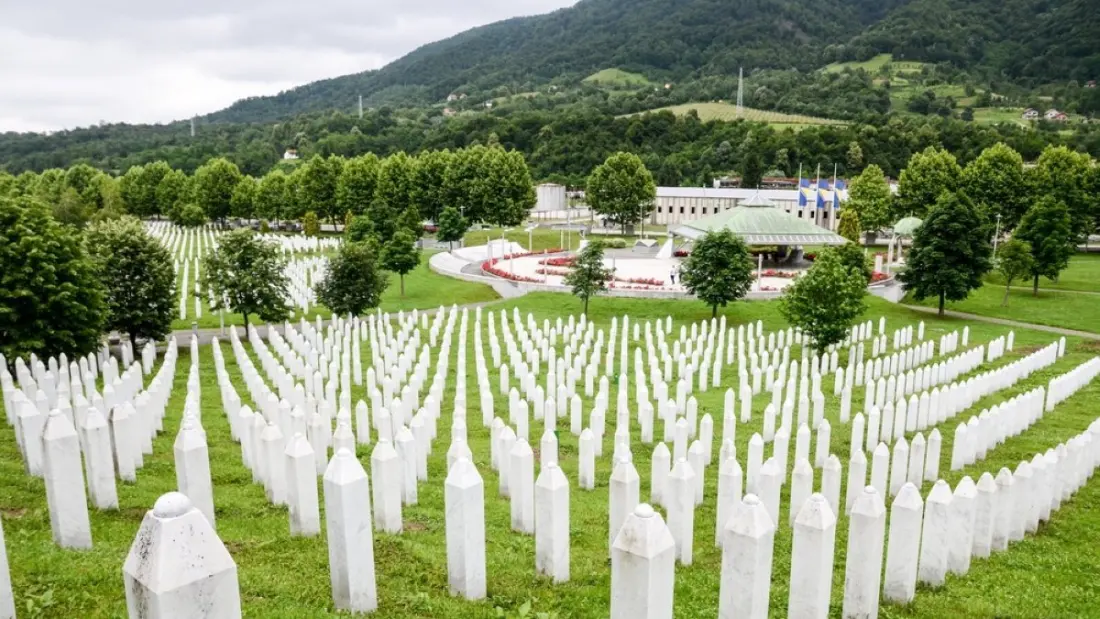
The Srebrenica Memorial Center in Potocari, Bosnia and Herzegovina, commemorates the more than 8,000 Bosniak men and boys murdered in July 1995 — Europe's worst atrocity since the Second World War. A recent opinion piece by Canadian political scientist Farhan Mujahid Chak argues that the centre, far from being a settled historical site, is now under active political threat.
The centre's director, Emir Suljagic, is himself a genocide survivor. He has publicly warned that authorities in Republika Srpska, the Bosnian Serb entity, may be preparing coercive measures against the institution — including, in his words, the possibility of a police operation designed to intimidate staff and leadership. Suljagic believes transparency is the centre's best defence, since secrecy only helps those seeking to undermine it.
Chak describes his own 2021 visit, during which he witnessed a driver accelerate toward a group that included women wearing hijab outside the centre, swerving away at the last moment while shouting abuse. The incident, he writes, shows the memorial itself has become a target of resentment — its rows of white gravestones and preserved testimonies confronting those unwilling to accept what happened.
Legally, the question is closed. The International Criminal Tribunal for the former Yugoslavia ruled in Prosecutor v. Radislav Krstic that genocide was committed at Srebrenica, a finding the International Court of Justice later reaffirmed. The UN General Assembly has designated July 11 as the international day of commemoration for the genocide. Politically, however, denial persists — and genocide scholars consider denial the final stage of the crime itself, an attempt to erase victims from the historical record.
The piece also highlights survivor Almasa Salihovic, now an educator at the centre, who told a UN event in New York about the responsibility survivors carry to educate future generations. Chak's argument is that the centre is not merely a museum: it holds forensic evidence, survivor testimony and judicial archives that underpin international criminal accountability. He calls on the EU, universities and civil society to actively defend it, rather than limiting their engagement to July commemorations.
For travellers, this is a reminder that some of the most meaningful sites in Europe are living institutions, not frozen monuments. Tens of thousands of people visit Potocari each year, many around the July 11 anniversary. A visit there — like a visit to Auschwitz or the Kigali memorial — is an act of bearing witness, and the people who run these places do demanding, sometimes dangerous work. Chak's central point is blunt: when institutions of memory become targets, silence is not neutrality. If Srebrenica matters to Europe's post-war promise of "Never Again," then the institution preserving that history deserves protection year-round, not just solemn speeches once a summer.