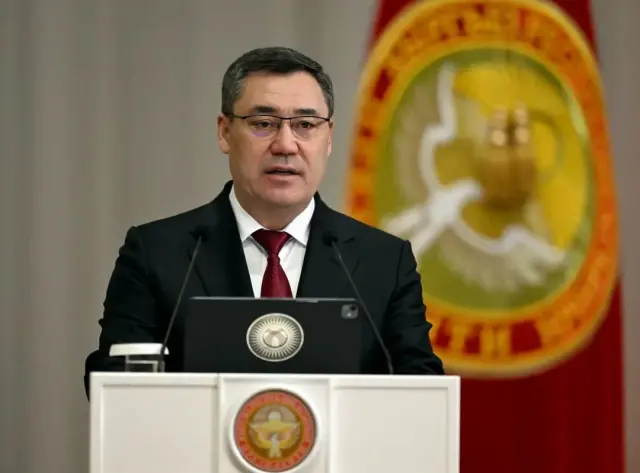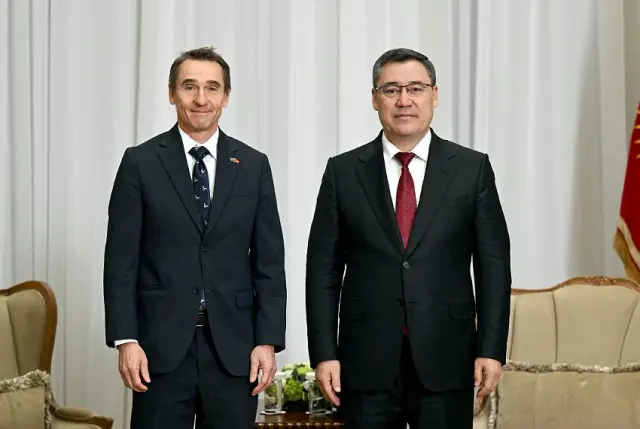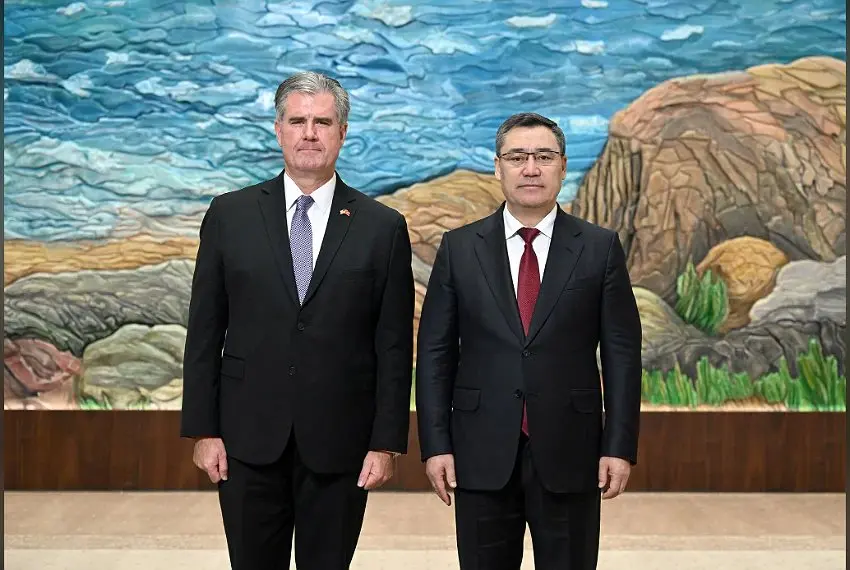
Kyrgyzstan's President Sadyr Japarov has sat down with Steven Gillen, the newly appointed US Ambassador to Bishkek, in a meeting that signals a warming phase between the two countries. The talks, confirmed by the presidential press service, centred on economic cooperation, American investment and a handful of joint projects — including ones involving aircraft maker Boeing and rail technology firm Wabtec.
The timing matters. The two countries will mark 35 years of diplomatic relations in 2026, and Japarov used the meeting to look back as well as forward, thanking the US for its support during Kyrgyzstan's early post-Soviet years and saying he wants to lift bilateral ties to a new level. He also flagged American efforts to engage more with Central Asia as a whole, a region that has been quietly building closer economic bridges with Washington.
The substance of the discussion covered trade, banking and finance, mining and energy — the usual heavyweights of the Kyrgyz economy. Japarov also referenced his own working visits to the United States and stressed that joint projects with Boeing and Wabtec should continue, suggesting those deals have moved beyond the photo-op stage. For the aviation side especially, that is the detail most relevant to anyone who flies in or out of the country: fleet modernisation and airline partnerships tend to follow this kind of high-level politicking.
Ambassador Gillen, for his part, praised Kyrgyzstan's economic trajectory and said the US is keen to expand the partnership. He also congratulated the country on a significant diplomatic coup: election as a non-permanent member of the UN Security Council for 2027–2028, a notable achievement for a small Central Asian state of roughly seven million people. Both sides ended the meeting promising to deepen cooperation across sectors.
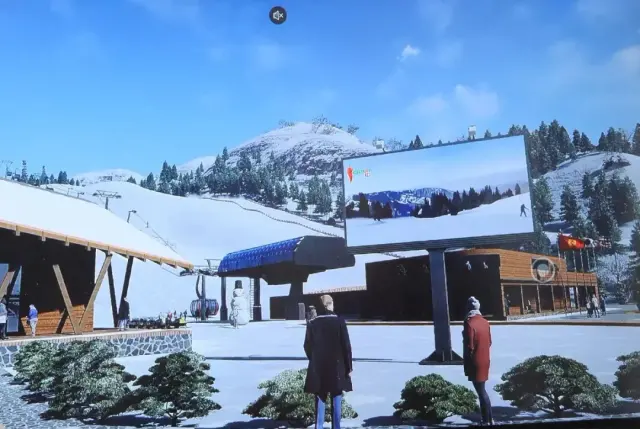
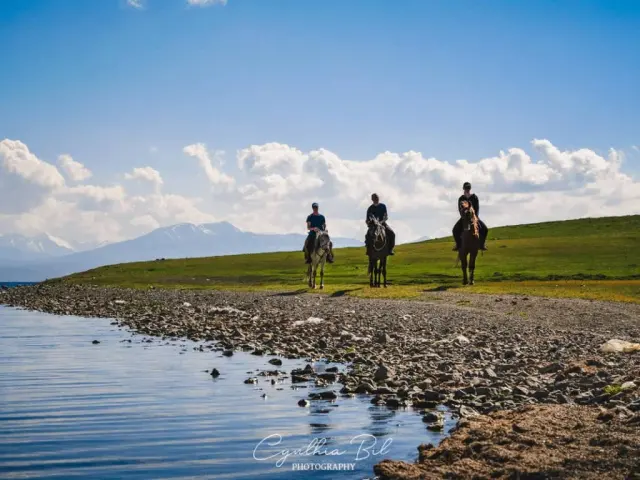
So why should a traveller care? Directly, this is diplomatic housekeeping rather than holiday news. But indirectly, it maps onto a broader trend: Kyrgyzstan has been working hard to raise its international profile, and that usually trickles down into easier visas, better flight connections and growing tourism infrastructure. The country already markets itself on spectacular, uncrowded terrain — alpine lakes like Issyk-Kul, horseback trekking around Song-Kul, and the Tian Shan mountains — and remains one of Central Asia's most affordable and visa-friendly destinations for many Western passport holders. If US-Kyrgyz economic ties deepen, expect more route announcements and hotel investment to follow over the next few years.
For now, the takeaway is simple: Kyrgyzstan is open for business, courting American companies, and preparing for a higher-profile role on the world stage. Travellers who like a destination before the crowds arrive have a narrowing window — the mountains and the lakes are still blissfully quiet, but a country this keen on foreign investment rarely stays secret for long.