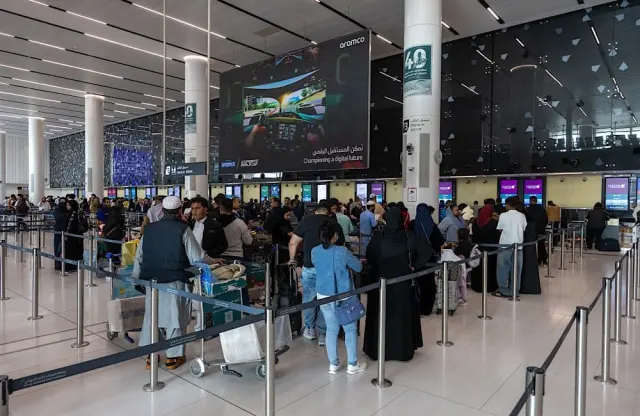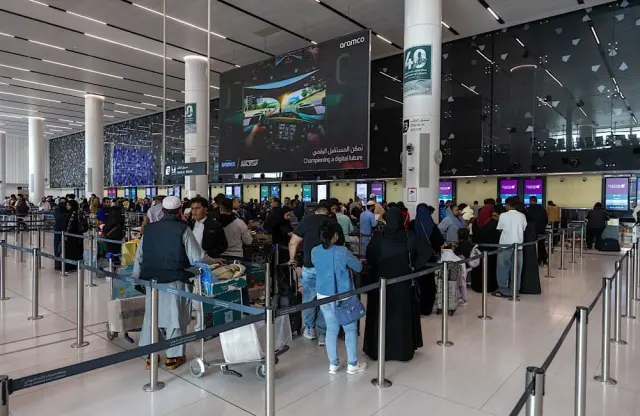
Saudi Arabia's aviation system is under serious strain. Aviation analytics firm Cirium reports that 322 of 941 scheduled flights departing the kingdom — around 34% — were canceled or failed to operate on Monday, following attacks by Iran-aligned Houthi rebels. The day before was even worse, with more than half of all scheduled departures affected.
The disruption follows a strike on King Khalid International Airport in Riyadh on October 10 that killed 12 people and injured many more. That airport reopened on Sunday after a full week of closure, but most international and regional carriers are still keeping their Riyadh routes suspended, so the reopening has yet to translate into a normal schedule.
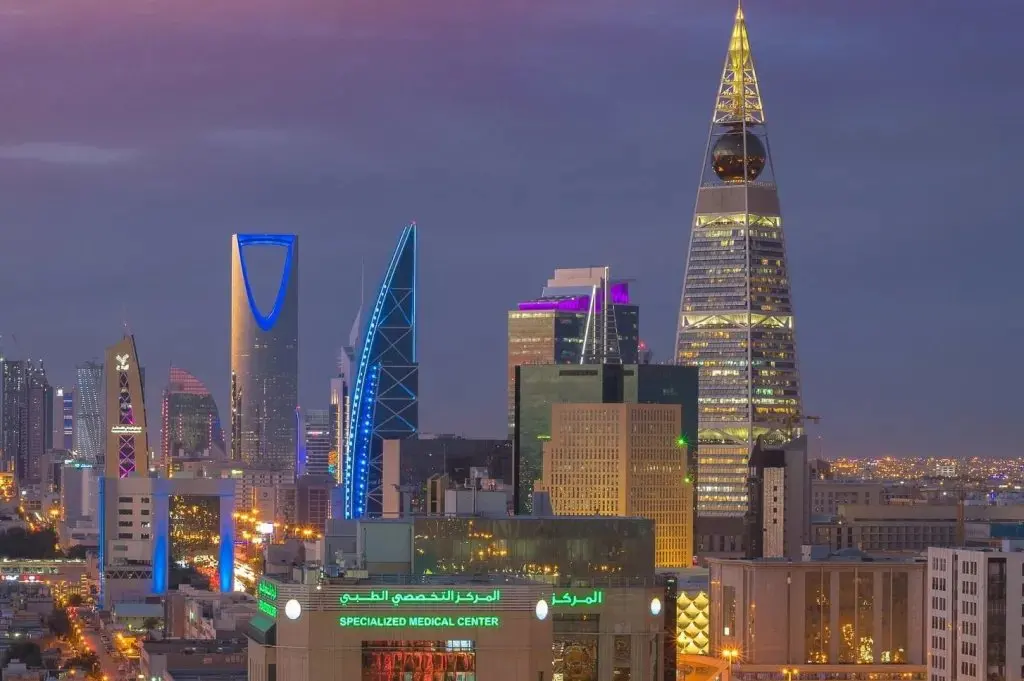
The pain is not evenly spread. Riyadh's King Khalid airport recorded the highest cancellation rate on Monday at 66%, followed by Abha in the country's southwest at 48%, Dammam in the Eastern Province at 31%, and Jeddah — Saudi Arabia's main gateway for pilgrims and Red Sea holidays — at a comparatively lower 15%.
The timing compounds the damage. Several high-profile events in the kingdom have been postponed, and Skift flags Riyadh Air, Qatar Airways and the broader meetings-and-events (MICE) sector among those affected. For a country trying to position itself as a global business and tourism host, a week of unreliable skies is a significant setback.
If you have flights booked to or through Saudi Arabia, assume your plans may change at short notice. The key takeaway from the data: conditions were improving day by day, but Riyadh remains the most fragile node, with two-thirds of departures still not operating as recently as Monday. Anyone with essential travel should check directly with their airline rather than relying on the airport's status, and consider whether a routing through Jeddah — where cancellations were far lower — makes sense. Travellers who can postpone non-urgent trips until schedules stabilise will likely save themselves costly rebooking headaches.