A powerful earthquake struck western Colombia on 10 August, with its epicentre near Quibdo, the capital of Choco province. Nearly three months on, the recovery is visibly lagging behind the need — and that's shaping life in a region adventurous travellers sometimes pass through on the way to Colombia's Pacific coast.
The numbers are stark. Colombia's disaster risk agency, UNGRD, says 489,862 people were affected and 244,367 homes damaged or destroyed. In Choco, only about 2,847 families have received rental help or a one-off payment of 800,000 pesos (roughly US$250) — around 17% of the nearly 17,000 families on the official victims' registry. In Quibdo neighbourhoods like El Futuro and Las Palmas, residents describe fighting to get registered, then waiting months for the promised subsidies and building materials. Some are paying out of pocket to demolish unsafe structures themselves.
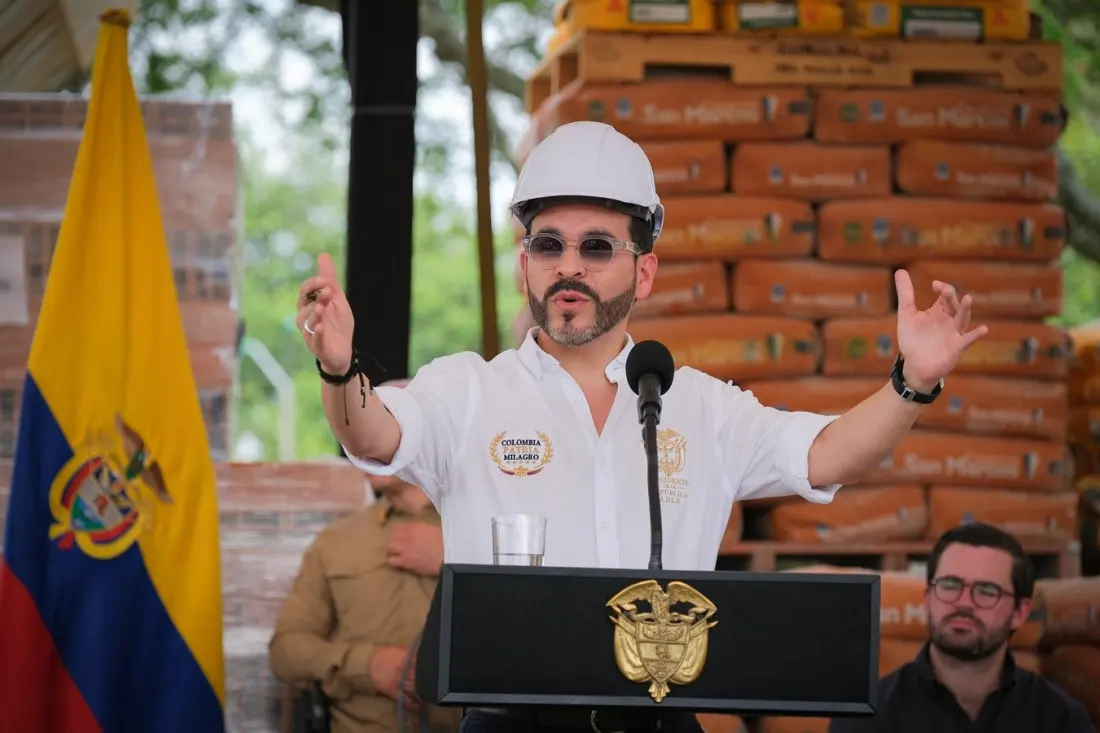
The government's response vehicle, the 'Miracle Fund' created by President Abelardo De la Espriella's administration, took 66 days to launch after the quake, with its board only holding a first meeting on 15 October. About 624 billion pesos (around US$200 million) has been allocated, but questions linger over how much total money will materialise and how transparently it will be spent. The first lady's foundation, Colombia Luz y Sonrisas, has separately raised more than 54.6 billion pesos (about US$17.5 million) in private donations, and some companies are bypassing the fund entirely to rebuild directly. Locals in Pereira, another hard-hit city, are pressing for help activating insurance and negotiating with builders — economist Humberto Tobón estimates 83% of damaged homes there were uninsured.
Why does this matter to travellers? Choco is one of Colombia's least-developed regions, prized for whale watching off the Pacific coast, jungle lodges and Afro-Colombian culture — but it has fragile infrastructure even in normal times. Anyone planning travel through Quibdo or surrounding areas should expect ongoing reconstruction, possible damage to local accommodation and services, and communities under real strain. If you go, patronising local businesses is genuinely consequential right now; some families have lost their livelihoods as well as their homes, with small shopkeepers hit especially hard.
There's also a broader lesson for anyone travelling in earthquake-prone parts of Latin America: recovery often takes months, not weeks, and disaster zones can remain functionally open to visitors long after the headlines fade — for better and worse. Check current conditions with operators on the ground before committing to itineraries through Choco.
For affected families, though, this isn't a travel story. It's a question of when promised aid will arrive — and with reconstruction barely underway ten weeks in, patience in Quibdo and Pereira is running out.
Colombia One