Australia has moved Saudi Arabia to its highest travel warning level. The Department of Foreign Affairs and Trade upgraded its Smartraveller advice to 'do not travel', the most serious of its four tiers, telling Australians to postpone all trips to the Gulf kingdom — including religious pilgrimages such as Umrah and Hajj, which attract thousands of Australian travellers every year.
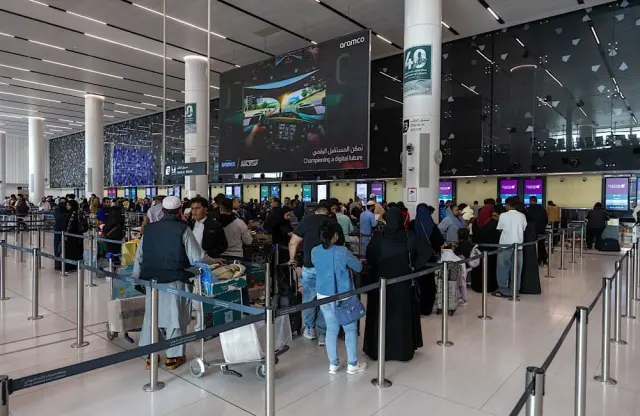
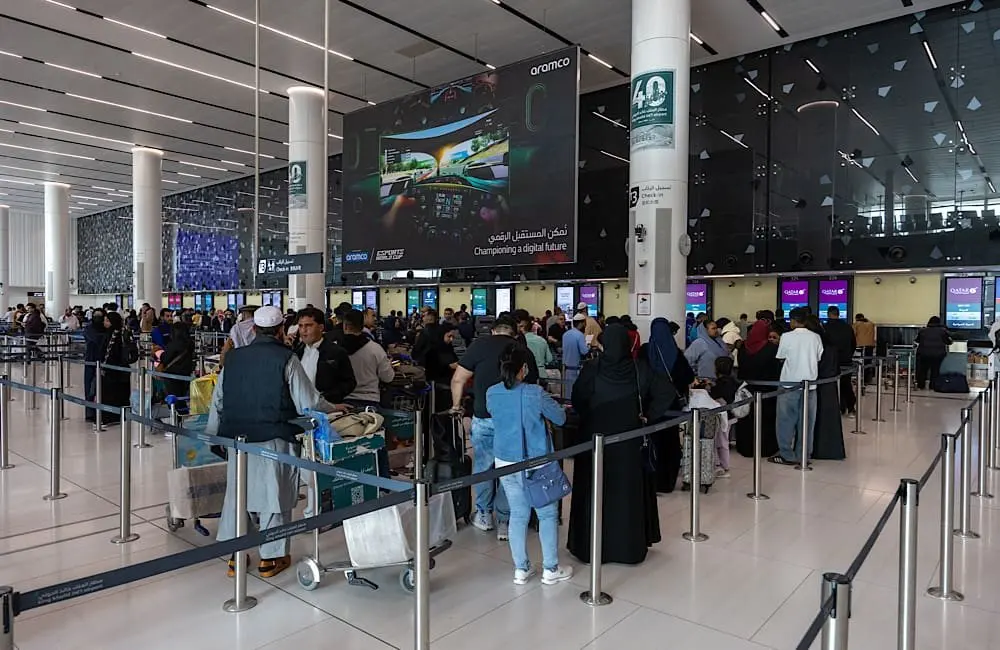
The trigger is a deteriorating security picture. Houthi rebels have threatened to target Saudi airports and airspace, and recent strikes have significantly disrupted air travel at every major hub in the country. Riyadh's King Khalid International Airport has been singled out with its own 'do not travel' advisory after attacks shuttered the airport; it has since reopened, but many airlines have not yet resumed services to the Saudi capital or other Saudi destinations.
There's a hard financial edge to this warning, too. Travelling against a level 4 advisory usually voids or restricts travel insurance, so anyone who goes anyway may find themselves uncovered if something goes wrong — including for medical costs, cancellations or evacuation.
For Australians already in the country, DFAT's guidance is practical: reconsider flying altogether. Where it's safe to do so, the department suggests alternatives such as private car, train or bus, including travelling overland to aviation hubs in the UAE and Qatar, where advice levels for Qatar, Dubai and Abu Dhabi have recently been lowered. Anyone who does fly is told to reconfirm their flight with the airline before setting off for the airport, keep a close eye on airline updates, and limit time spent inside terminals. Those staying put are advised to be ready to shelter in place at short notice, with enough food, water and essentials on hand. The Consular Emergency Centre, listed on the Smartraveller site, is the contact point for Australians needing urgent help.
Why does this matter beyond a relatively small number of Australian holidaymakers? Because it lands squarely on the pilgrimage calendar. Umrah travel runs year-round and Hajj is a once-in-a-lifetime trip for many, often booked months ahead through tour operators. If you or family members have a pilgrimage booked, this advice is the cue to speak with your operator and insurer before the next departure date — and to check whether rebooking or refund options apply. Travellers with connecting itineraries through Saudi hubs should also review routings, as the disruption is not confined to Riyadh.
The situation is fluid, so check Smartraveller directly before making or changing any plans.