
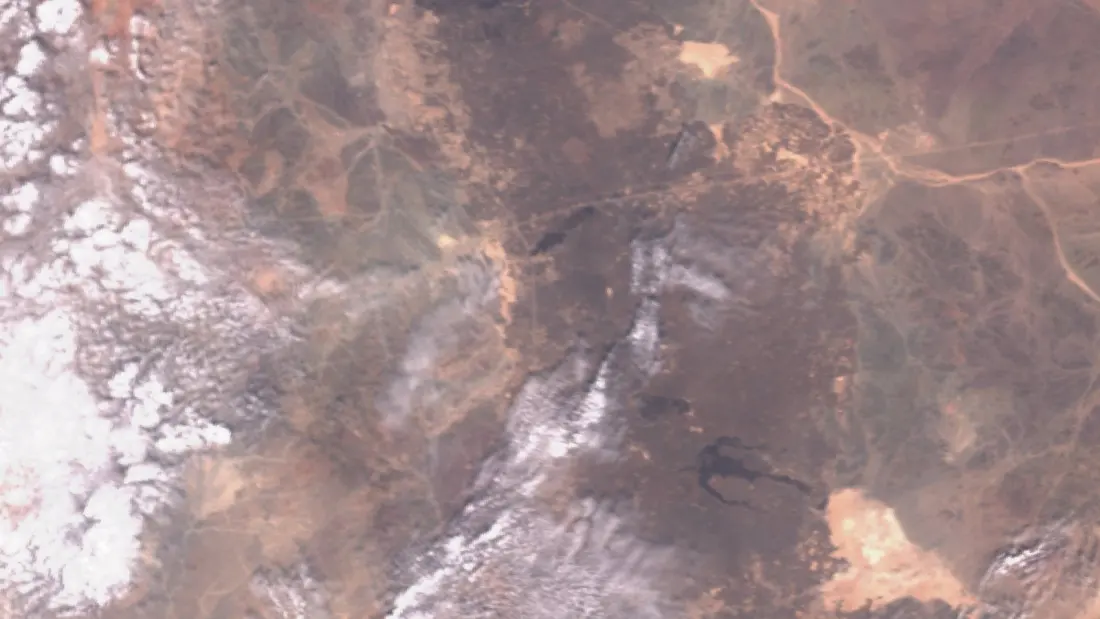
Saudi Arabia has switched off its East-West oil pipeline after a series of attacks struck it on a Thursday morning in the Riyadh and Medina regions, leaving several people injured. The Energy Ministry announced the shutdown as a precaution while emergency and technical teams moved in to secure the route and assess damage.
The pipeline, one of the kingdom's strategic arteries, carries crude from the oil-rich east across the country to the Red Sea coast — passing close to the regions around both Riyadh and the holy city of Medina. An official told the state-run SPA news agency that the line came under several attacks on Thursday morning and was stopped to prevent further risk. The number of casualties and their conditions were not disclosed, only that the injured received medical care.
So far, no one has claimed responsibility and the ministry has not detailed what kind of strikes hit the line. Officials have promised updates as the situation develops. That silence on the perpetrators and the nature of the attack leaves open questions about whether further disruption could follow — to the pipeline itself or to the wider area.
For travellers, the immediate picture is this: the story is about energy infrastructure, not tourism sites, and Medina's flight connections and pilgrimage routes have not been reported as affected. But the attack happened in two of the country's most significant regions — Riyadh is the capital and main business hub, while Medina draws millions of religious visitors each year — so anyone with trips booked to either city should keep an eye on official travel advisories in the days ahead. The UK Foreign Office, US State Department and other advisories typically update their guidance quickly after incidents like this, and it's worth checking your government's current stance before flying.
Saudi Arabia has spent recent years opening up to leisure tourism with e-visas, the futuristic projects around the Red Sea coast and a growing events calendar in Riyadh and Jeddah. Incidents like this are a reminder that the security situation can shift, and that travel insurance covering disruption is a sensible buy for trips to the kingdom. If your itinerary doesn't pass through the affected regions — say, you're heading to Jeddah or the coast — there's no indication yet that your plans need to change. Still, monitor local news, register with your embassy if your country offers it, and keep contact details for your airline handy in case schedules shift. We'll update this story as the ministry announces further developments.
Story via Daily Sabah Travel.