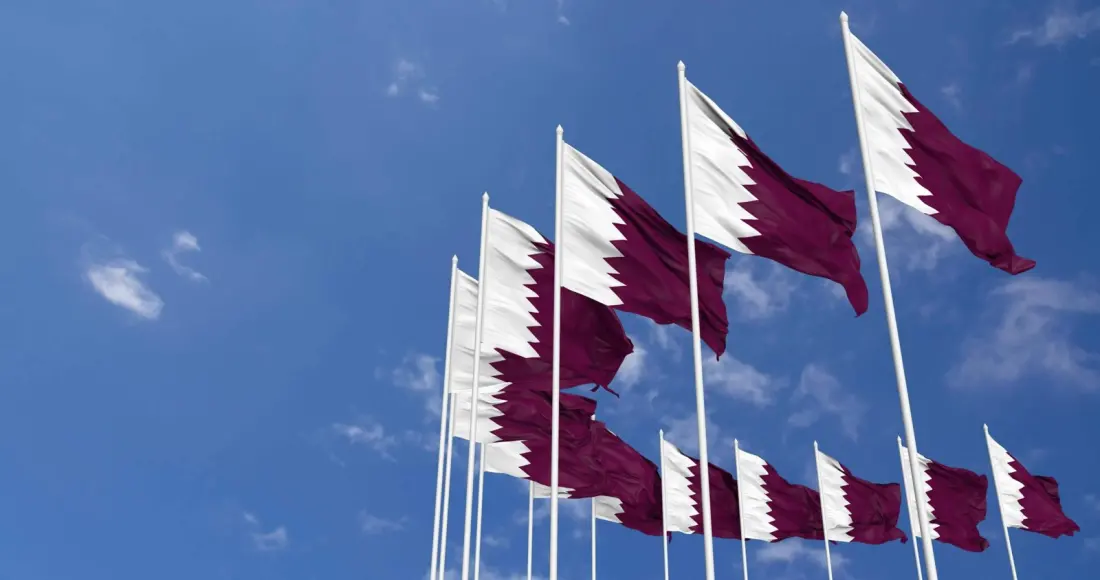
Diplomats from Saudi Arabia, Türkiye and Pakistan flew into Tehran this week for a four-party security meeting with Iranian officials, with Qatar playing mediator behind the scenes. The agenda covered regional security mechanisms, Lebanon and Palestine, and what Iranian officials called the consequences of attacks against Iran.
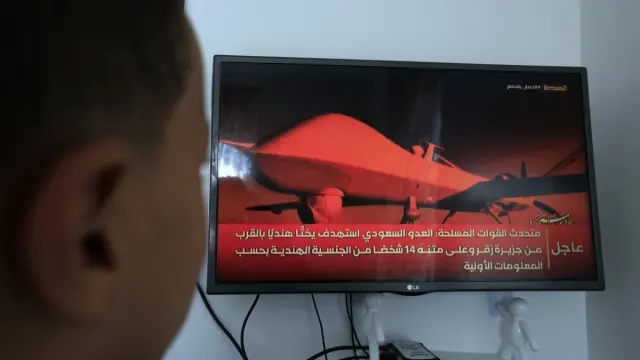
For travellers, the backdrop matters more than the talking points. Saudi Arabia is under active threat from Yemen's Houthi movement, which has fired missiles and drones at civilian airports and critical infrastructure. The U.S. mission in Saudi Arabia issued a security alert on 25 October ordering non-emergency U.S. government staff and their families out of the country, effective 23 October. It also said U.S. government employees now need special authorisation to use any Saudi airport.
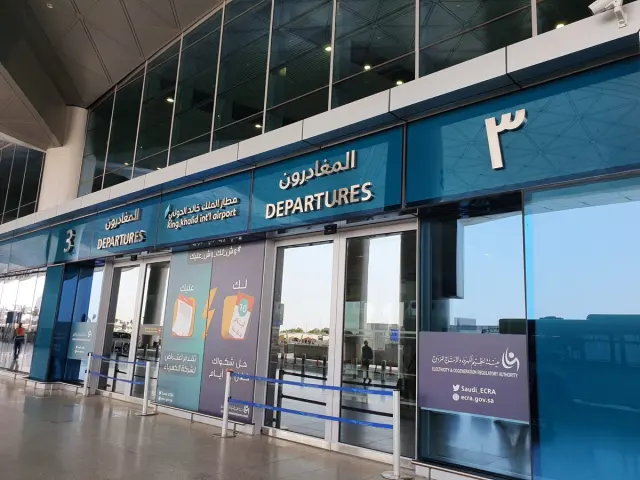
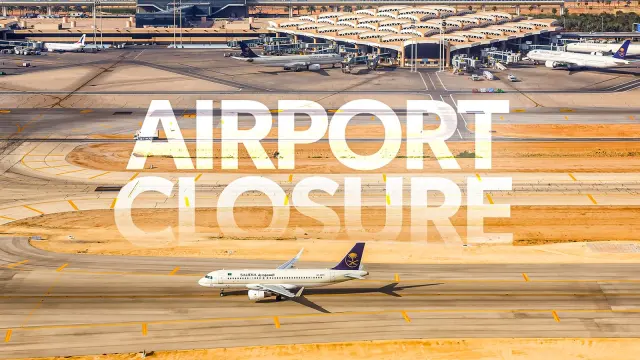
The practical picture on the ground is patchy. Riyadh's King Khalid International Airport partially reopened on Sunday, but only for domestic flights and some international services run by Saudi carriers. Airports in Jeddah and Dammam stayed open, though both have seen delays and cancellations. The U.S. alert warns the hostilities could escalate quickly beyond the immediate area.
The diplomatic track, at least, is moving. Saudi Deputy Minister for Public Diplomacy Rayed Krimly framed the Tehran meeting as part of de-escalation efforts supporting mediation led by Qatar and Pakistan, with the countries involved tied together by the Mecca Joint Defence Agreement. Iran's side described it as a step toward wider regional security cooperation. Saudi Defence Minister Prince Khalid bin Salman, Pakistan's Army Chief Field Marshal Asim Munir and Türkiye's intelligence chief Ibrahim Kalin led their delegations, and a Qatari delegation visited Tehran on Sunday as part of the same negotiation push.
If you have a trip to Saudi Arabia booked or planned, this is a situation to watch rather than one to ignore. The U.S. mission urges travellers to exercise extreme caution and to check flight status directly with airlines and airports rather than assuming published schedules hold. Connecting itineraries through Dammam, Jeddah or Riyadh should come with generous buffer time, and travellers from countries with their own travel advisories should monitor those too — several are likely to align with or echo the U.S. position.
Until the Houthi attacks stop and the partial airport reopening becomes a full one, Saudi Arabia is a trip to book flexibly: refundable fares, comprehensive insurance that covers disruption, and a willingness to reroute if things deteriorate.