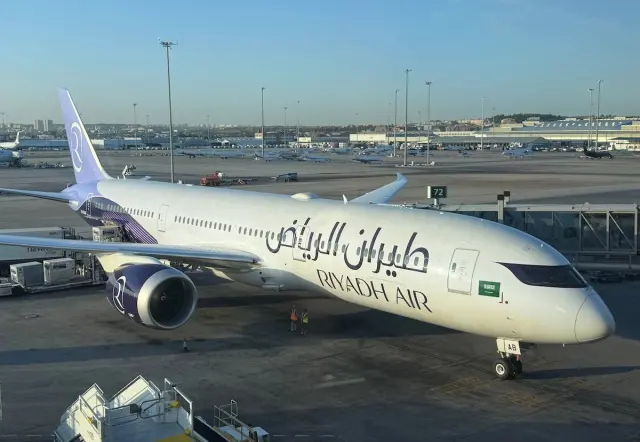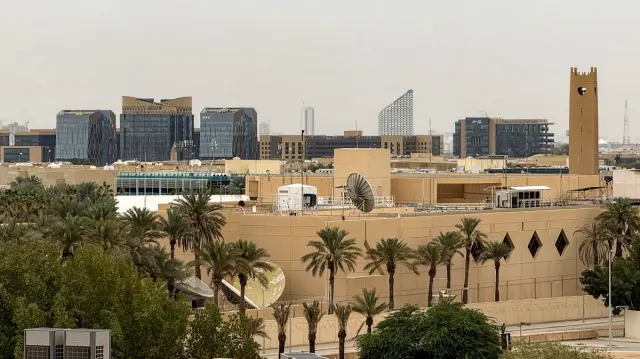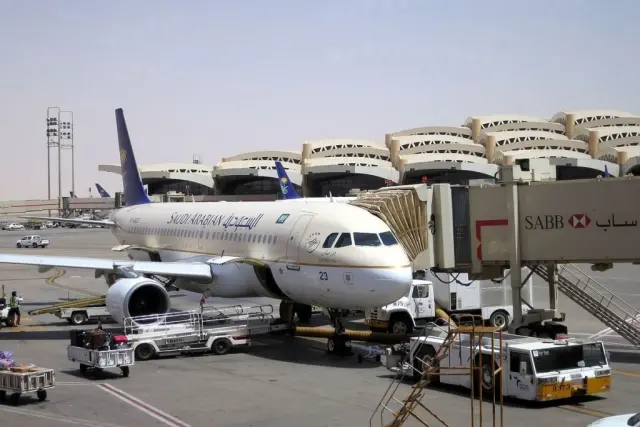
King Khalid International Airport in Riyadh has started accepting flights again after a two-week shutdown, but the reopening is happening while missiles and drones are still being intercepted over the Saudi capital. Three explosions were heard in the city in the early hours of Sunday, with residents receiving alerts about hostile aerial threats and told to stay in safe locations. The Saudi-led coalition said it shot down a ballistic missile aimed at Riyadh plus two drones near the capital.
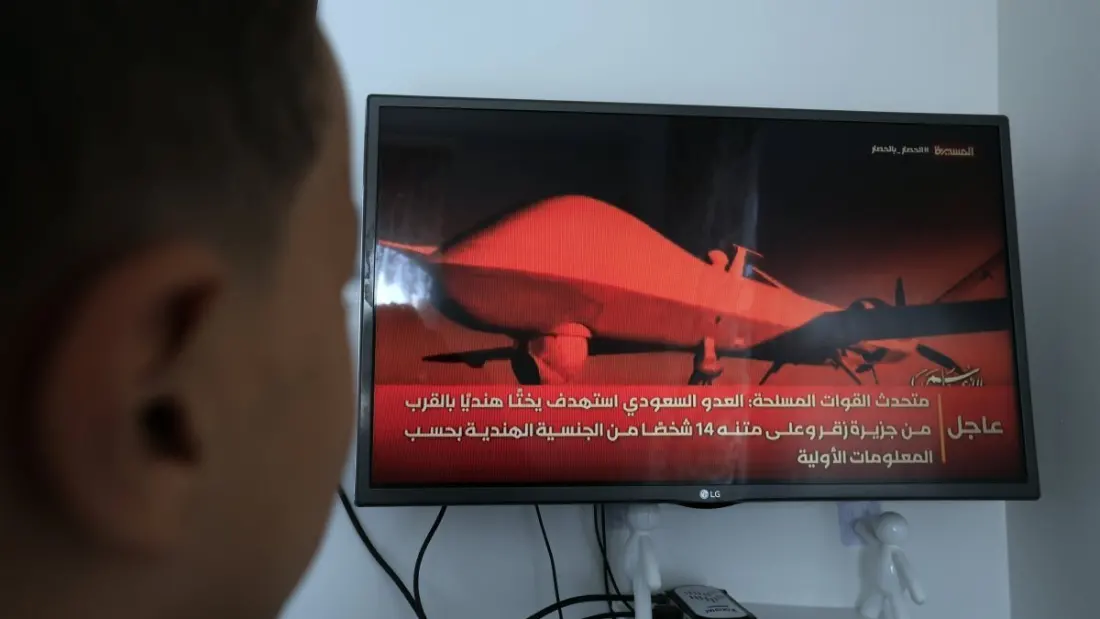
The airport closed after a Houthi strike earlier this month that killed 13 people and wounded more than 300 — the deadliest attack inside the kingdom in over a decade. The Iran-backed Houthis, who have been fighting a Saudi-led coalition, claim they hit three Saudi airports in a single 24-hour window, along with energy installations, a pipeline and an air base. Their military spokesman, Yahya Saree, publicly warned airlines, staff and passengers that Riyadh's airport remains "unsafe" and a "military target."
The strikes aren't limited to the capital. The coalition said it intercepted 10 missiles fired at southern Saudi Arabia, including a cruise missile aimed at Khamis Mushait, with air-raid warnings also issued for Abha and Namas Governorate. One Khamis Mushait resident described the bombardment as heavy enough that "everything is shaking." Saudi civil defence also reported responding to falling debris in the Mecca and Medina regions after intercepting two missiles — a claim the Houthis deny.
The fighting began after a years-long truce between the Houthis and Yemen's Riyadh-backed government collapsed. Last month the Houthis took control of Yemen's entire Red Sea coast in a rapid offensive, further destabilising the region and shaking oil markets. Saudi Arabia, the world's largest crude exporter, is seeing airlines, businesses and daily life disrupted — and the violence is undermining its efforts to present itself as an emerging tourism and business destination.
For travellers, the message is blunt: Saudi Arabia is currently an active conflict zone. Airspace and airport operations are volatile, warnings can change at short notice, and both commercial flights and southern cities like Abha — once a popular domestic cool-weather escape — are within range of attack. Anyone with trips booked to the kingdom, or connections through Riyadh, should monitor their airline and their foreign ministry's travel advice closely, expect cancellations, and review whether travel is necessary at all right now.
Story via Daily Sabah Travel.