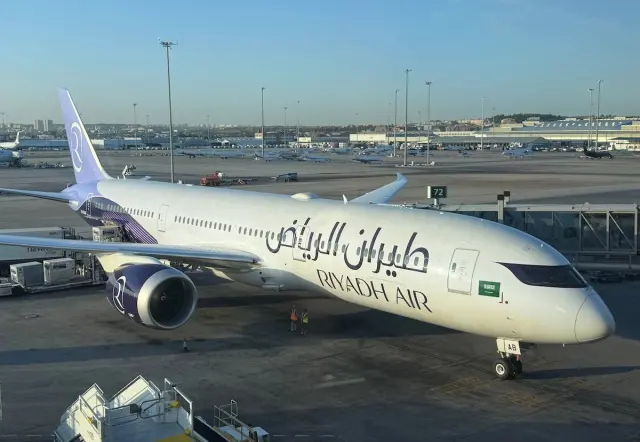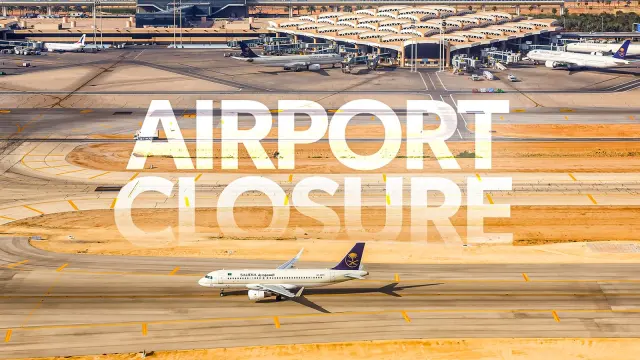
King Khalid International Airport in Riyadh resumed international operations on Sunday 25 October, two weeks after a Houthi missile strike forced its closure. Terminals 1 and 2 are handling arrivals again, with scheduled flights from Cairo, Dubai and Paris — though flight trackers showed most services still cancelled on reopening day. Domestic flights had already restarted in the days before.
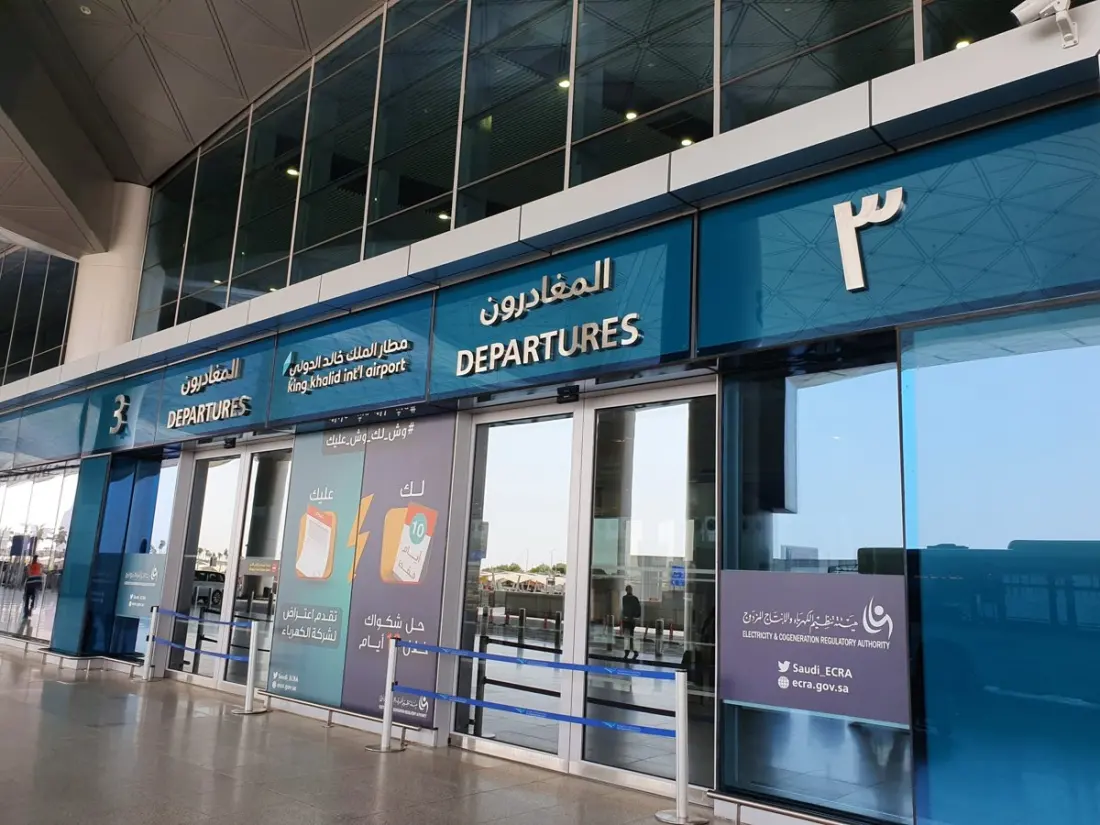
The shutdown began on 10 October, when a Houthi cruise missile hit the complex housing Terminals 3 and 4, killing 13 people and injuring more than 300. The wider wave of attacks on Saudi air hubs — Abha, Riyadh and Dammam — has left at least 22 people dead.
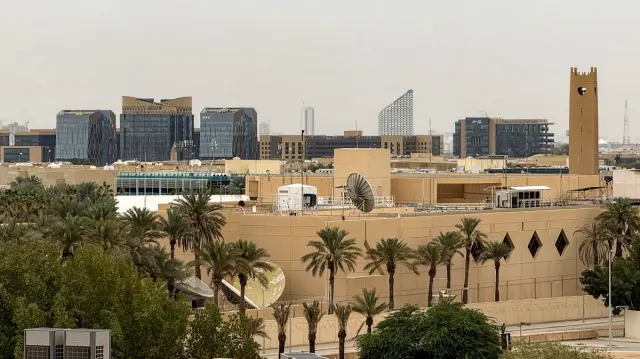
The danger has not gone away. On the very morning the airport reopened, Riyadh residents received an emergency aerial-threat alert, and military spokesperson Major General Turki al-Malki said Saudi air defences had destroyed ballistic missiles aimed at the capital and the south the same day. Two people were injured in southern regions, with images showing damaged buildings. Saudi authorities had already warned travellers to double-check their booking and flight status before setting out for the airport.
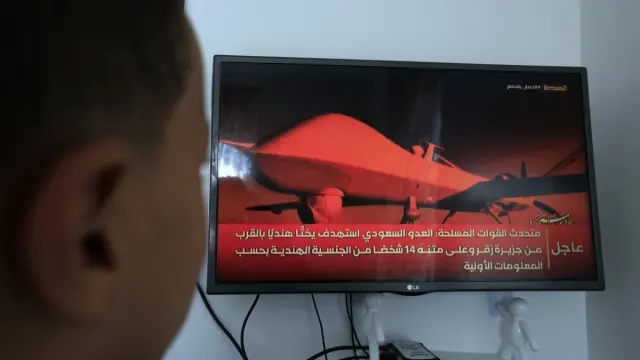
The Houthis, armed and trained by Iran, have made clear they are not done. Their spokesperson Yahya Saree warned airlines, staff and passengers that King Khalid Airport remains "unsafe" and that the rebels still treat it as a military target — an unusual, explicit threat against a civilian aviation hub. The UK's FCDO has updated its Saudi travel advice accordingly, pointing to the ongoing targeting of the airport and broader terrorism risk.
The disruption reaches well beyond arrivals boards. Riyadh had packed its autumn calendar with major international events, and most have now been postponed or disrupted: the Future Investment Initiative conference pushed to 2027, along with the UN World Data Forum, the Second Saudi Statistical Forum, the Six Kings Slam tennis and the Saudi World Rally Championship.
For anyone with travel plans to Saudi Arabia, the practical picture is this: the airport is technically open, but schedules are thin and volatile, and the airspace is anything but settled. Check your airline's status daily, monitor FCDO (or your own foreign ministry) advisories before booking anything, and be aware that Terminals 3 and 4 — the ones hit in the strike — remain out of the picture. If your trip is time-critical or event-dependent, build in serious contingency or consider routing through other Gulf hubs such as Doha or Dubai until the situation stabilises.