
Saudi Arabia has temporarily closed its East-West Pipeline as a precaution after a series of attacks in the Riyadh and Medina regions left several people injured. The closure was confirmed on Friday, a day after the incidents, with emergency and technical crews sent to secure the pipeline and check its safety. Authorities have not named those responsible, and no group has claimed responsibility so far.
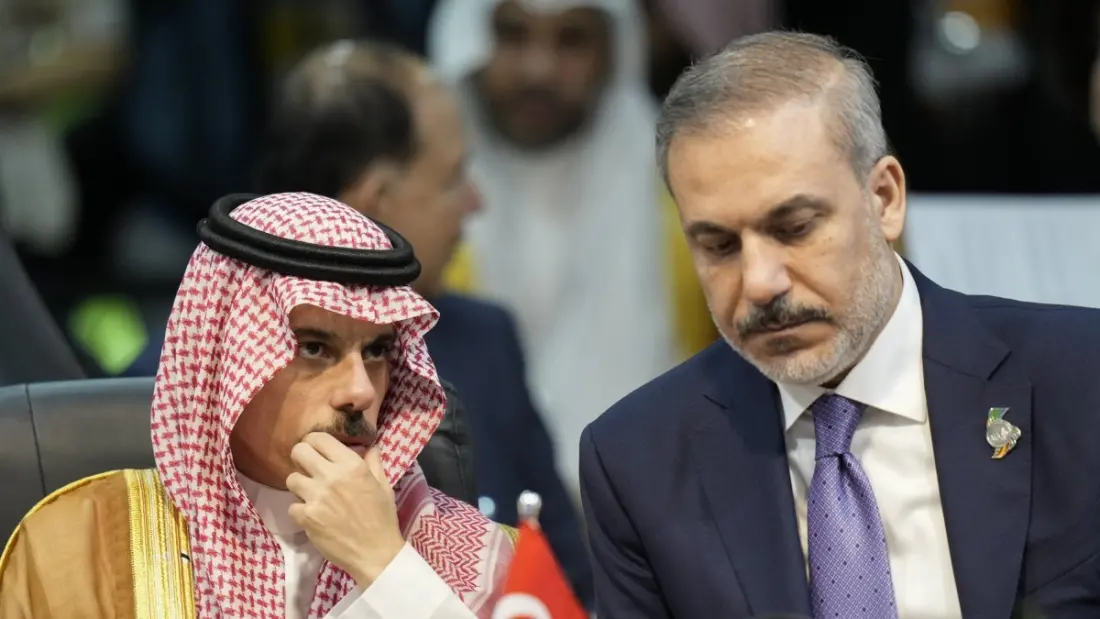
The diplomatic fallout was quick. Turkish Foreign Minister Hakan Fidan spoke by phone with his Saudi counterpart about the attacks and wider regional developments, according to a Turkish diplomatic source. The call underlines how closely Ankara is watching events in the Gulf — and it comes barely a month after Türkiye, Saudi Arabia and Pakistan signed a joint defence agreement that includes a mutual defence clause modelled on NATO's Article 5.
For travellers, the practical picture is this: the attacks happened inland, around Riyadh and Medina, rather than in the coastal hubs most visitors pass through. The East-West Pipeline runs across the country from the oilfields of the east to the Red Sea, but its closure is an infrastructure and security measure, not a transport shutdown. Airports, trains and roads are operating normally as far as officials have indicated. Still, anyone with trips booked to Riyadh, Medina or elsewhere in the Kingdom should keep an eye on their foreign ministry's travel advice in the days ahead, since assessments can change quickly after incidents like these.
It is also worth remembering the context. Saudi Arabia has spent recent years opening up to tourism — e-visas, new Red Sea resorts, and a fast-growing events calendar in Riyadh and Jeddah — and visits by foreigners have climbed steadily. Incidents like this are a reminder that parts of the region remain politically volatile, and that a flexible booking and comprehensive travel insurance are sensible additions to any Saudi itinerary.
If you are already in the country, standard advice applies: avoid large gatherings and demonstrations, follow local authorities' instructions, and monitor local news. Religious sites in Medina and Mecca remain accessible to permitted visitors, and there has been no indication that the attacks affected pilgrim or tourist infrastructure.
For now, this is a story to watch rather than one to cancel plans over — but it is a good moment to double-check bookings, register with your embassy if your country offers that service, and stay informed if Saudi Arabia is on your list for the coming months.