Every November, thousands of Australian school leavers head overseas to celebrate the end of exams — and every year, some come home with medical bills nobody planned for. The Government's Smartraveller service has issued a timely warning for parents: comprehensive travel insurance may not pay out in exactly the situations schoolies are most likely to land in.
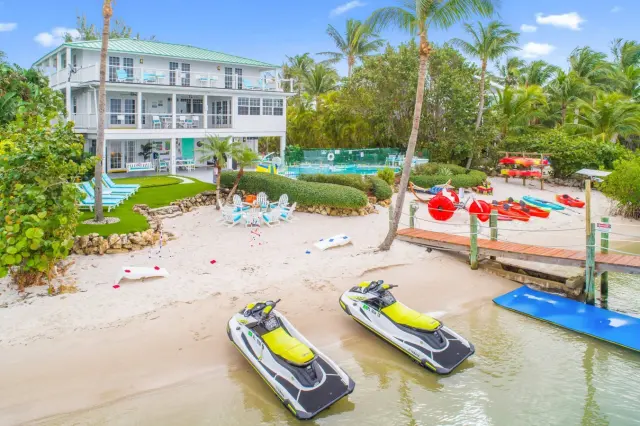
The big gotchas are alcohol and motorised fun. If a traveller is injured while under the influence, riding a scooter without the right licence or helmet, or behaving recklessly, the insurer can refuse the claim outright. Hiring a jet ski or quad bike can also fall outside a policy even when the traveller has paid for top-tier cover. The fix is unglamorous but essential: read the Product Disclosure Statement before departure, checking alcohol exclusions, scooter engine limits, licence requirements and whether activities like scuba diving need add-on cover. Policies must cover every destination on the itinerary, transit stops included, and pre-existing medical conditions need to be disclosed.
The financial reality is stark. Hospitals overseas generally bill the patient or their insurer, and some demand payment upfront before treating anyone. The Australian Government will not cover those costs, and consular officials can't post bail, pay fines or get anyone out of prison. Worth remembering that under-18s can be treated as adults in some legal systems — behaviour that earns a caution at home can mean an adult jail cell abroad.
There's a quieter danger too: methanol poisoning. Early symptoms can mimic a nasty hangover — abdominal pain, breathing trouble, vision problems — but may not appear for 12 to 24 hours, and an unusually severe or worsening hangover is a genuine warning sign requiring urgent medical care. Sticking to reputable venues, skipping free shots, avoiding drinks from unlabelled or homemade bottles, and choosing sealed branded beers, ciders and premixes all reduce the risk. Watching drinks being made and never leaving a mate who's suddenly unwell covers the drink-spiking side.
Smartraveller's practical checklist is worth a family conversation well before the flight: a doctor's visit six to eight weeks out to discuss vaccinations and destination health risks, hard copies of passport, visa, booking and emergency contact details in case a phone disappears, an agreed daily check-in time, and a group plan for what happens if anyone gets separated. Travellers should also confirm their medications are legal at the destination and keep the insurer's emergency assistance number somewhere they can actually find it. Two final rules that sound obvious but matter every year: no swimming after drinking, and no balcony silliness.
For parents, this isn't about wrapping teenagers in cotton wool — it's about making sure the fun ones and the unlucky ones both come home without a five-figure hospital invoice. A short conversation about insurance exclusions, local laws and check-in habits before departure is the cheapest travel protection there is.