Owning a place in Mexico is the easy part — selling one comes with a stack of fees and tax rules that catch plenty of foreign owners off guard. Here's what a seller actually pays, based on a detailed breakdown of the process.
Expect three big categories of cost. The first is estate agent commission: agents in Mexico typically charge 5% to 8% of the sale price, and you must add 16% sales tax (IVA) on top — so a 5% commission really costs 5.8%, and an 8% one costs 9.28%. You can sell without an agent, but a good one handles marketing, negotiation and much of the paperwork.
Second are professional fees. Mexico's Notary Public is central to any property transaction: if you don't use an agent, the notary usually drafts the sales contract, and each party pays for their own advisors. If your property sits in a bank trust (fideicomiso) — common for foreign owners in coastal areas — budget roughly US$1,000–1,500 for the trust cancellation fee.
Third, and most consequential, is capital gains tax. You'll pay either a flat 25% of the gross sale value with no deductions, or a sliding rate of roughly 1.92% to 35% applied to the actual gain. Assume the top 35% rate if your gain exceeds 250,000 pesos. The notary calculates and withholds the tax directly.
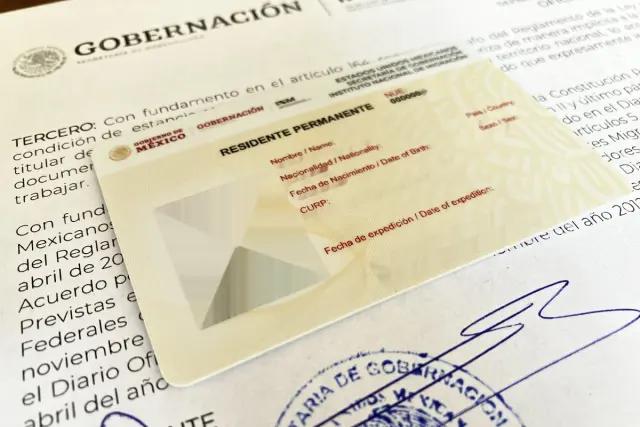
There's meaningful relief available, though. Mexican residents selling their primary residence can claim a one-time exemption worth 700,000 UDIs (around 5.9 million pesos currently) under Article 92 of the income tax law. You need a Mexican tax ID (RFC), the property must be your primary home, the land can't exceed three times the construction footprint, and you can only claim it once every three years. Co-title the home with a spouse or family member who also lives there as their primary residence, and you can double the deduction. Note that the law is ambiguous about whether foreigners on temporary versus permanent residency qualify — notary offices interpret this differently, so ask yours early.
You can also deduct capital improvements — extensions, pools, new rooms — plus some original purchase closing costs, but only with official invoices (facturas). Cash work without receipts is worthless at tax time, and routine renovations like a new kitchen don't count.
One quirk catches people out: in hubs like Puerto Vallarta, Los Cabos, San Miguel de Allende and the Riviera Maya, homes are often marketed in US dollars, but the deed and all capital gains calculations are done in pesos at the closing-day exchange rate. Currency swings can inflate or shrink your taxable gain in dollar terms.
If you're a non-resident without an RFC, the big exemption is off the table, though documented deductions still apply — and you may owe tax back home too, so get advice in both countries.
The takeaway for anyone with a Mexican holiday home or considering one: keep every factura from day one, talk to a notary long before you list, and budget realistically for agent commission plus tax. Mexexperience