Agave is the plant behind Mexico's most famous pours, but not all agave drinks are created equal. Three names come up again and again on any trip to the country — tequila, mezcal and pulque — and knowing the difference will make ordering at a bar (or shopping for a bottle to take home) a lot more rewarding.
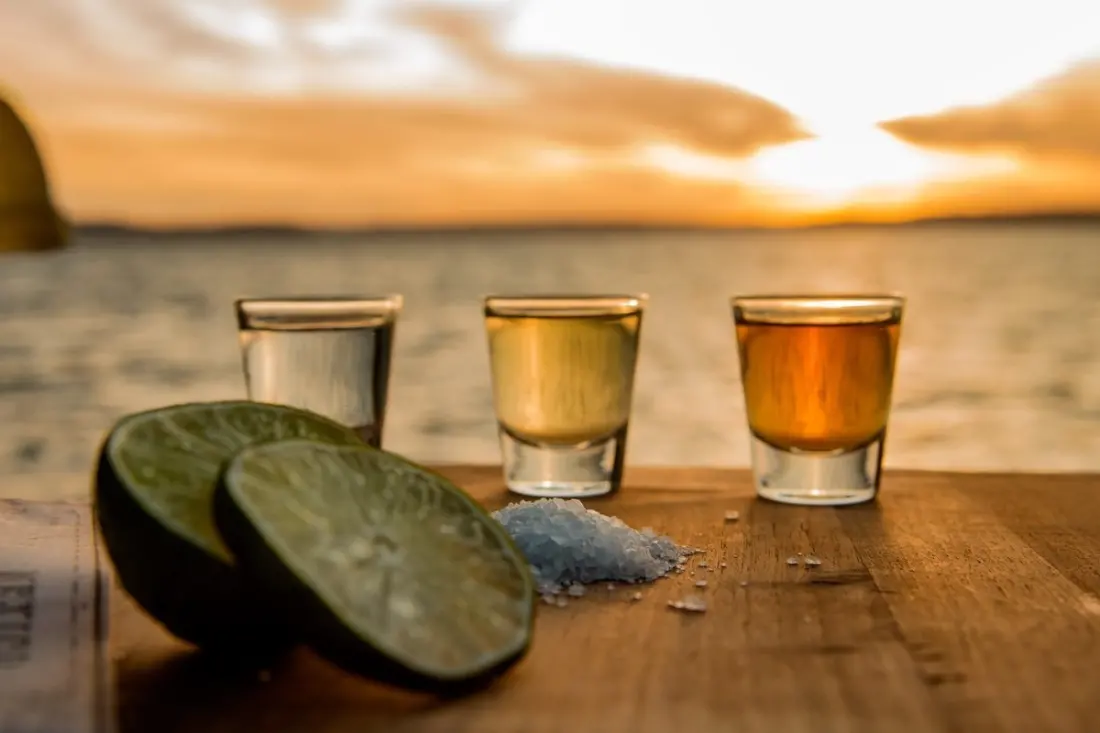
Tequila is the national icon, and its production is tightly guarded. Only a handful of Mexican states can legally make it, with the best examples coming from Blue Agave grown in the volcanic soils of Jalisco. The process involves harvesting the plant's hearts — called piñas — baking them slowly in ovens, pressing out the sweet liquid, distilling it and aging it in wood barrels. Strict labelling rules mean the bottle tells you exactly what you're getting: premium tequilas are 100% agave, while cheaper blends cut in cane sugar. Drink it neat or in a Margarita, its most famous cocktail.
Mezcal is distilled much the same way, but with one big difference: it can be made from nearly 30 agave varieties, though most use espadín. The result is a drink with a distinctly smoky character that many find is an acquired taste. Once semi-obscure, mezcal has surged in popularity, prompting Mexican regulators to step in and standardise production. Purists insist it should be sipped straight, traditionally with a pinch of sal de gusano — a salt ground with dried larvae and chiles. And yes, some mezcal bottles contain a worm at the bottom; it's purely a marketing gimmick with no effect on flavour, and tequila never has one.
Pulque is the odd one out. It predates them all, going back to Mesoamerican times, when it was an élite drink used in ceremonies and later valued as a medicinal tonic. Instead of baking and distilling, pulque is made by fermenting the raw sap — aguamiel, or 'honey water' — tapped from a cavity cut into the agave heart. The result is milky, viscous and slightly foamy, with a taste often compared to fermented oatmeal. It's usually served as a 'curado', blended with fruit pulps, nuts, spices or sweeteners, and should be drunk fresh — ask whether today's batch is the one in your glass.
The practical difference that matters most on a long afternoon: alcohol content. Tequila and mezcal typically hit around 40%, while pulque sits at a gentle 2-6%. Don't be fooled, though — regulars warn that pulque sneaks up on you, leaving your head clear and your legs decidedly uncooperative when you stand up.
For travellers, this trio is a shortcut into Mexican food culture well beyond the standard resort Margarita. A mezcal tasting in Oaxaca, a distillery visit in Jalisco's tequila country, or a pulquería stop in Mexico City each offer a very different — and very local — way to spend an evening. Look for 100% agave on the label when buying tequila or mezcal, sip mezcal neat before mixing it, and treat pulque as a fresh drink rather than something to linger over for hours unless you're pacing yourself.