A failed arson attack on an Estonian defence company has triggered one of the most consequential border decisions in the region for years — and it directly affects anyone who has crossed between the EU and Russia at Narva.
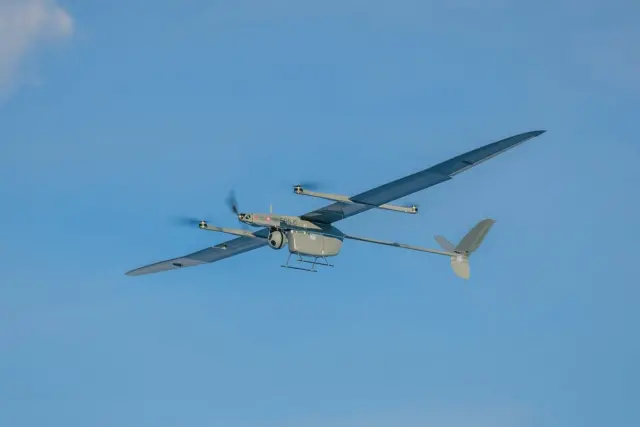
On a Saturday night, unidentified attackers tried to set fire to the Viimsi facility of Threod Systems, a manufacturer of unmanned aircraft just outside Tallinn. The company's security measures held, the blaze never really got going, and Estonian police detained eight people shortly afterwards. A getaway car, an Opel, was found burned nearby. Five of the eight were later arrested, and Estonia opened the case under a unusually serious provision of its penal code covering acts by foreign intelligence officers — carrying up to 15 years in prison. Officials immediately attributed the plot to Russia's military intelligence, the GRU.
The details that emerged are striking. All eight suspects are residents of Latvia, four of them Latvian citizens, several with criminal records — part of a pattern where Russia recruits disposable agents from organised crime circles for sabotage across Europe. Latvia's State Security Service, the VDD, had tipped off Estonia in advance and raided nine premises at home, seizing explosive devices, pyrotechnics and ammunition. Latvia's prime minister, Andris Kulbergs, publicly confirmed the suspects' backgrounds.
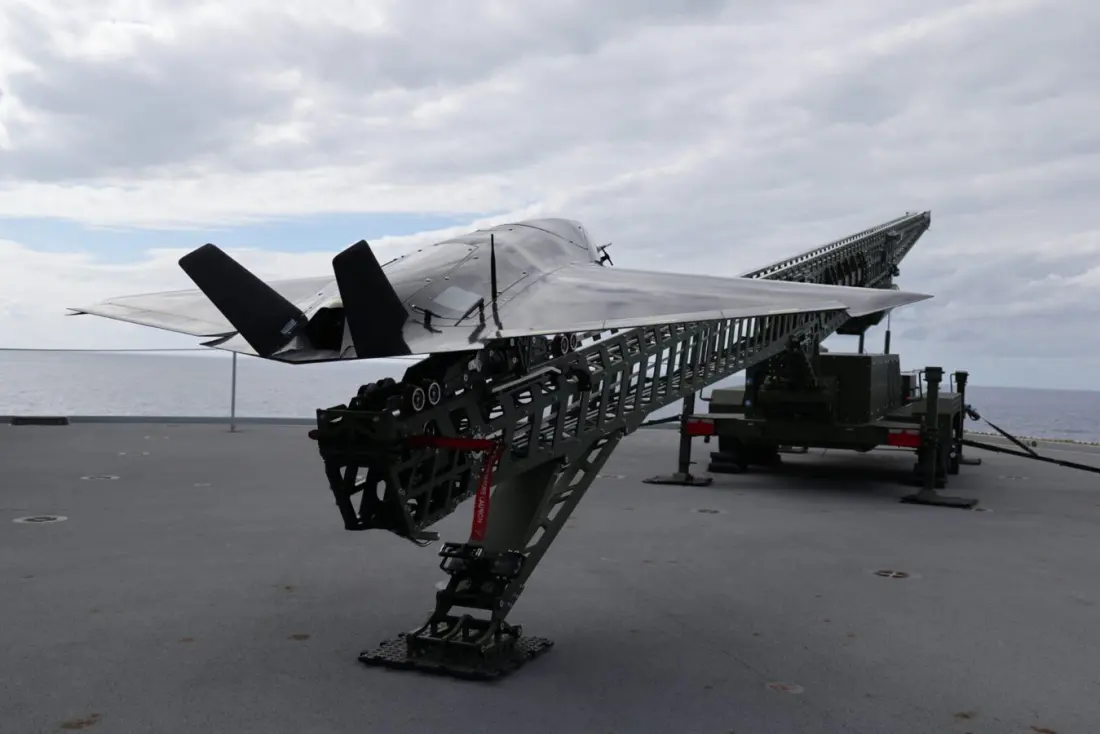
Estonia's Internal Security Service, Kapo, says Russia has around ten specific defence-industry targets in the country. Threod was the second such attack in two months, following an arson attempt at robotics maker Milrem. Other recent incidents involving Latvian recruits include a drone attack in Leipzig and trespassing near an RAF base in the UK.
The political fallout was swift. Prime Minister Kristen Michal announced Estonia would close its remaining road border crossings with Russia — including Narva, where queues of travellers routinely stack up on both sides — and said he favours making the closure permanent, with the government set to formalise the decision.
For travellers, that's the practical headline. The Narva crossing is already closed to most traffic and anyone who had planned a Baltic trip routing into Russia will need to rethink entirely. There's a security dimension too: European intelligence says FSB officers routinely question and search travellers crossing into Russia, taking their phones, and have lately been asking pointed questions about defence-industry executives — raising fears of assassination plots against Europe's military industry leadership. Anyone travelling to Russia with professional ties to defence, aerospace or dual-use technology should assume their devices and conversations will be of intelligence interest.
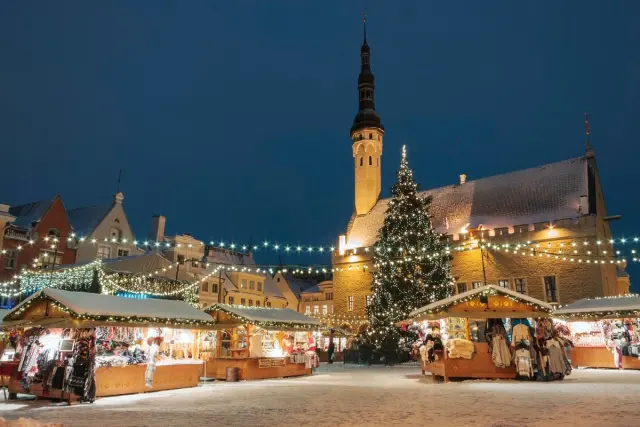
The brighter note in all this: every sabotage operation on Estonian soil so far has been disrupted, and the perpetrators caught, thanks to Baltic counter-intelligence cooperation. For visitors to Tallinn and the Estonian coast, daily life continues normally — the Threod site sits in an industrial area near Viimsi, well away from the old town, and there's no advice against travel within Estonia itself.