Affluent travellers now spend more on retail abroad than almost anything else — in some markets, more than half of affluent credit card spending overseas goes on shopping, according to Visa's 2025 Global Travel Insight report. Add Euromonitor's finding that experiential luxury grew 8% year-on-year in 2025 to a $103 billion market, and a picture emerges: shopping is no longer a transaction tacked onto a trip, but a form of cultural discovery in its own right.
That's the argument behind a partnership between travel advisor network Virtuoso and The Bicester Collection, whose luxury outlet villages sit outside cities like London, Barcelona, Milan, New York and Shanghai. Virtuoso CEO Matthew Upchurch admits he was once sceptical about putting shopping on a luxury itinerary — until he saw travellers arrive expecting a day of retail and leave having found a local designer, a craft community, or an entirely new side of a destination.
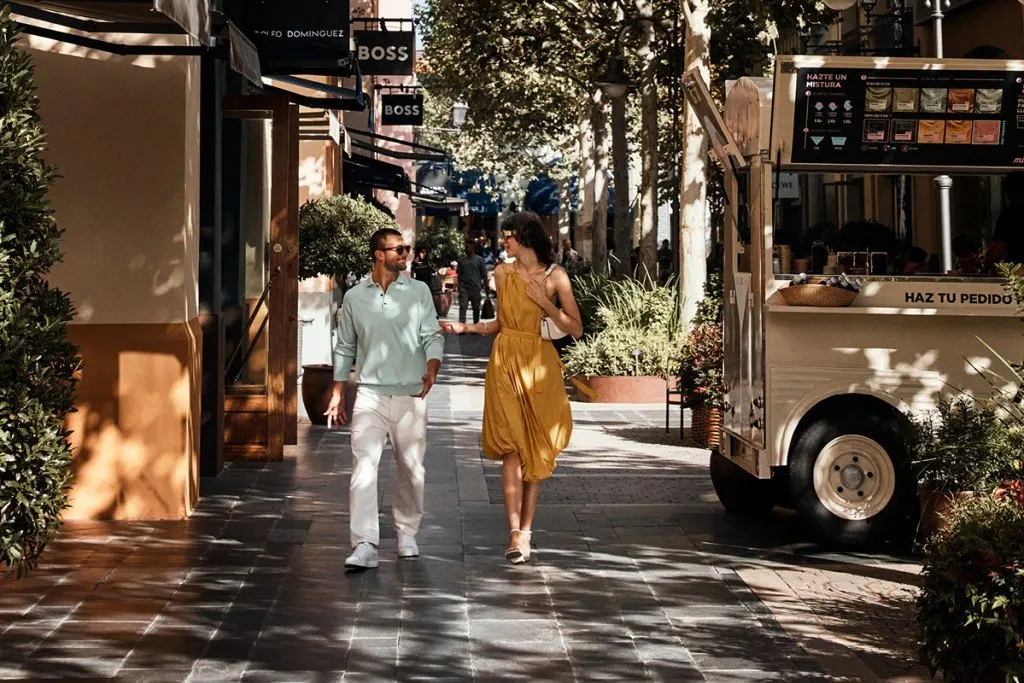
The villages are leaning hard into hospitality rather than simple discount shopping. The Bicester Collection has built a service training programme with Switzerland's Ecole hôtelière de Lausanne, inspired by restaurateur Will Guidara's 'unreasonable hospitality' philosophy, and offers private shopping suites called The Apartment, complete with personal shoppers and concierges. Each village trades on its setting: La Roca Village outside Barcelona draws on Catalan culture, Fidenza Village near Milan nods to the region's Verdi and opera heritage, and Belmont Park Village outside New York pairs with concerts, Islanders games and the rebuilt Belmont Park racecourse. Shanghai Village added 57 boutiques in April to serve a growing VIP clientele.
The numbers suggest it's working. The company's highest-spending guests in Europe increased their spending 17% year over year in 2025, and registrations for its hands-free shopping service — purchases collected and delivered to your hotel at the end of the day — jumped 40%.
There's a lesson here for the wider industry, and for travellers planning trips. The villages were deliberately sited outside city cores so tourist spending reaches smaller towns, supporting hotels, restaurants and local businesses. Meanwhile, Virtuoso's Upchurch predicts that as AI gets better at generating itineraries, wealthy travellers will increasingly prize genuinely human judgment — the advisor who knows whether you want a packed schedule or empty afternoons. His test for any itinerary item: does it create real discovery and connection, or is it just a default?
For travellers, the takeaway is practical. If you dismiss outlet villages as glorified malls, you may be missing some of the best-curated introductions to a region's design and craft scene — plus perks like private appointments, stylists and local designer showcases you'd struggle to arrange solo. The industry may have underestimated shopping tourism for years, but the most valuable travellers are already spending accordingly.