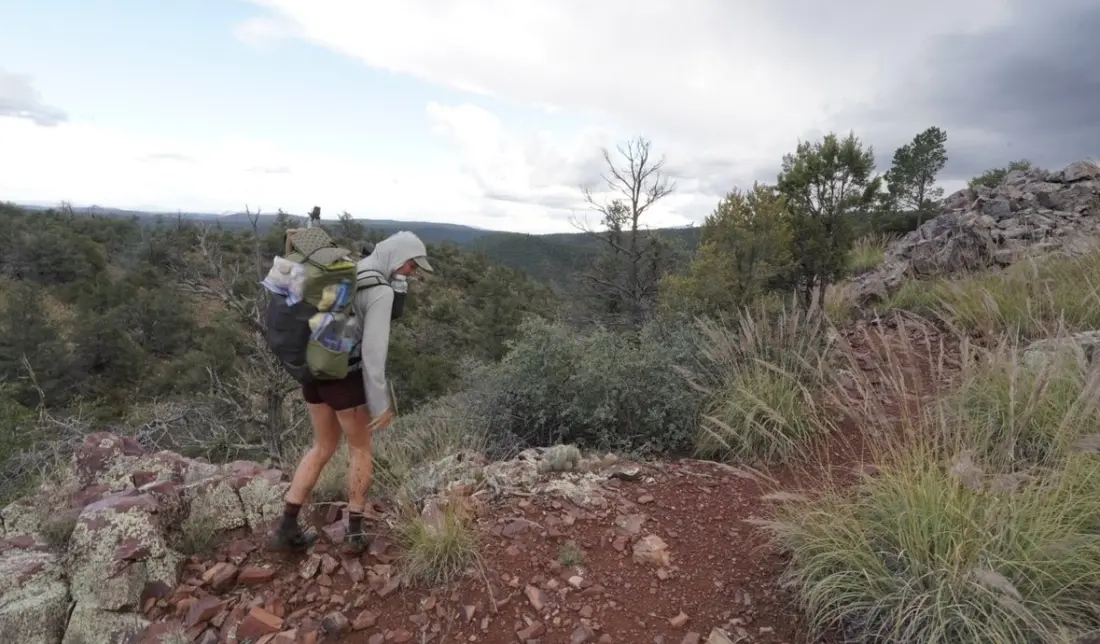
Fresh bear tracks stamped into glowing red clay mud, river fords that soak your shoes before lunch, and a sunset over prickly pear cactus — that's a recent day on the Arizona Trail for one long-distance hiker, whose trail diary offers a vivid snapshot of what the state's wilderness looks like right now.
The day started before sunrise, packing up a tent beside the trail and walking in the dark. But the real highlight came with daylight: after days of rain, the trail was a canvas of deep footprints. A bear had passed through recently, leaving clear prints in the saturated clay — including large back-paw marks the hiker followed for miles. Locals had told them the red clay rarely looks this vibrant; heavy rains have deepened the colour and left the surrounding pines and shrubs unusually lush and green.
The route wound past jagged, chimney-shaped rock formations and several road crossings, where the hiker met trail-maintenance volunteers scouting damage from rain and flash flooding. An entire stretch of trail can wash away in a single storm, and fresh rockfall was visible in multiple spots — a good reminder that Arizona's trails change quickly during wet weather.
Weather stayed dramatic all day. Dark clouds rolled in around late morning and a storm skirted past, drenching someone nearby while the hikers escaped with a sprinkle. By evening the trail turned rocky and cactus-lined as they entered the Mazatzal Wilderness in Tonto National Forest — beautiful, but tricky for finding a flat tent spot. They eventually settled on a lumpy patch just off the trail and logged 31 miles for the day. Along the way: two river crossings (wet shoes unavoidable), another set of deep bear prints after 5pm holding standing water, and autumn foliage in greens, yellows, oranges and reds that reminded the hiker of Colorado.
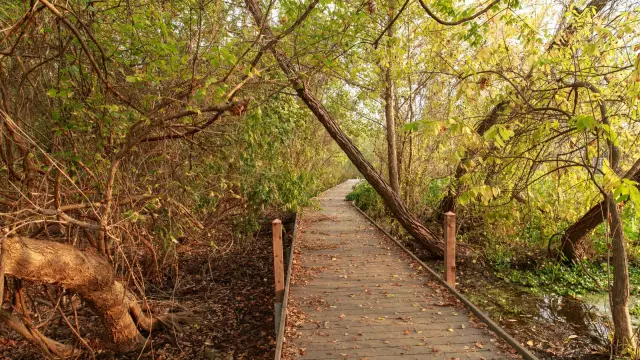
Why should a traveller care? Because this is a rare window on the Arizona Trail that most visitors never see. The 800-mile route is usually associated with desert heat and dust, but after seasonal rains it transforms — vivid clay, swollen streams, wildflowers and cactus in bloom, and abundant wildlife sign. If you're planning a section hike or a multi-day trek here, the diary also carries practical lessons: pack rain gear even when the forecast is clear, expect muddy trails and possible washouts, camp off-trail at night (trails double as animal highways after dark), and budget extra time for flooded crossings rather than risking a slip — the author learned that the hard way on the Pacific Crest Trail, breaking two fingers while trying to keep their feet dry.
For day hikers, the Mazatzal Wilderness and the trailheads and highway crossings around Tonto National Forest offer easy access to this same scenery without committing to a thru-hike. Go with sturdy footwear you don't mind getting wet, and keep an eye out — you may well be walking in a bear's footsteps, literally.