A 2,190-mile walk takes about six months, most of it cold, wet and exhausting. That's exactly what one American engineer has signed up for, and his explanation of why is a refreshingly honest read for anyone who's ever toyed with the idea of a long-distance hike.
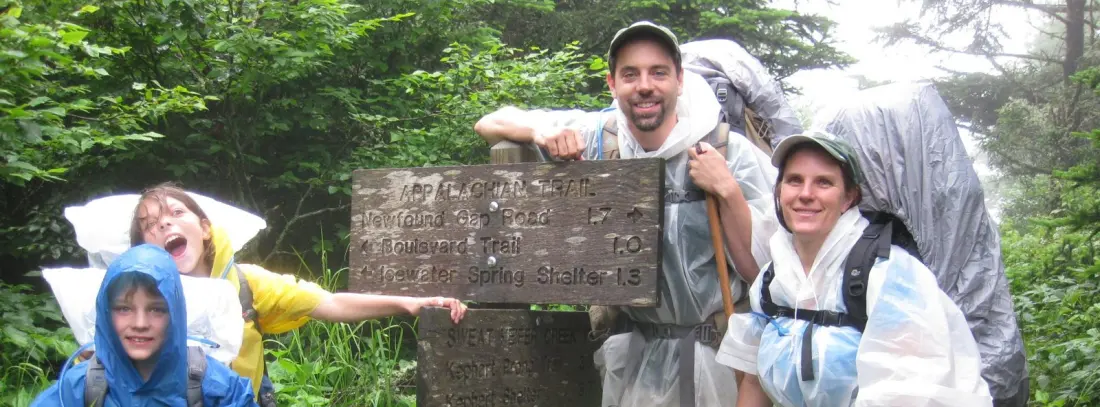
Writing on The Trek, the would-be thru-hiker traces his obsession back to a family camping trip roughly 14 years ago. He and his wife were keeping holidays cheap with National Park trips, and a chance sighting of a young couple backpacking with small children reminded them of pre-kids hiking trips of their own. The following year they took their own kids onto a short section of the Appalachian Trail in the Great Smoky Mountains, complete with ponchos packed 'in case it rains'. It then rained for three days before they set off and three days on the trail, forcing a crash course in food planning, footwear, water treatment and — above all — raingear.
The trip might have ended there, except his daughter pointed out the trail sign describing the full route. His first reaction: nobody could possibly walk that far, and the food alone would weigh hundreds of pounds. That dismissal turned into research, and the research into a plan. Resupplying in towns every few days made the logistics workable. A water filter would replace hours spent boiling water. Lighter gear would make the miles survivable. Somewhere along the way, he fell in love with the idea.
His reasoning cuts through the usual thru-hiker mythology. It's not an escape from family or career — he likes both — and he has no overdue parking tickets to flee. It's not even purely about nature or decluttering his life. It's the want of an adventure within reach of a middle-aged desk worker: something tough enough to remember fondly later, ending at Katahdin in Maine with new friends and good stories. The journey itself is the destination.
Why does this matter to a traveller? Because the Appalachian Trail is one of the few 'big' adventures that ordinary people — not athletes — complete every year, and the mental barriers are usually bigger than the practical ones. Food can be bought along the way. Water can be filtered. Gear can be rented or bought used. And you don't have to commit to six months: section hiking a state or two, or a multi-day stretch in the Smokies or Shenandoahs, gives you a taste of the famous 'green tunnel' without quitting your job.