A hiker restarts an Appalachian Trail section hike at Fontana Dam, the gateway to Great Smoky Mountains National Park, and finds the ridge line transformed by a fresh dump of snow. This account covers the first stretch of a planned 72-mile, four-day crossing of the park — 18,209 feet of climbing packed into some of the toughest terrain on the entire 2,190-mile trail.
The writer had bailed off trail five days earlier when an arctic cold front pushed overnight temperatures below zero. Once the worst of it passed, they were dropped back at Fontana Dam in North Carolina with temperatures barely reaching the twenties and snow blanketing the high country. Packing for cold in an ultralight style meant travelling light and feeling it — a trade-off any long-distance hiker will recognise.
Day one's target was Russell Field, 13 miles away with a punishing 4,600 feet of ascent. The opening 3.5 miles climb 2,200 feet to Shuckstack, a fire-tower summit that is a rite of passage for northbound hikers. Despite a 10am start, deep snow and eight days of food on their back, the writer averaged around 2mph and reached Molly's Ridge by early afternoon, passing a stream of thru-hikers along the way — including one attempting a 90-day, Springer-to-Katahdin dash with a 30-mile day planned. No thanks, says the author.
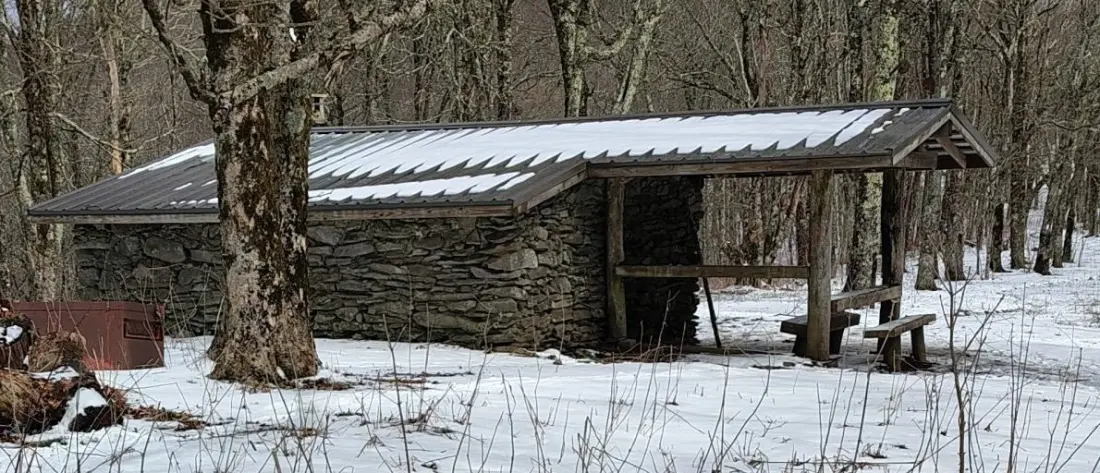
What makes the piece more than a trip log is the mindset it captures. The hiker describes switching into "trail Buddha mode" — a walking meditation that means leaving the phone off, both to preserve battery for a planned 10-day stretch and to embrace the park's famously protected solitude. The Great Smokies are a UNESCO biosphere reserve, and in winter you get that wildness almost to yourself: fresh snow weighing down rhododendron leaves, cold overcast skies, and quiet shelters.
The logistics are worth noting for anyone eyeing a similar trip. Resupply strategy is everything: the plan called for seven days of food to reach Standing Bear Farm hostel on the far side of the park, with a fallback of scavenging expired Pop-Tarts there before the next resupply in Hot Springs, North Carolina. Winter hikers also need to reckon with the Smokies' notorious weather — the same park can deliver 70-degree spring days and sub-zero fronts within a week, and its high ridges hold snow long after lowlands thaw.
For travellers, this is a good window into what a winter or early-spring Smokies trek actually looks like: hard climbs, empty trail, real cold and a rare kind of quiet. If you'd rather sample it than thru-hike it, the Fontana Dam to Shuckstack climb makes a solid day hike, and the park's front-country side offers plenty for less ambitious visitors.