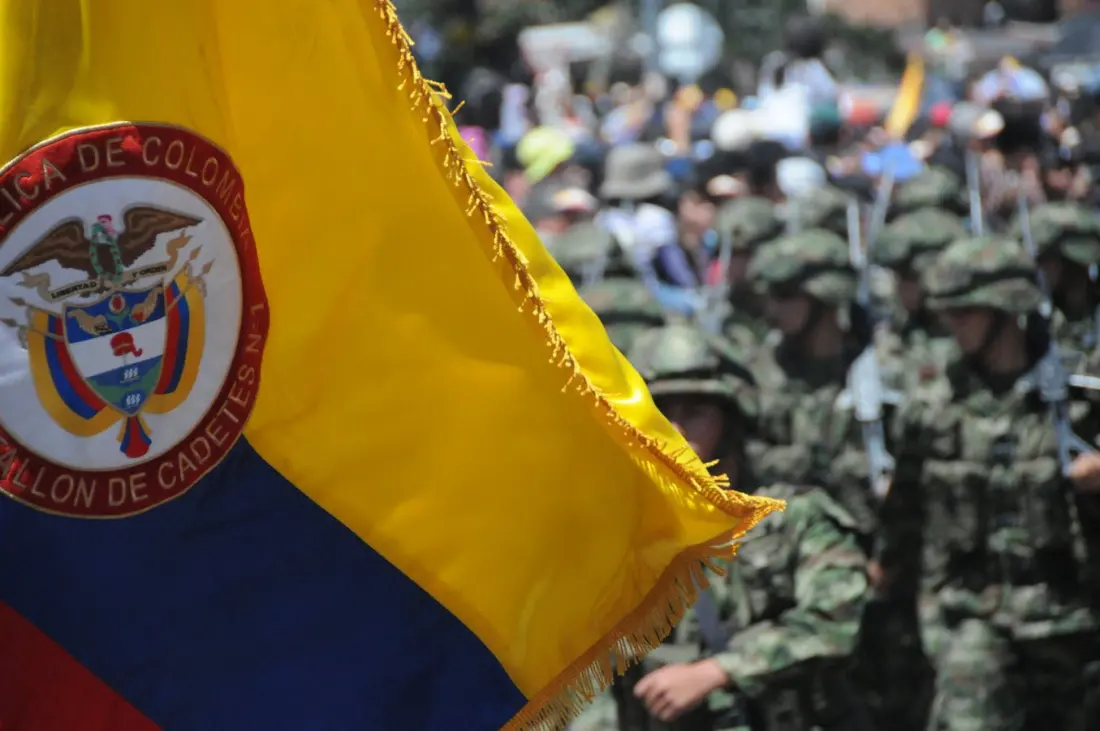
Colombia's president has ordered the army into the streets of Cúcuta, a border city of roughly 700,000 people in Norte de Santander, and is weighing a similar move for parts of southern Bogotá. For anyone planning a trip to Colombia, it's worth understanding what's actually happening — and what it says about security in the country right now.
President Abelardo de la Espriella announced the temporary deployment on October 29, days after a former city official, Miguel Castellanos, was assassinated and a bomb exploded at a DIAN tax office in Cúcuta, injuring seven people. The region sits on the Venezuelan border and is an operating zone for the ELN guerrilla group and the Gulf Clan criminal network. From November 3, the deployment is backed by two wider campaigns — Esparta and the Urban Security Operations Bloc (BOSUR) — aimed at dismantling criminal groups and cutting off their financing.
So what does "militarizing" a city actually involve? Not martial law. Soldiers don't replace the police; they support them with patrols, checkpoints and joint operations against criminal organizations. The National Police handles everyday public order, while the military's constitutional role is national defence — its urban presence is framed as exceptional, temporary support. In Bogotá, the proposal covers only the Sumapaz area and the corridor to the southern Usme district, and Mayor Carlos Fernando Galan has pushed back, insisting police duties shouldn't be handed to soldiers.
History suggests mixed results. Colombia has done this before: Operation Orion in Medellín's Comuna 13 in 2002 deployed over 1,500 security personnel and drove out guerrilla militias, but was later linked by the National Center for Historical Memory to civilian deaths and disappearances — and paramilitaries simply moved into the vacated territory. More recently, Plan Fortaleza in Cali (2019) put soldiers into high-crime neighbourhoods repeatedly; a 2023 Brown University and Universidad de los Andes study in Nature Human Behaviour found no significant crime reduction during the operation, an increase in reports afterwards, and indications of human rights abuses.
For travellers, the practical takeaway is this: Cúcuta and the Venezuelan border area were already off most holiday itineraries, and foreign travel advisories have long warned against non-essential travel to Norte de Santander. The mainstream tourist routes — Bogotá, Medellín, Cartagena, the coffee region — are unaffected for now, though southern Bogotá's outlying districts are areas most visitors have little reason to wander into anyway. If you're travelling in Colombia in the coming weeks, expect a heavier military and police presence, more checkpoints and possible ID checks in some cities. Carry your passport, follow local authorities' guidance, and keep an eye on your embassy's advisories.
The bigger question — whether soldiers on city streets deliver lasting security or just a visible show of force — will be answered over the coming months, and it's one that shapes how safe Colombia feels for visitors long after this particular deployment ends.