Sleeping under canvas used to mean one thing: a safari in Africa. A wave of new eco-conscious tented camps across Southeast Asia is rewriting that script, trading the region's familiar pool-and-lobby resort formula for small-scale camps with a lighter footprint and a closer connection to the wild places they sit in. Three projects — one open in Vietnam, one open in Cambodia, one coming soon in Thailand — show where this trend is heading.
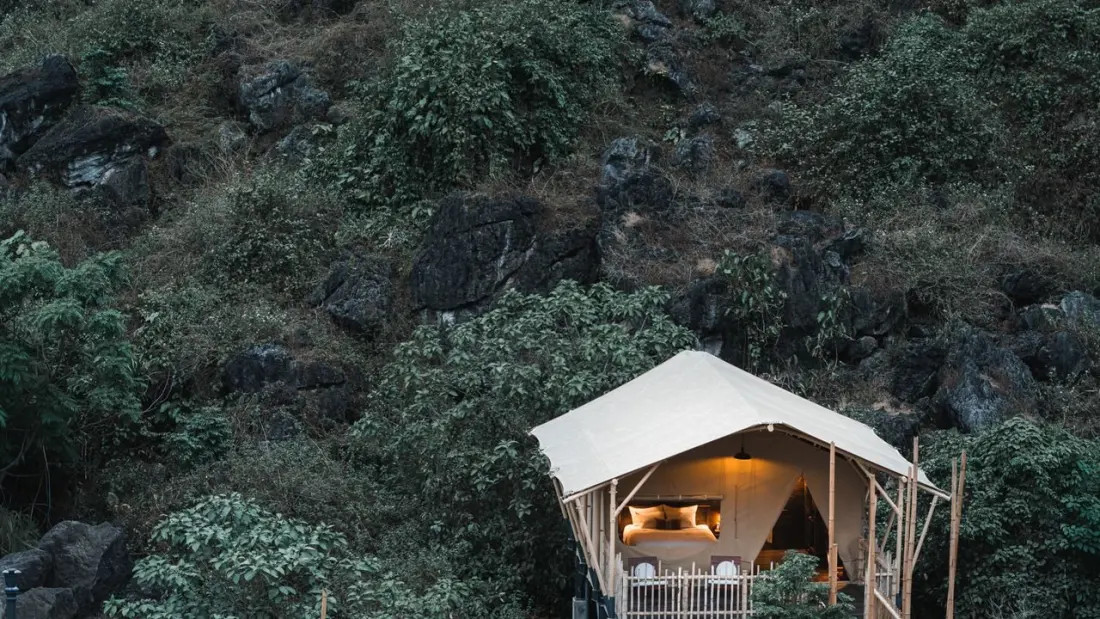
First up is Auko Eco Wellness Lodges, recently opened beneath the camel-hump limestone karsts of Phong Nha–Ké Bàng National Park in central Vietnam, home to the planet's largest cave system. The camp spreads 30 canvas suites across its plot in clusters designed to leave most of the native plant cover untouched. The suites aren't roughing it, either: expect air-conditioning and open-air bathtubs, with structures built from local bamboo and timber reclaimed from old fishing boats. After a day of mud-caked hiking and cave scrambles, guests can wind down with riverside yoga, hydrotherapy, and sound-healing sessions held in an on-site meditation cave.
In Cambodia, Siempang Forest Lodge opened last fall with 15 safari-style tents on stilted decks inside a 330,577-acre wildlife sanctuary of the same name. This one is all about conservation. Guests can head out with local rangers on forest walks and birding trips to look for critically endangered species — wild banteng (a type of cattle), Siamese crocodiles, and the giant ibis — while seeing up close how tourism revenue helps protect one of Cambodia's last big tracts of wilderness. There's still a pool, a simple spa, and a properly stocked bar for sundowners, with the calls of the country's most elusive birds as background noise.
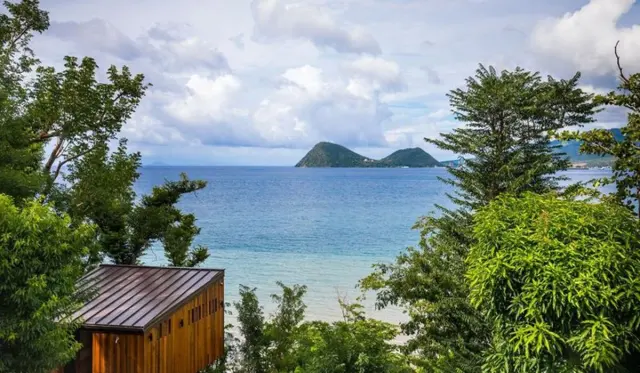
Thailand's entry, Kaia Koh Phangan, is yet to open, but its brief is clear. The island long known for Full Moon Parties has been shifting toward quieter, more mindful holidays, and Kaia leans into that from a palm-covered peninsula on the quiet northeast coast. Plans call for 35 tented suites furnished with reclaimed teak floorboards and upcycled decor, communal meals built on homegrown produce cooked over open fire, and activities like ceramic workshops, guided foraging, and breathwork sessions run with local creatives.
For travellers, these camps hit a sweet spot: the intimacy and low-impact design of a safari camp, but with caves, jungle, and beaches rather than game drives. They suit anyone who wants adventure and wellness rolled together without the anonymity of a big resort — and in the case of Siempang, the chance to put money behind genuine conservation work. Watch this space; if these three are the start, canvas may become Southeast Asia's new signature stay.
Story via Condé Nast Traveler.